Recent research highlights the role of creatine in enhancing performance for female athletes, challenging longstanding misconceptions about its effects.

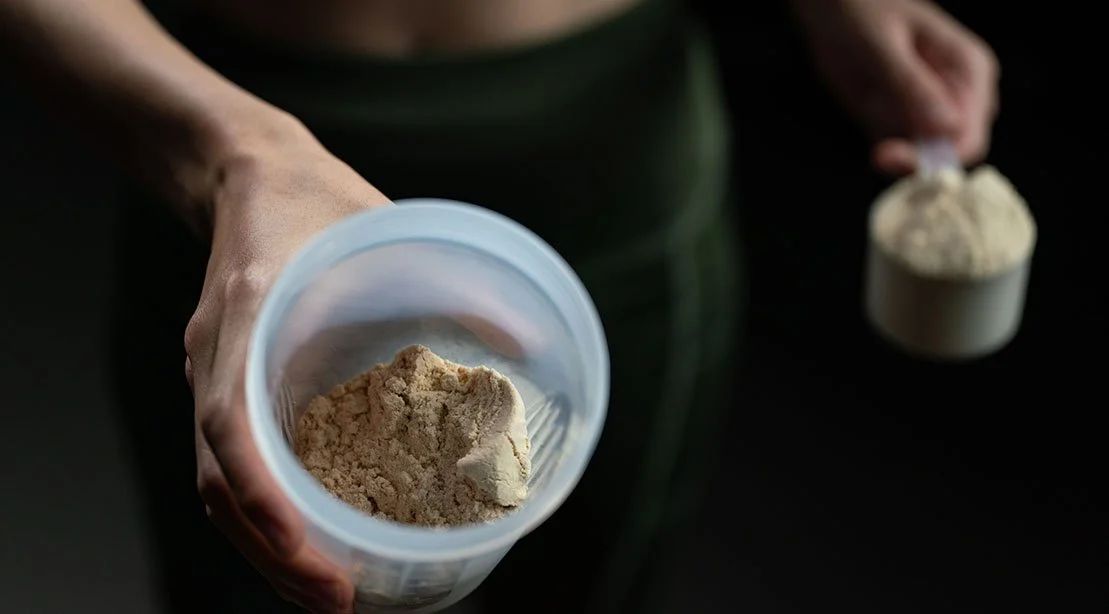
Creatine has lived in the shadows of dietary supplements for three decades, yet it stands as one of the most rigorously studied substances available. Unlike flashy proprietary blends and exotic compounds, creatine monohydrate is a straightforward white powder that has withstood the test of numerous fitness trends. As more research emerges about its effectiveness, particularly among women, we're starting to see a shift in perceptions.
Shifting Perspectives on Creatine
Despite its benefits, women still underutilize creatine, although this may be shifting. A recent systematic review and meta-analysis published on September 4 examined creatine's effects specifically on women engaged in exercise or structured training. The researchers assessed over 13,000 records and narrowed it down to 34 studies involving 692 female participants, with 21 studies providing data for the main analysis. This level of scrutiny reflects a growing interest in understanding how traditional supplements might fit into women's fitness regimens.
Evaluating the Evidence: Performance and Body Composition
The findings, while not earth-shattering, are noteworthy. Creatine demonstrated a modest yet statistically significant benefit across performance and body composition, with effects measuring approximately 0.30 standardized units for performance and around 0.24 for body composition. In simpler terms, it seems to be useful but isn’t a magic solution. This raises an interesting point about expectations; many athletes expect immediate and drastic changes from supplementation, but the reality is often less exhilarating.

Creatine: Weight Gain Myths Debunked
The fitness industry often promotes the idea that supplements must deliver dramatic transformations overnight, but real ergogenic aids serve to enhance performance, which then enhances results through consistent training effort. Creatine works on the physiological level, as it aids in regenerating ATP during short bursts of high-intensity effort. Its performance benefits generally become apparent after repeated high-intensity activities rather than in endurance contexts. The new analysis included a diverse group of female athletes across various sports—soccer, swimming, volleyball, and more. Some studies indicated improvements in strength, jumping, and overall lean mass, while others noted minimal effects. This inconsistency points to the importance of context and individual variability in response to supplementation.
It’s crucial to maintain a balanced view. The researchers rated the overall evidence as low quality due to variances in study populations, dosing, and methods. They concluded that while creatine might yield small enhancements in strength and performance for women, the evidence isn’t strong enough to make bold claims across all sports. This cautionary take reflects the current state of research; it’s not just about what creatine can do, but also about who it works for and under what circumstances.
Gains for Postmenopausal Women
Interestingly, another meta-analysis specifically targeted postmenopausal women. It reviewed seven randomized trials with 608 participants, showing a slight average increase in lean mass and improved leg-press strength linked to creatine. These benefits were most pronounced at at least five grams per day combined with resistance training. This is significant. As women age, particularly after menopause, maintaining muscle mass and strength becomes increasingly critical to overall health and mobility.
Understanding Creatine’s Effects on Women
One recurring theme in the research is straightforward: creatine paired with inactivity won’t yield benefits like creatine paired with physical training. The myth that creatine leads to unwanted weight gain or a bulky physique is particularly pervasive among women. Yes, it can cause some water retention in muscles, but that’s a far cry from bulkiness—this misconception is a typical fitness industry exaggeration. And yet, this myth has been so deeply entrenched that it continues to prevent many women from trying creatine, thereby limiting their potential training outcomes.
Women using five grams of creatine are not suddenly going to find themselves in an entirely different physique; just as one can’t become a great pianist merely by spending a night in a hotel. As scientific literature increasingly addresses women’s responses to creatine, the results are clear, albeit less sensational: creatine is not some miracle supplement but rather a straightforward, inexpensive option supported by a substantial body of research. Some might call it an underdog in the supplement world. And this is the part most people overlook: the cumulative benefits of consistent, moderate use can lead to tangible improvements over time.
In an industry often rife with exaggerated claims, creatine monohydrate stands out as a well-researched substance that actually delivers results. It won’t replace fundamental principles like training and nutrition, but it can certainly play a supportive role in a rigorous fitness regimen. If you’re working in this space, understanding the nuanced effects of creatine on different populations can help steer more effective training protocols.
Implications and Future Outlook
The increasing body of research around creatine, particularly with women and specific populations like postmenopausal women, suggests that as perceptions shift, it could lead to broader acceptance and usage. This transition might not just improve individual athletic performance but could also enhance general health outcomes for women, an aspect that remains critically under-discussed in health and fitness. Furthermore, as awareness grows, manufacturers may need to revise their marketing strategies to appeal to women who have historically been hesitant about creatine.
As more studies emerge that explore not just performance, but the unique physiological responses female bodies have to supplementation, the future of creatine in women's fitness seems poised for growth. It's certainly a supplement deserving more visibility, and you might find that its understated role in training could lead to noticeable gains if paired with proper exercise regimes.


Discussion
Sign in to join the discussion.