The hip adduction machine, often dismissed as ineffective, offers significant benefits for leg strength and injury prevention when used correctly.
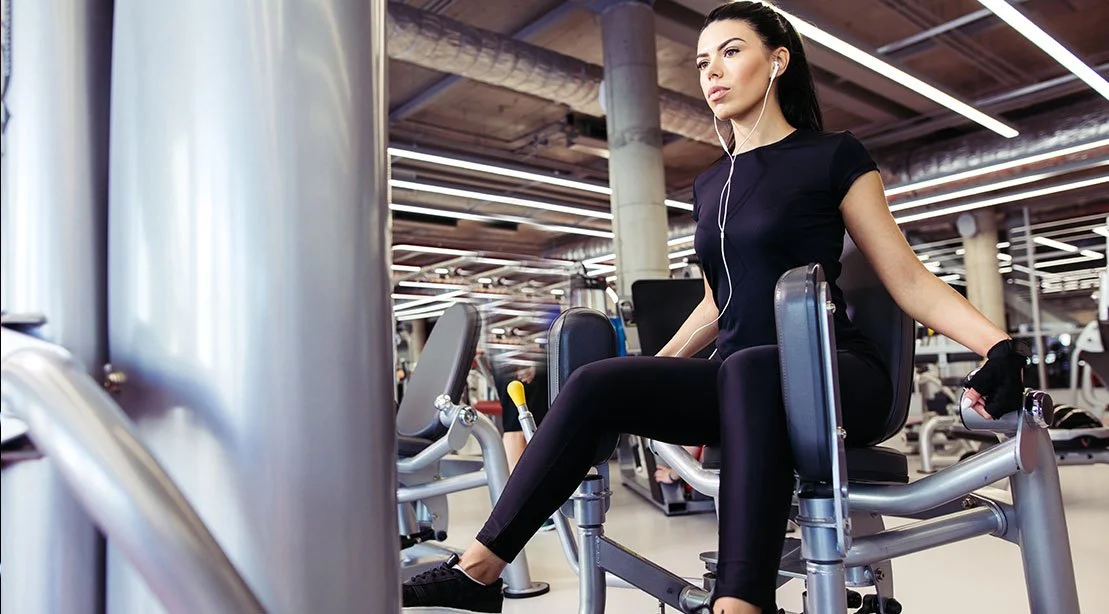
The hip adduction machine, often humorously referred to as the yes/no machine, has somehow acquired a reputation as the gym's underdog. Dismissed by many lifters, it's frequently categorized as an auxiliary tool with little merit beyond aiding rehabilitation or targeting the inner thighs. This machine deserves a re-examination, especially in light of its potential to enhance leg strength and prevent injuries.
Understanding the Adductor Muscle Group
Many in the fitness community sum up the adductor muscles as merely the "inner thigh" muscles, but that's a significant oversimplification. Among the adductors, the adductor magnus stands out for its role in hip extension, which is often overlooked. By utilizing the adduction machine, lifters can effectively target this often-neglected muscle group, adding valuable work to their lower-body training routines.
The Criticism Surrounding the Adductor Machine
The adductor machine often faces scrutiny within gym culture, where more demanding exercises tend to dominate discussions about effectiveness. Critics argue that the isolated movements on the machine lack the dynamic challenges found in free weight training and compound lifts. Moreover, it's often deemed non-functional—exercises performed on it do not mimic real-life movements.
This perception overlooks the significant benefits of acquiring specialized strength. Physical therapist Dan Swinscoe highlights that, given the size and functional importance of the adductor muscles, consistently training them holds tangible benefits. It's hard to ignore the considerable strength these muscles contribute to overall lower-body performance.
The Broader Context of Adductor Training
Critics also bring up a valid point: many standard lifts, such as squats and deadlifts, indirectly engage the adductors. This raises the question of whether dedicated training is necessary. However, research suggests a compelling need for focused adductor work. For instance, a study found that a targeted adductor strengthening program significantly reduced the incidence of groin injuries among male soccer players.
This information points to the conclusion that while compound movements are essential, complementary exercises like those performed on the adduction machine can significantly enhance strength and reduce injury risk.
Benefits of the Hip Adduction Machine
Despite its reputation, the hip adduction machine boasts several advantages that can bolster your leg training routine:
- Targeted Muscle Engagement: This machine provides a straightforward means to focus specifically on the adductor muscles, which can be beneficial for those who understand and appreciate the necessity of targeted training.
- Increased Training Volume: Given the stress high-volume compound lifts place on the body, the adduction machine allows for additional volume without significantly impacting recovery. This makes it an asset for individuals seeking muscle hypertrophy.
- Support for Injury Prevention: While research supports the effectiveness of various adductor exercises, using the machine can be an integral piece of a well-rounded injury prevention strategy.
- Simplicity and Progression: The machine facilitates a straightforward approach to progressive overload, allowing for easy adjustments in weight and rep range as strength improves.
Who Should Incorporate the Adductor Machine?
Identifying the ideal candidates for the hip adduction machine is essential:
- Bodybuilders or physique enthusiasts looking to enhance their thigh development.
- Athletes seeking to improve adductor strength in conjunction with a dynamic and comprehensive leg workout.
- Lifters needing extra volume without the additional fatigue from more taxing lower-body lifts.
Who Might Want to Avoid It?
- Anyone currently dealing with acute groin discomfort or adductor strains should skip the machine until they’re symptom-free.
- Lifters experiencing pain or discomfort during use should reassess their form or substitute the exercise.
- Those who attempt to push excessive range of motion, risking injury for the sake of volume, should be cautious.
- Individuals looking for a substitute for more complex adductor engagement exercises, like sprinting or lunging, should consider more dynamic alternatives.
Evaluating Risks Versus Benefits
The hip adduction machine generally falls into a low-to-moderate risk and moderate benefit category. Its stable and controlled environment significantly reduces the technical risks associated with free-weight lifts. However, lifters must approach it judiciously, as the temptation to load excessively can lead to injury.
The capability of the adductor machine to isolate the adductors without incurring systemic fatigue is its strength. It becomes a valuable tool in a training arsenal aimed at hypertrophy or overall leg strength, provided it’s integrated thoughtfully alongside more functional movement patterns.
Integrating the Adductor Machine into Your Training Program
For those considering its inclusion, the hip adduction machine is best employed as an accessory exercise. It should be utilized following major lifts, like squats or deadlifts, to maximize effectiveness.
Sets & Reps: Aim for 2 to 4 sets with 12 to 25 repetitions; higher rep schemes for fewer sets are encouraged.
Frequency: Incorporate 1-2 times weekly for optimal results.
Rest: 90 seconds of recovery between sets is recommended.
When it’s time to progress, begin by increasing the number of reps and then add weight once you can perform all repetitions with good form.
Final Thoughts
The hip adduction machine should not be dismissed outright; rather, it provides a valuable means of training a prominent muscle group that plays a pivotal role in many lower-body activities. Its perceived lack of functional rigor does not diminish its effectiveness in isolating the adductor muscles and supporting leg development.
When integrated into a broader program that includes varied exercises, the hip adduction machine is not just useful; it’s a strategic asset for any lifter focused on achieving comprehensive leg strength and injury resilience. So, next time you're in the gym, don't hesitate to give this much-maligned machine a try—it might be exactly what your lower-body routine needs.


Discussion
Sign in to join the discussion.