Eating processed meat can significantly shorten your lifespan. Substituting it with plant-based options may enhance your longevity.
The impact of dietary choices on health has become a pressing discussion, particularly regarding meat consumption. Research indicates that high intake of processed meats, including items like bacon, sausages, and deli meats, may correlate with serious health risks, leading to over 100,000 deaths annually due to conditions such as heart disease, cancer, and diabetes.
According to the Global Burden of Disease Study, this translates into millions of years of healthy life lost globally. A striking suggestion from the Union of Concerned Scientists proposes that if Americans reduced their processed meat intake to just one ounce per week, thousands of cancer-related deaths could be prevented each year. However, understanding how these figures translate into personal health can be complex.
Linking Diet to Longevity: The NutriRECS Perspective
Recent analyses of the NutriRECS meat papers, published in the Annals of Internal Medicine, present an interesting contradiction. While the panel itself dismissed its findings, subsequent evaluations revealed that even modest reductions in red and processed meat consumption are tied to a 13% decrease in the risk of premature mortality. But what does this translate into in practical terms?
To explore this, the concept of microlives emerges as a useful metric. Each microlife equates to 30 minutes of your life expectancy. The average 22-year-old might have around 57 years left, which converts to approximately 1 million half-hours. Therefore, one microlife represents a slight but significant loss of potential lifespan.
Quantifying Life Risks Related to Diet
Everyday behaviors that contribute to health risks can be measured against this unit. For instance, smoking two cigarettes or consuming two pints of strong beer reduce life expectancy by one microlife. If such health-endangering habits seem unacceptable, the same logic should apply to maintaining excess weight—around 11 pounds overweight similarly costs you a microlife.
We can also look at life-extending habits. Research suggests that consuming at least five servings of fruits and vegetables daily can add years to one’s lifespan, with exercise showing an even more compelling return: just 20 minutes can yield an additional hour of life. This metric is particularly valuable for individuals who feel pressed for time; investing 20 minutes can equivalently produce a threefold return in life expectancy benefits.
Meat Consumption and Its Implications
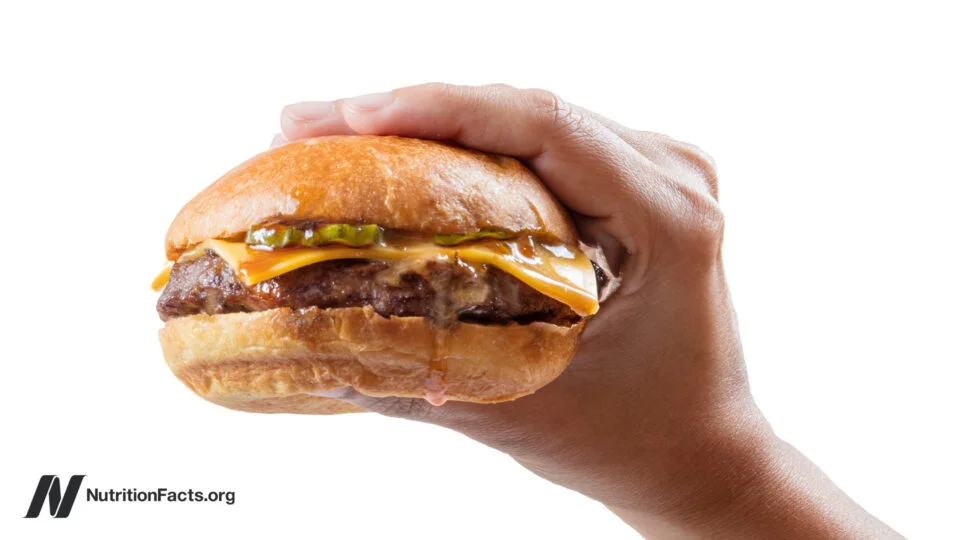
Now, let’s focus on meat specifically. Each hamburger consumed is linked to a reduction of one microlife—effectively taking 30 minutes off your potential lifespan. In a direct comparison, indulging in a hamburger is equivalent to smoking two cigarettes regarding lifespan impact. If the thought of smoking at lunchtime seems ludicrous, perhaps opting for a bean burrito is a wiser alternate.
Processed meats are even more detrimental. For instance, consider two individuals with identical lifestyles, but one consumes about 50 grams of processed meat daily. This habit is estimated to decrease that person’s life by around two years. Conversely, someone who avoids processed meats entirely is not only healthier but also has two additional years to cherish with family and friends.
Day-to-Day Decisions Matter
Another perspective involves daily consumption habits. Eating a sandwich with two slices of processed deli meat can potentially subtract about an hour from one’s life each day. In a world where time feels perpetually scarce, this could mean effectively losing a day’s worth of life on a regular basis based on lunch choices. The implications of these habits accumulate significantly over time.
Furthermore, consuming 50 grams of processed meat daily can effectively increase a person’s “effective age” by two years, elevating their annual mortality risk to that of someone two years older. Such statistics emphasize the reality of how dietary choices shape not just present health but future longevity.
Reinforcing Guidelines for Better Health
To enhance both personal health and public well-being, experts advocate for dietary patterns rich in plant-based foods—minimizing red and processed meats while focusing on fruits, vegetables, whole grains, nuts, and legumes.
Comments from health authorities, such as Dr. Dean Ornish, remind us that evidence supporting a plant-based diet is compelling. His research illustrates that dietary changes can even reverse severe coronary heart disease. As he poignantly notes, vigilance is essential amid conflicting dietary recommendations: “Caveat emptor. Don’t be fooled. Your life may depend on it.”
For those intrigued by assessing risk comparisons through metrics like microlives, additional resources and insights can be found in related educational materials, including videos on the topic of micromorts—representing another perspective on understanding everyday risks on health.
This information culminates in a growing recognition that the choices we make daily—especially regarding diet—hold profound implications for our longevity and quality of life. Every meal is an opportunity; the question is what that opportunity will create for our future.



Discussion
Sign in to join the discussion.