Joseph Ari’el Towne's new book challenges the pursuit of perfection, promoting continuous improvement as a more achievable and beneficial mindset.
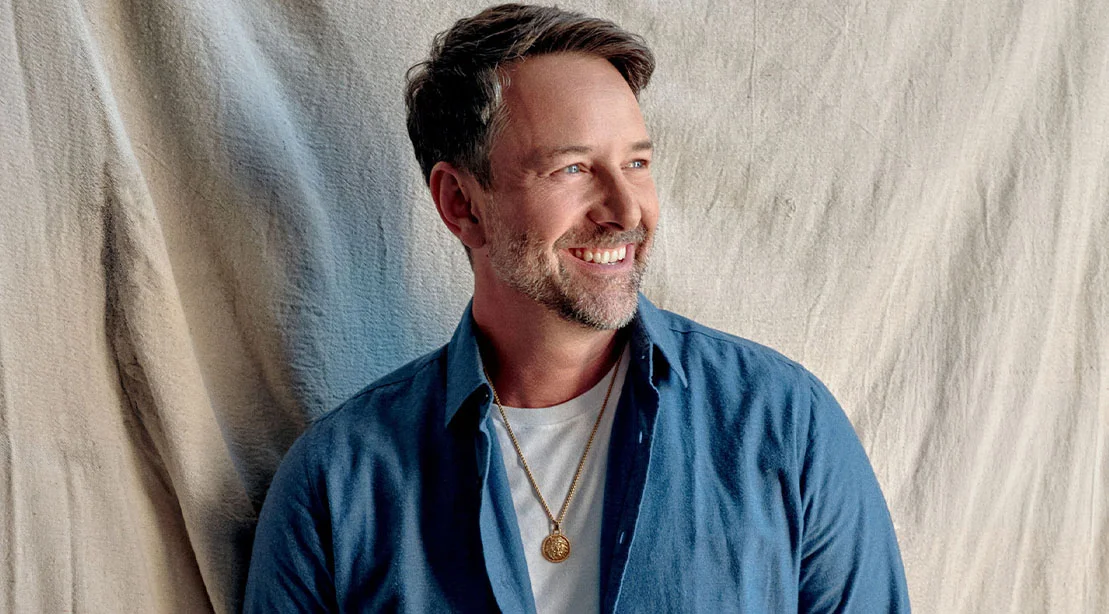
Joseph Ari’el Towne, an established actor, author, and high-performance coach, is set to change the narrative around personal development with his latest book, The Better Mindset: The Art & Science of Getting Better at What Matters Most. With a background that includes working with esteemed creatives and Fortune 500 executives, Towne signifies the shift from a pursuit of perfection to one focusing on gradual, meaningful improvement.
Appearing in films such as Isn’t It Romantic alongside Rebel Wilson, Towne's dedication to wellness extends beyond the silver screen, as he emphasizes the power of mindset in achieving physical and mental improvements. “The notion of being my best self is vague and often misinterpreted,” says Towne. “What we need is a pathway toward becoming better, not just a fleeting idea of ‘best’.”
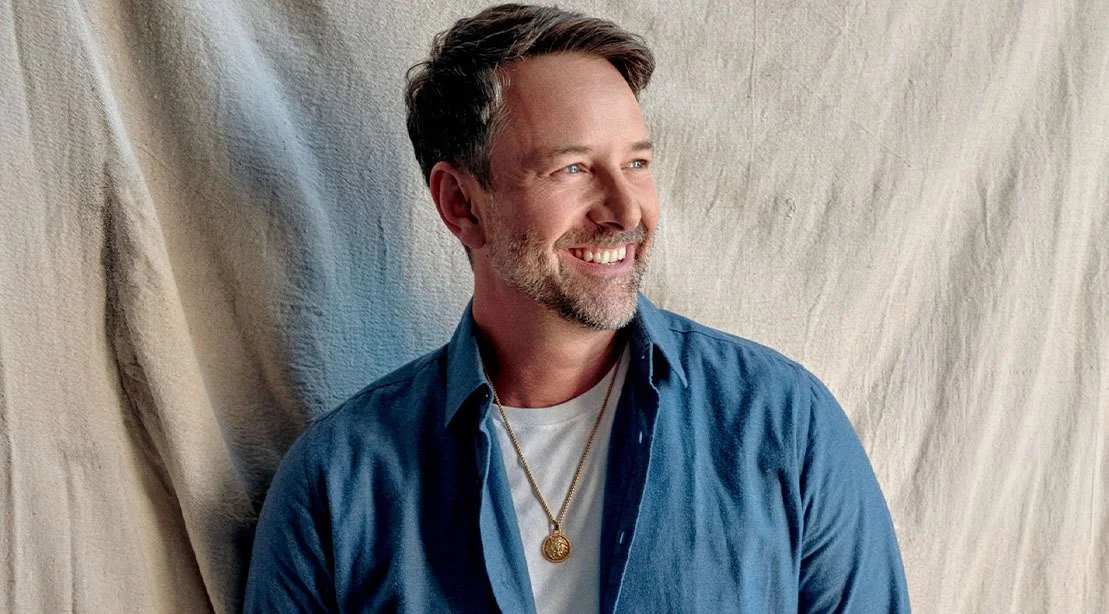
Defining 'Better' vs. 'Best'
So, what’s the distinction between aiming for “better” rather than “best”? Towne clarifies, “Best is an endpoint; better is a journey.” In his discussions on “The Better Mindset Podcast”, he encourages listeners to rethink their approach to personal and professional development. It’s important to strive for improvement without the intimidating pressure associated with lofty ideals.
“Chasing the best can often lead to burnout,” he warns, noting that tangible achievements can seem elusive. Instead, it’s crucial to focus on what can be done each day to foster continuous growth. “Competing against yesterday's self is more constructive than against an ideal that’s often unachievable,” he states.
The Philosophy of Continuous Improvement
Drawing on the Japanese principle of ‘Kaizen’, which means continuous improvement, Towne explains, “Extraordinary change doesn’t happen overnight. It results from incremental progress.” He stresses that small, consistent efforts can lead to substantial transformation over time—an approach that stands in contrast to the common practice of setting overly ambitious goals.
Many people embark on personal transformation journeys with zeal, only to revert to old habits when faced with the enormity of the task. “We often overestimate what we can achieve in a day and underestimate what we can achieve in a month,” Towne remarks, which highlights the perils of all-or-nothing thinking.
Pathways to Embracing 'Better'
Prioritize the journey: Towne advises focusing on the long haul instead of becoming disheartened by social media portrayals of perfection. “Seek out those incremental victories and celebrate them,” he suggests, as these moments of progress provide more value than transient high points.
Keep a record: Towne advocates for tracking one’s progress. “Documenting your journey with tools like food or workout journals increases awareness and accountability,” he asserts. The practice leads to better decision-making and can also enhance mental well-being, adding another layer of benefit to tracking efforts.
Confront challenges: Many shy away from the pursuit of self-betterment due to fear of failure. “It takes courage to adopt new perspectives and to reshape old habits,” Towne reflects. He encourages embracing discomfort as a vital component of growth, emphasizing that overcoming obstacles can lead to greater resilience.
When initiating changes in lifestyle or fitness, Towne believes that facing challenges head-on is essential. “I believe in the balance of support and challenge,” he explains. This duality cultivates an environment conducive to growth.
Towne’s approach, derived from both personal experience and client feedback, illustrates that growth often stems from navigating setbacks. His book includes a preface by notable football analyst Yogi Roth, who resonates with Towne's message about the pursuit of improvement transcending individual status or achievements.
“Not everyone aspires to improve, and that’s okay,” says Towne. “The individuals who genuinely seek to enhance their lives are the ones I want to engage with.” He underscores the importance of creating supportive environments that encourage growth while shedding old, limiting narratives.
“If we shift our focus toward sustainable progress, ‘better’ offers an appealing alternative to ‘best’,” he concludes. Towne emphasizes that the ‘better’ mindset does not depend on external attributes like age, gender, or profession; it centers on commitment to improvement regardless of one’s past.
The Better Mindset: The Art & Science of Getting Better at What Matters Most is currently available for pre-order.



Discussion
Sign in to join the discussion.