The Bikini Competition Beginner’s Guide
Essential information about preparing for your first competition, from stage presence to attire.
Read articleThe Olympia's new Fit Model division aims to embrace a less muscle-focused aesthetic, challenging traditional bodybuilding norms.
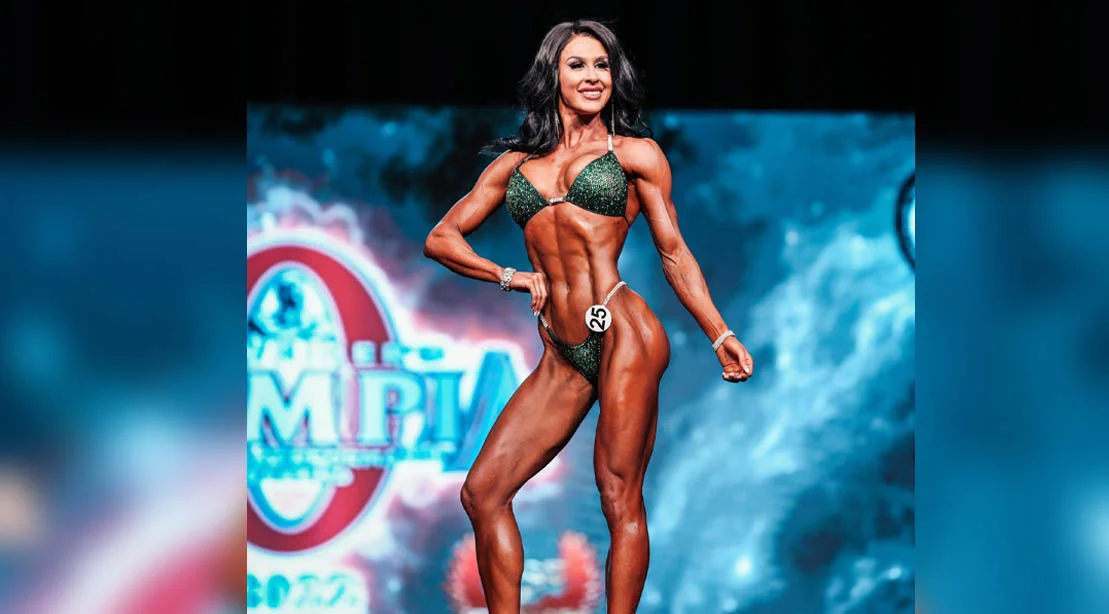
This week, the Olympia in Las Vegas is breaking new ground with the introduction of the Fit Model division, a first for this prestigious event. This marks a significant departure from traditional bodybuilding, beckoning a broader demographic to the stage. The Fit Model division isn't just about muscle but rather presents a change in how physiques are perceived and celebrated, catering to fitness enthusiasts who appreciate a balanced, less extreme physical appearance.
The evolution of the Olympia is noteworthy—what commenced in 1965 with men’s bodybuilding has expanded into twelve distinct categories today, including Bikini, Classic, and now, Fit Model. This evolution signifies a growing recognition of varied physiques and body ideals within the competitive sphere. As societal attitudes shift towards body positivity and acceptance, the Olympia is adapting accordingly, challenging traditional ideals while inviting a broader audience. This shift in focus helps to legitimize different shapes and sizes and encourages participants who may have felt excluded from conventional bodybuilding.
Moreover, as these categories have proliferated, they underscore an interesting paradox: as inclusivity has increased, so has specialization. Each division now caters to unique body types and aesthetics, which speaks to the complexities of beauty standards in fitness culture. Most divisions are influenced by popular fitness trends, and it's interesting to consider how they parallel consumer interests in health and wellness.
The Fit Model division stands out due to the IFBB Pro League’s intentional shift away from the norms of extreme muscularity and rigorous conditioning. This new category debuted at the amateur level in 2025, progressed to professional competitions in 2026, and is now part of the Olympia qualification system as it prepares for its inaugural presentation. A fascinating aspect of this timeline is that it reflects an adaptability within the sport; promoting a more inclusive idea of fitness while staying relevant to modern trends in health and aesthetics.
The guidelines for Fit Model competitors are strikingly clear, emphasizing an aesthetic that includes muscle definition but less than what’s seen in Bikini. Judges will evaluate competitors based on their ability to shape the body without excessive muscular development in areas like legs, glutes, arms, and shoulders. A toned midsection is encouraged, yet extreme detail—like visible glute-ham tie-ins or hamstring separation—is to be avoided, making the distinction apparent. This approach may lead to an intriguing juxtaposition where competitors must strike a balance between being fit and not crossing over into the more exaggerated aesthetics typically associated with bodybuilding. By focusing on a toned yet attainable physique, Fit Model demonstrates an awareness of the increasing pressure many fitness enthusiasts face in today’s culture regarding body image.
This intentional design echoes the initial introduction of the Bikini division, aiming for a look synonymous with mainstream fitness magazines. Interestingly, the official guidelines cite the physique of Ashley Kaltwasser, a notable Bikini champion, as the desired standard. This suggests that the Fit Model division seeks to capture a relatable fitness aesthetic rather than escalate into the extremes observed in traditional bodybuilding. It's a decision that sends a clear message to those who might feel overwhelmed by the rigorous standards of typical bodybuilding—a reminder that fitness can be about manageable goals rather than unattainable ideals.
This move could potentially alter the competition’s framework significantly. Previously, divisions like women’s bodybuilding and Figure began with modest muscularity requirements but have progressively intensified over time. The trajectory often leads to an environment where exceeding muscle development becomes the goal, prompting the creation of additional categories to accommodate varying body types. Fit Model attempts to reverse this trend by promoting a more attainable standard. Competitors will forgo mandatory bodybuilding poses, instead performing basic front and back poses, wearing simple, solid-colored suits. The focus on presentation, balance, and overall physique underscores a new approach to competitive display.

Essential information about preparing for your first competition, from stage presence to attire.
Read articleThere’s a familiar debate surrounding the Fit Model division: “That’s not bodybuilding.” Similar sentiments emerged with the introduction of Bikini, yet the inclusion of elements from fitness routines reflects an evolving definition of competition in this area. The essence of this new category isn’t just competition; it's a response to a demographic of women who embody fitness yet shy away from the extremes of dieting and conditioning traditionally demanded in Bikini contests. This group of dedicated athletes often seeks a platform to showcase their hard work without succumbing to the relentless pursuit of an overly muscular physique.
The challenge will be for judges to maintain these standards with vigilance. If the bar is raised too high and extra muscularity becomes the norm for future champions, Fit Model could see the same fate as Bikini, leading to the eventual creation of yet another category. This observation will be critical as the first Olympia Fit Model champion is crowned, providing insights into the future trajectory of this new category. Ultimately, what judges prioritize will set the standard for all who follow, making the outcome of this competition particularly significant.
What this means for you, the reader — especially if you're working in this space — is that the Fit Model division could redefine how many view fitness and bodybuilding competitions. By prioritizing a more attainable physique, the Olympia may help change the narrative around women's fitness. It's a potential shift to celebrate the diverse and varied aspects of athleticism without glorifying extremes.
But here’s the thing: this change might not be universally embraced. Traditionalists may push back against a category that skirts the lines of what bodybuilding is supposed to represent. If the general population buys into this new vision of fitness, we could see a broader acceptance of different bodies in competitive sectors beyond just these events.
As bodybuilding evolves, the real question remains: will this be a fleeting trend, or a lasting transformation in how physical fitness is defined? Athletes, judges, and spectators alike will be watching closely, waiting to see just how the Fit Model division will influence not only the Olympia but also the broader conversation surrounding body image within the fitness community.

Discussion
Sign in to join the discussion.