Analyze the connection between kimchi consumption, H. pylori infection, and stomach cancer rates in Japan and Korea, and the dietary factors at play.
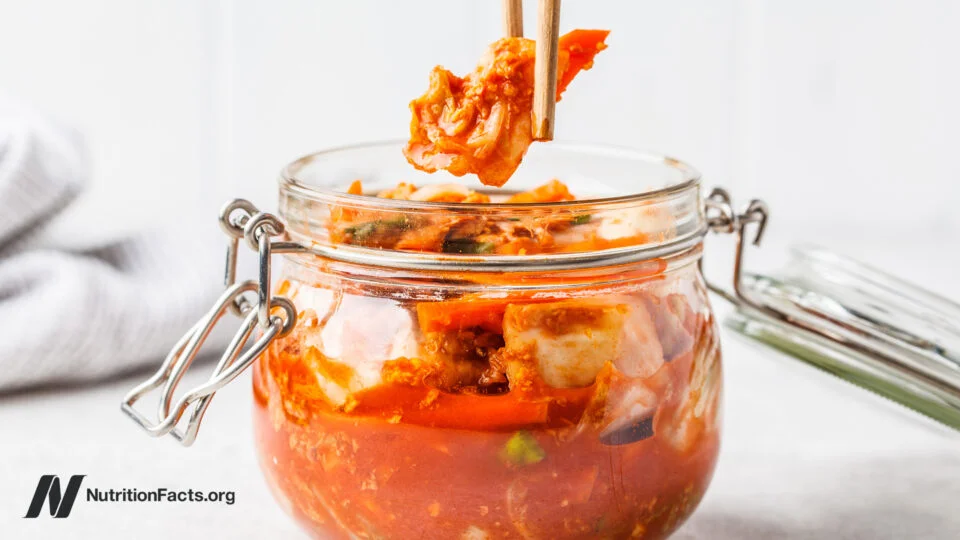
There's an undeniable contradiction within Asian dietary habits, particularly evident in Japan's health statistics. Despite ranking high in life expectancy and low incidences of major cancers, the nation grapples with an astonishingly high rate of stomach cancer. Research increasingly points towards the interplay of diet and certain bacterial infections as key factors influencing these alarming cancer rates.
Japanese men exhibit seven times less prostate cancer than their American counterparts, yet stomach cancer rates are dramatically higher—six times more, to be exact. This raises questions about potential dietary shortcomings, particularly within traditional food practices.
One hypothesis from the 1970s suggested that talc, used in the polishing of white rice, could be linked to this trend. However, while talc has been implicated in ovarian cancer lawsuits, the evidence linking it to stomach cancer remains tenuous at best. Further investigations revealed that genetic factors can't exclusively explain Japan's rates either; studies of Japanese immigrants showed that as their dietary habits shift towards westernization, their stomach cancer rates diminish.
The Role of H. pylori
The primary suspect surfacing in the discourse around stomach cancer is Helicobacter pylori (H. pylori), a bacterium that thrives in the stomach lining and causes chronic inflammation, a precursor for cancer. It holds the classification of a Group 1 carcinogen, establishing a strong link to cancer risk. Countries like Japan and Korea not only observe higher stomach cancer rates but also report significant H. pylori infection incidences.
However, the assumption that H. pylori alone accounts for Japan's stomach cancer epidemic is becoming increasingly challenged. Interestingly, nations like Nigeria showcase minimal stomach cancer cases despite having higher rates of H. pylori infections. Likewise, India presents the "Indian enigma," where the prevalence of H. pylori is double that of Japan's, yet stomach cancer occurrences are significantly lower.
Dietary Factors in Cancer Risk
Clearly, H. pylori is just one piece of a larger puzzle. While most stomach cancer cases are correlated with H. pylori, the vast majority of individuals infected with the bacteria never develop cancer. It raises an urgent question: What other factors contribute to the high incidence of stomach cancer in certain populations? The chronic inflammation resulting from H. pylori infections could amplify the stomach's vulnerability to dietary carcinogens, particularly among those consuming high-risk foods.
Research contrasting dietary habits in Asian populations exhibiting similar H. pylori infection rates but differing stomach cancer statistics suggests that the consumption of preserved and salted foods, such as kimchi, could play a significant role. In fact, fresh produce demonstrates striking protective qualities against stomach cancer, correlating with an 85% reduction in cancer risk. In contrast, intake of fresh fish doesn't seem to have any direct association either way.
A review across 60 studies highlights the alarming link between pickled food consumption and stomach cancer rates, with a pronounced impact seen in Korea compared to Japan, possibly linked to the higher quantities of salt-fermented vegetables—primarily kimchi—consumed in Korea.
Experimental data strengthen these claims as laboratory studies reveal that extracts from pickled vegetables can lead to DNA damage in cultured cells. A study conducted in Vancouver also tracked the effects on human subjects consuming significant amounts of pickled vegetables. Biopsy results before and after the dietary adjustment indicated moderate to severe tissue abnormalities following just three days of eating pickled items, underscoring the potential for stomach lining irritation.
Exploring Protective Dietary Components
Interestingly, non-fermented soy products, such as tofu and edamame, indicate a lower stomach cancer risk among Japanese diets, while even highly salted fermented soy foods like miso do not offer the same protective benefits. This disparity is attributed to the anti-inflammatory and antioxidant properties present in isoflavones found in non-fermented soy products.
Although salt alone is not directly recognized as a carcinogen, its effects can be damaging to the stomach lining, possibly thinning protective layers, and facilitating greater H. pylori colonization. Elevated salt intake is associated with a heightened risk of stomach cancer, although its particular impact may be most evident among individuals already coping with H. pylori-triggered inflammation.
What Lies Ahead?
While conventional treatment for H. pylori infections often relies on antibiotic regimens, the potential for dietary solutions invites further exploration. The interplay of kimchi, H. pylori, and diet in Japan and Korea raises profound questions for future research on stomach cancer prevention.
Doctor’s Note
Stay tuned for our follow-up discussing dietary strategies for combating H. pylori infections: The Best Foods to Fight H. Pylori.
For more detailed discussions on related topics, check my previous videos on the impact of talcum powder and dietary influences on gut health.



Discussion
Sign in to join the discussion.