Classic Physique competitor Ethan Gohari shares how controlled, single-arm cable pulldowns can target the lats through a full range of motion.
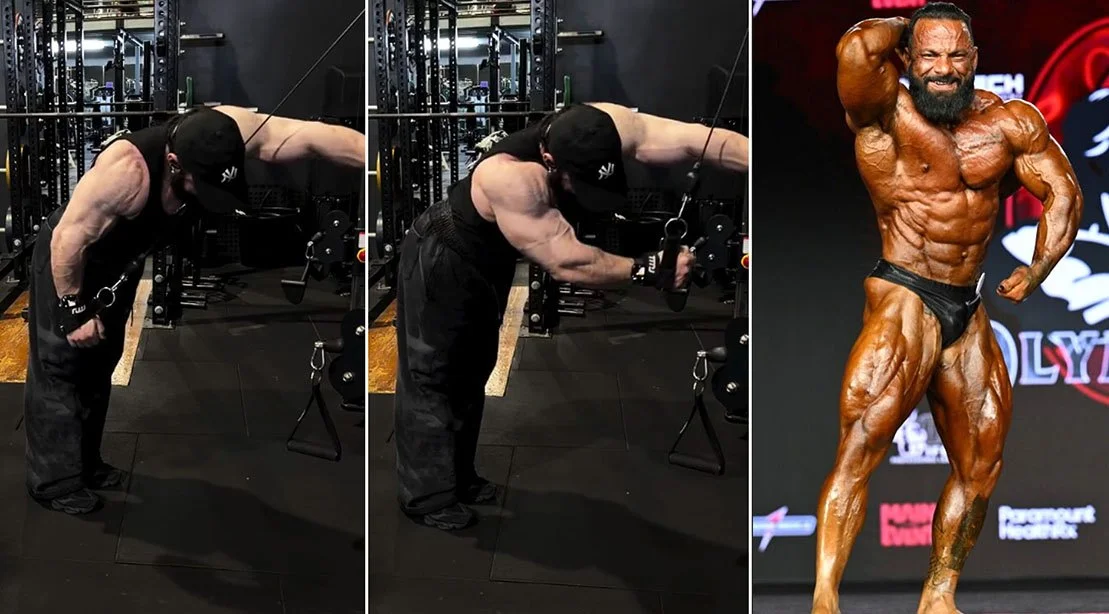
Ethan Gohari is back in the gym preparing for the next season after becoming the first Australian athlete to win a professional Classic Physique contest and the first bodybuilder from Australia to compete in the category at the Olympia. One movement he’s using to build a wider back is the single-arm straight-arm cable pulldown, a relatively simple exercise with a specific job: help him focus on each lat as he pulls. It won’t replace a full back program, and Gohari’s post doesn’t make that claim. Its appeal is narrower: a standard cable station can make it easy to practise a controlled, targeted movement.
Gohari says the exercise is easy to set up at most gyms and keeps tension on the lats throughout the movement. “When it’s set up properly, the lat connection is next level,” he said in a recent Instagram post. A standard cable station is all the equipment it requires. That accessibility matters for a practical reason: a movement that depends on unusual kit is harder to work into an ordinary gym session. Here, the setup is familiar, while the challenge lies in controlling the motion rather than finding specialized equipment.
Why train the lats one side at a time?
The latissimus dorsi muscles run across either side of the back. Developing them can add width and create the tapered look prized in Classic Physique, where the overall shape of the upper body is part of the sport’s presentation. Gohari favors a unilateral setup because it helps him focus on the working muscle instead of simply moving the load. That’s a useful distinction: completing a rep tells you the weight moved, but it doesn’t tell you whether the target muscle did the work he intended.
“Working one side at a time makes it much easier to focus on actually driving through the lat rather than just moving the weight,” he said. Training one side at a time also gives the lifter a clearer view of how each repetition feels, since attention isn’t split between two arms pulling together. That doesn’t guarantee better technique or equal development by itself. It does make the movement’s purpose easier to keep in mind: guide the elbow toward the hip and let the lat do the work.
There’s a tradeoff. A one-arm exercise asks the lifter to pay attention to posture and the cable’s pull while managing one side at a time, so rushing through the set can defeat the point. The exercise is most useful when the load allows a deliberate pull and return. More weight may look impressive, but if the torso starts swinging, the movement has shifted away from the controlled lat work Gohari describes.
Gohari’s form cues
Stand far enough from the cable station to lean slightly into the line of pull, then hold the attachment. Gohari uses a cuff in his example. As you pull, think about driving the elbow down and toward the hip while keeping the hand relaxed: “Your hand is basically just a hook.” Squeeze the lat at the bottom of the movement, but keep the action smooth; a hard yank can make it harder to tell whether the lat or the body’s momentum is moving the cable.
The relaxed hand cue helps keep attention on the elbow and upper arm, which lead the pull in Gohari’s description. The hand still holds the attachment, of course, but it doesn’t need to dominate the effort. If you’re working in this space, that’s the useful coaching point: focus on the path of the elbow and the contraction you’re trying to produce, rather than treating the handle as something to haul down by any means available.
Control the cable as you let the arm rise, allowing the lat to lengthen while keeping the shoulder position steady. The return matters as much as the pull; letting the weight snap back cuts short the controlled stretch that makes the exercise useful. A measured return also gives the lifter time to maintain the same position from one repetition to the next. The less predictable the movement becomes, the harder it is to judge whether the technique is holding up.
Keep the load light enough to avoid swinging, excessive elbow bend or using the torso to shift the weight. Gohari’s test is straightforward: if your whole body has to help, the weight is probably too heavy. His technique puts the emphasis on a stable shoulder, an elbow moving toward the hip and a measured stretch on the way up. That’s a modest standard, but it’s a better guide than chasing a load that turns the exercise into a different movement.
What this exercise can—and can’t—tell you
A single exercise can’t establish how a complete training plan is structured, how often Gohari performs the movement or what results he attributes to it. His post offers a technique demonstration and a personal reason for choosing a unilateral variation. Readers should treat it as that: a practical example from an athlete preparing for a season, rather than evidence that one cable movement is a shortcut to a particular physique.
And this is the part most people overlook: the visible simplicity of the exercise leaves room for small changes that alter how it feels. Distance from the station, shoulder position, elbow bend and pace all affect the repetition. The cue to keep the shoulder steady and control the return gives the lifter a way to check those details without turning the exercise into a complicated routine. One side at a time. A stable position. A deliberate rep.
For Gohari, the value is in making each rep deliberate: the elbow leads, the lat contracts, and the return stays controlled. That’s a more useful message than any suggestion that a single movement can do everything. Follow Ethan Gohari on Instagram here.



Discussion
Sign in to join the discussion.