Fenugreek shows significant potential in boosting sexual function, alleviating period pain, and enhancing lactation, backed by scientific research.
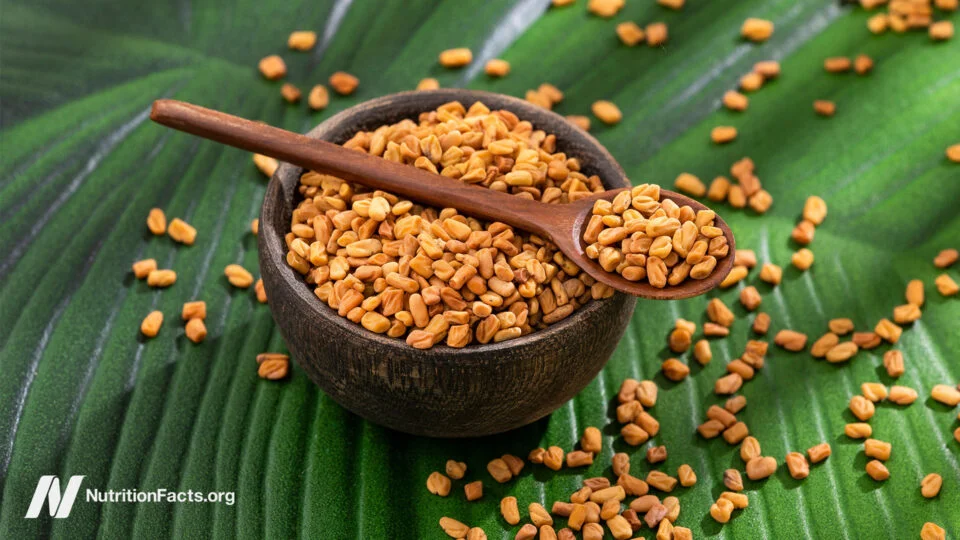
Exploring Fenugreek's Hormonal Benefits
Fenugreek has garnered attention not just for its culinary uses but also for its potential hormonal benefits. Long utilized in various traditional medicinal systems, this herb is now starting to receive recognition from the scientific community. Research indicates that fenugreek can positively influence sexual function in both men and women, supporting its traditional use in herbal medicine. But what exactly are the mechanisms at play, and how reliable is the evidence?
Effects on Male Sexual Function
In studies involving young men, participants who took fenugreek capsules showed noticeable improvements in strength and body composition after just eight weeks. One study focused on the herb's impact on testosterone levels and sexual function. The findings were compelling: a significant increase in testosterone levels was observed, evidenced by a rise in the frequency of morning erections. This effect is particularly relevant in an age where male testosterone levels are declining, with many young men reporting issues such as fatigue and diminished libido.
Interestingly, enhanced testosterone levels can lead to improved mood, energy levels, and even muscle mass. The intersection of physical strength and sexual function can't be overlooked here. If you're working in this space, understanding the implications is vital—this could shift the conversation around testosterone replacement therapies, which often come with significant health risks and side effects.
Female Sexual Health and Hormonal Balance
When it comes to women, testosterone plays a pivotal role in sexual desire. While estrogen aids in physical arousal, increased testosterone is known to enhance libido significantly. Research has demonstrated that fenugreek not only elevates testosterone levels but also increases estradiol, another crucial hormone for women's sexual health. This combination leads to a noticeable improvement in sexual activity among women, effectively doubling their sexual encounters compared to those on a placebo.
But here’s the thing: hormonal balance in women is incredibly nuanced. It's not just about one hormone; it’s an intricate dance of estrogen, progesterone, and testosterone. So while fenugreek shows promise, it’s essential to keep in mind that individual responses can vary widely, and more extensive studies are warranted to understand the long-term effects.
Menopausal Symptoms and Overall Hormonal Health
For menopausal women suffering from symptoms like hot flashes and nocturnal sweating, fenugreek appears to serve as a natural remedy. A double-blind, placebo-controlled study illustrated that participants who took fenugreek experienced a significant reduction in these symptoms, with the frequency of hot flashes reduced by half over three months. This is especially significant given that many women are increasingly seeking natural alternatives to hormone replacement therapy, which may carry risks.
Given the connection between hormonal health and quality of life, the implications here are noteworthy. Women looking for relief from menopausal symptoms often find themselves with few safe options, balancing effectiveness with potential side effects. If fenugreek can provide that balance, it's something worth considering.
Relief from Menstrual Pain
Fenugreek isn’t just beneficial for sexual health; it also shows promise in mitigating menstrual discomfort. A study involving plain fenugreek powder revealed that a simple regimen—just about a third of a teaspoon taken three times daily—significantly decreased pain and other menstrual-related symptoms, including headaches and fatigue. The ease of incorporation into a daily routine makes fenugreek a viable option for those seeking relief.
This is more significant than it looks. Many women rely on over-the-counter painkillers, which can lead to unwanted side effects over time. Fenugreek could provide a natural alternative for those wanting to avoid pharmaceuticals, though ongoing research will help clarify its long-term safety and efficacy.
Enhancement of Lactation
Known as a galactagogue, fenugreek supports lactation in breastfeeding women. Clinical trials indicate that small daily doses can lead to remarkable increases in milk production. By week four, mothers using fenugreek had doubled their output compared to their baseline, showcasing its efficacy at even low doses. This is particularly impactful as many new mothers struggle with milk supply, often leading to stress and anxiety during what should be a nurturing experience.
Caution for Pregnant Women
Despite its benefits, fenugreek should be avoided during pregnancy due to its potential to stimulate uterine contractions. While much of this caution stems from animal studies, it’s wise to approach use during pregnancy with caution. The reality is that much remains unknown about the full range of fenugreek's effects, particularly in pregnant women.
This cautionary measure underscores an essential aspect of herbal remedies: what works well for the majority may not be safe for all. (And this is the part most people overlook.) Each individual's body reacts differently, and when it comes to pregnancy, the stakes are incredibly high.
Implications and Future Outlook
With growing evidence supporting its hormonal benefits, fenugreek could be a valuable addition to health regimens focused on enhancing sexual health, alleviating menstrual discomfort, and supporting lactation. However, it's critical to approach this herb with the necessary caution and to consult healthcare professionals before making significant changes to one's health routine.
The intersection of traditional knowledge and modern scientific inquiry presents a compelling terrain for further exploration. As researchers continue to investigate fenugreek's multifaceted effects, there might be deeper insights into how such herbs can empower individuals in managing their hormonal health. For now, while the evidence is promising, more extensive, long-term studies will help paint a clearer picture of fenugreek’s role in hormonal health.
Further Learning
For those interested in exploring fenugreek further, additional resources and video content are available on the topic, discussing both its benefits and potential side effects.


Discussion
Sign in to join the discussion.