Proper grip technique is vital for maximizing strength and muscle engagement during lifts. Understanding grip styles can substantially improve performance.
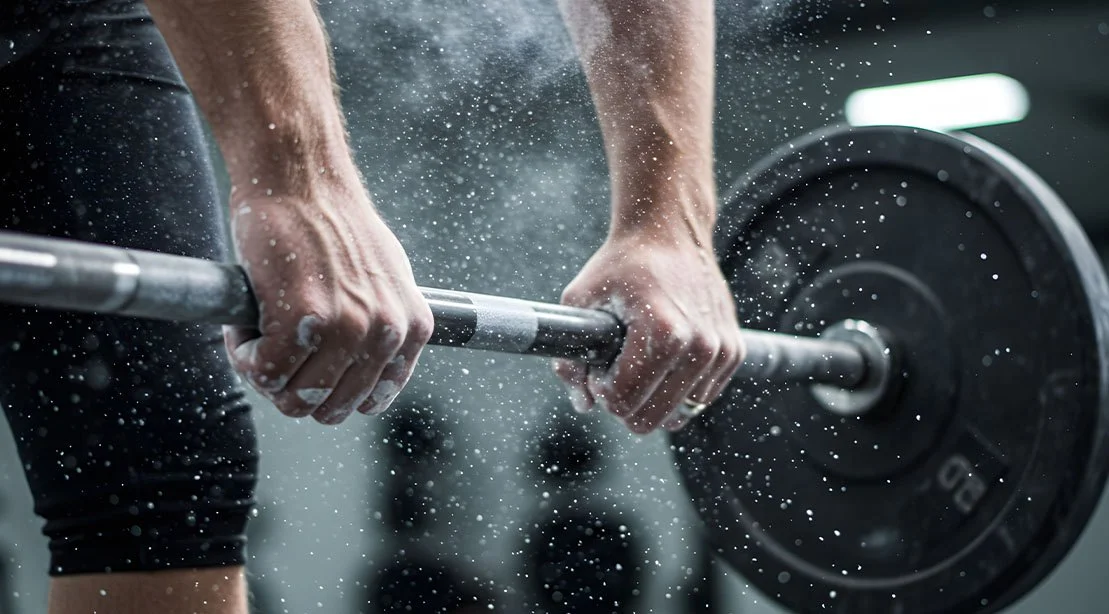
Importance of Grip Technique in Strength Training
The grip you choose is foundational to effective weightlifting. Many lifters overlook this critical element, focusing solely on the weight they're lifting. However, the specifics of your grip can significantly impact your strength, stability, and overall performance.
Various factors such as wrist position, grip width, and the way the bar rests in your palm influence not just comfort but muscle recruitment and joint integrity. Fine-tuning these elements can transform your lifting experience; a solid grip means your joints are aligned, aiding energy transfer and reducing the risk of strain. Conversely, a poor grip can lead to fatigue and discomfort, cutting a workout short before true muscle engagement occurs.
Exploring Different Grip Styles and Their Effects
Understanding the six main grip styles can enhance your lifting efficacy. Each grip requires unique positioning, affecting how muscles engage and how force is transferred through your body.
1. Pronated Grip
A pronated grip, where the palms face away, is common in exercises such as deadlifts and rows.
- Pros: It's easy to implement and is the default for many lifts.
- Cons: This grip may limit performance on heavy pulls due to weaker wrist support.
- Ideal for: Lifters focusing on grip strength without needing extra assistance.
2. Supinated Grip
In this style, palms face you, often used for chin-ups and curls.
- Pros: It enhances bicep engagement by allowing for greater contraction.
- Cons: Some trainers report wrist discomfort when using this grip.
- Ideal for: Those looking to maximize bicep activation.
3. Neutral Grip
This involves palms facing each other, typical for exercises like hammer curls and neutral-grip pull-ups.
- Pros:It tends to feel more natural, accommodating wrist ergonomics better.
- Cons: Not all equipment options support this grip.
- Ideal for: Lifters who feel discomfort with other grips or prefer more natural wrist alignment.
4. Mixed Grip
The mixed grip alternates between pronated and supinated hands, commonly seen in heavier deadlifts.
- Pros: This grip prevents the bar from rolling out of your hands, increasing weight capacity.
- Cons: It can lead to asymmetry, with different demands on each arm.
- Ideal for: Lifters who struggle with grip strength during heavy lifts.
5. Hook Grip
Utilized primarily for Olympic lifts and heavy deadlifts, the hook grip features the thumb wrapped beneath the fingers.
- Pros: This grip is incredibly secure, allowing for heavy lifting.
- Cons: It's often uncomfortable until you adapt.
- Ideal for: Lifters seeking secure handling of heavy weights.
6. False Grip
A false grip lacks thumb engagement, placing it on the same side as the fingers, effective during squats.
- Pros: Maintains better wrist alignment in certain lifts.
- Cons: Reduces security, unsuitable for many pressing exercises.
- Ideal for: Lifters needing a straighter wrist alignment.
The placement of the barbell in relation to your hands can determine whether you're effectively connecting with the weight or merely battling against it.
During overhead and bench presses, position the bar closer to the heel of your palm to keep your wrists aligned and reduce unnecessary extension. In contrast, using a limited grip on deadlifts—just high enough to prevent it from rolling toward your fingers—can minimize discomfort.
The Role of Grip Width in Muscle Activation
Grip width and placement can also alter which muscles are engaged and how efficiently they work. This principle holds particularly true for exercises like rows, curls, and deadlifts.
Rows
Different grip options in rows affect how your elbows align:
- Pronated grips generally lead to more elbow flare, engaging upper back muscles.
- Supinated grips keep elbows tucked, enhancing bicep and lat activation.
- Neutral grips offer flexibility in elbow path, targeted for specific training needs.
Curls
Your grip fundamentally influences the biceps’ mechanical advantage:
- Supinated grips maximize bicep engagement for elbow bending.
- Neutral grips require other muscles to assist in the motion.
- Pronated grips drop bicep assistance and lean on forearm muscles.
Pull-Up Variations
The same mechanical principles apply when attaching the grip to the body rather than the weight:
- Pronated pull-ups typically lessen bicep leverage.
- Supinated chin-ups favor bicep usage, allowing for easier lifts.
- Neutral grips balance both dynamics, often being more comfortable for individual lifters.
Deadlifts
Your grip's orientation greatly influences your deadlift performance:
- A double-overhand grip provides a balanced shoulder position but may limit grip strength.
- A mixed grip helps stabilize the bar by fighting hand rotation but introduces asymmetry.
- A hook grip combines balanced positioning with security, though it may be uncomfortable initially.
The takeaway here is clear: the way you grip can shift your joint positioning and ultimately dictate which muscles can exert force most effectively.
Assessing Your Grip Technique
Determining the right grip isn't solely about comfort—it also hinges on whether it enhances your performance without inciting pain.
- Does the grip cause discomfort? Discomfort often signals a grip misalignment.
- Are you lifting more? Greater strength at a particular grip can suggest a better mechanical advantage.
- Does it reveal weaknesses? Failures in certain grips might uncover areas that need improvement.
- Is your body positioned correctly? The best grip facilitates natural movement patterns and aligns joints.
- Does it cater to your unique physiology? Individual anatomical differences should guide your grip customization.
Checklist for Optimal Grip Selection
Awareness of your grip's impact should guide improvements in your training routine. Consider these factors:
- Comfort: A good grip should feel secure, not painful.
- Wrist Position: Ensure your wrist stays neutral.
- Range of Motion: Favor grips that allow full range without compromising form.
- Stability: Control is key; an unstable grip negates strength.
- Performance: Choose grips that enhance strength and expose weak points.
Final Insights
Your grip is the first point of contact with the weight and influences everything that follows. Adjusting grip style, width, and hand positioning are vital for optimizing your lifts. Embrace flexibility in your grip technique as needed; minor modifications can yield significant benefits.
The key takeaway is this: your grip should enhance your lifting ability, enabling control and strength rather than detracting from it.



Discussion
Sign in to join the discussion.