After special tactics service and a cancer diagnosis, Ryan Del Grosso says fitness, community and purposeful work helped him shape what came next.
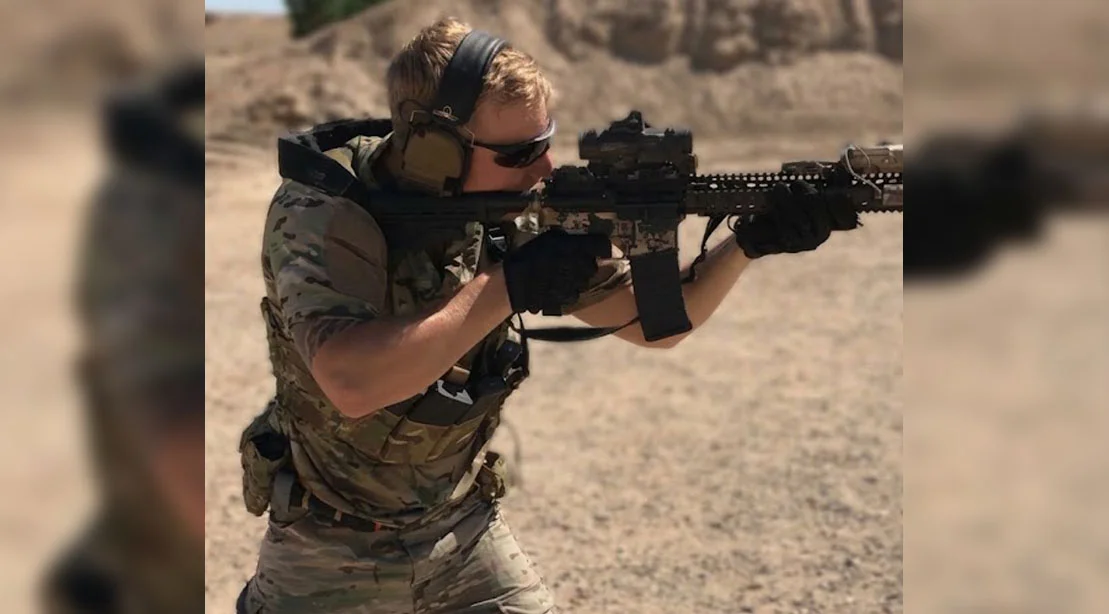
Ryan Del Grosso’s account of military leadership, cancer treatment and life after service points to a practical role for fitness: it can help people meet hardship with skills they’ve already practiced. “Fitness gives you something to draw on when life gets difficult: the experience of having worked through hard things before,” he says.
Del Grosso built that experience over years in Air Force special tactics, where he led teams through demanding training and deployments. After leaving the military, he carried his focus on service into nonprofit work, business and sport. Then, after a diagnosis of stage 3 non-Hodgkin lymphoma in March 2026, training became part of how he navigated surgery and chemotherapy and began to regain a sense of control.
Learning to lead under pressure
Raised in Riyadh, Saudi Arabia, by parents who had served in the Air Force, Del Grosso was in fifth grade during the September 11 attacks. He says the events contributed to his decision to serve. Films including Black Hawk Down, Annapolis and Into the Wild also helped draw him toward the American West and the Air Force Academy.
He came from a rural Ohio school without connections to the service academies. At the Academy, he found guidance among classmates who had already served. Their maturity and confidence shaped how he thought about teams—and the value of recognizing what others bring.
That lesson was tested in the two-and-a-half-year special tactics training pipeline. As a class leader and officer candidate, Del Grosso had to build cohesion while he and his peers faced sustained physical and mental pressure. He remembers the process less as a test of individual grit than as an education in helping people combine their strengths.
His career took him to Afghanistan, Eastern Europe and Southeast Asia. He commanded teams on three deployments and took part in Joint Special Operations Command exercises. But when he describes the work he’s proudest of, he emphasizes contributions to other people: helping secure upgrades to two Silver Star medals for a fellow operator, and mentoring a younger teammate as that person planned and led a large combined-force operation.
“I could help a teammate get the recognition they’d earned or help someone prepare to lead and then see them succeed,” he says. For Del Grosso, those outcomes show how leadership can outlast a deployment: people leave better prepared, and their work receives the recognition it deserves.
Finding purpose after military service
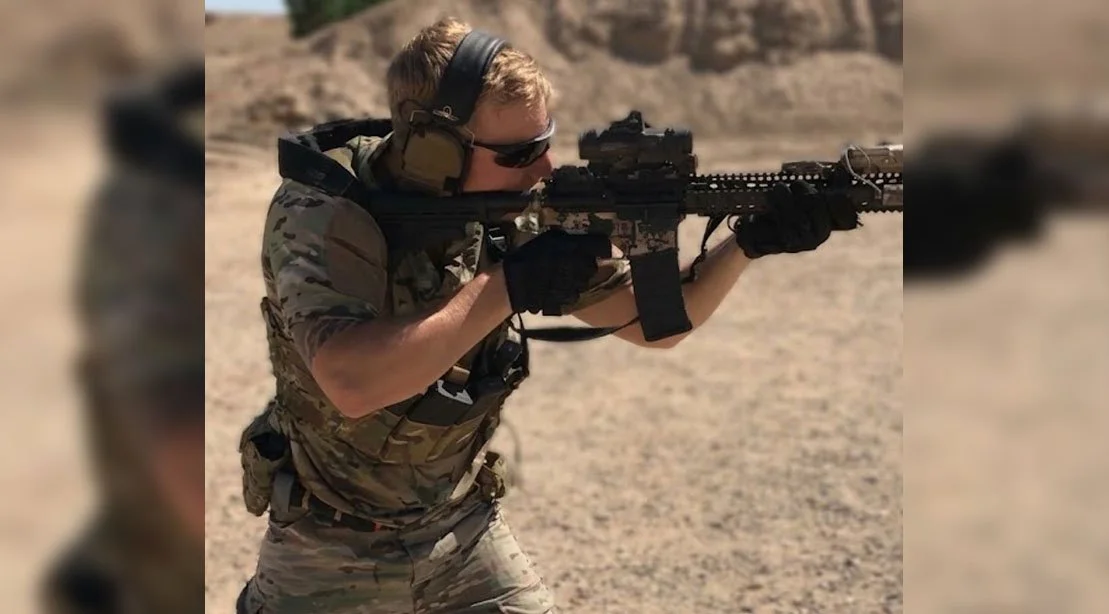
Del Grosso’s work after the military has followed a similar thread: service can take different forms, and making room for other people matters. He earned an MBA at Harvard Business School and served on the board of Huts for Vets, a Colorado nonprofit that offers no-cost wilderness therapy retreats to veterans and active-duty service members. He also served as the organization’s chairman before stepping down to make space for new members.
The experience supported his own recovery and changed how he understood his role in the veteran community. “Huts for Vets helped me heal, too,” he says. “Being part of that community gave me a different understanding of how I could support other veterans and continue to serve.”
He also co-founded IMPCT Group, an agency and strategic advisory firm that works across commercial innovation, social impact and brand growth. Del Grosso says he wanted his professional work to reflect his values. His view is that a company’s purpose should guide both the goals it pursues and the way it pursues them.
Sport has been another route to community and opportunity. Del Grosso ran distance events, wrestled and trained during his military career; he later completed an MBA Fellowship with the U.S. Olympic and Paralympic Committee (USOPC). He says competition gave him a place to test himself, while sport also connected him to people and opened doors.
That experience informed his interest in the USOPC. He wanted to help create opportunities for others to find community and pursue goals through sport, as he had. His account makes a case for access to athletics as something with value beyond performance: it can help people find belonging and see possibilities they might otherwise miss.
Training through cancer treatment
In March 2026, Del Grosso was diagnosed with stage 3 non-Hodgkin lymphoma. His treatment included surgery, placement of a port and chemotherapy. Throughout that period, he worked to keep training in his life with support from Be Fit, Be Well, a group that provided trainers, community and progress tracking.
The group adapted to the difficult days as well as the better ones. Del Grosso recalls arriving frustrated and sometimes needing to push a sled to work through that energy. The trainers gave him room to do so. That kind of support mattered because training wasn’t simply a target to hit; it gave him a familiar way to manage a demanding stretch of treatment.
A month after finishing chemotherapy, he climbed a Colorado mountain above 14,000 feet. The effort was difficult and slow, and he says there were moments he wanted to stop. He chose the climb as a way to test his fitness and reconnect with his body after treatment.
“That climb was about feeling like my body was mine again,” he says. Reaching the summit gave him a measure of agency at a time when illness and treatment had shaped much of his daily life. He describes the experience as a starting point for deciding what came next.
What service can look like next
Del Grosso, a husband and father, is looking ahead to the Military World Games planned for summer 2027. He sees the event as a way to share stories of strength and show how veterans continue contributing to their communities. His focus remains on finding ways to serve, rather than treating military service as the only possible expression of that commitment.
For veterans working out what comes after the uniform, his advice is to begin with their interests and values instead of expecting an immediate, complete plan. He encourages people to identify what matters to them, find others doing meaningful work and get involved. Military experience, he says, can be useful in settings veterans may not have considered.
Del Grosso’s path—from special tactics leadership to community work, business and recovery—suggests that purpose can develop through action. The next step needn’t resolve every question. It can start with a team, a cause or a challenge worth showing up for.
You can follow Del Grosso on LinkedIn.
M&F Senior Military Editor Rob Wilkins contributed to this Fit to Serve article.


Discussion
Sign in to join the discussion.