Joshua Wade took the openweight crown by beating heavyweight champion Angel Delatorre, while Scott Cho upset national champion Joshua Wade in middleweight.
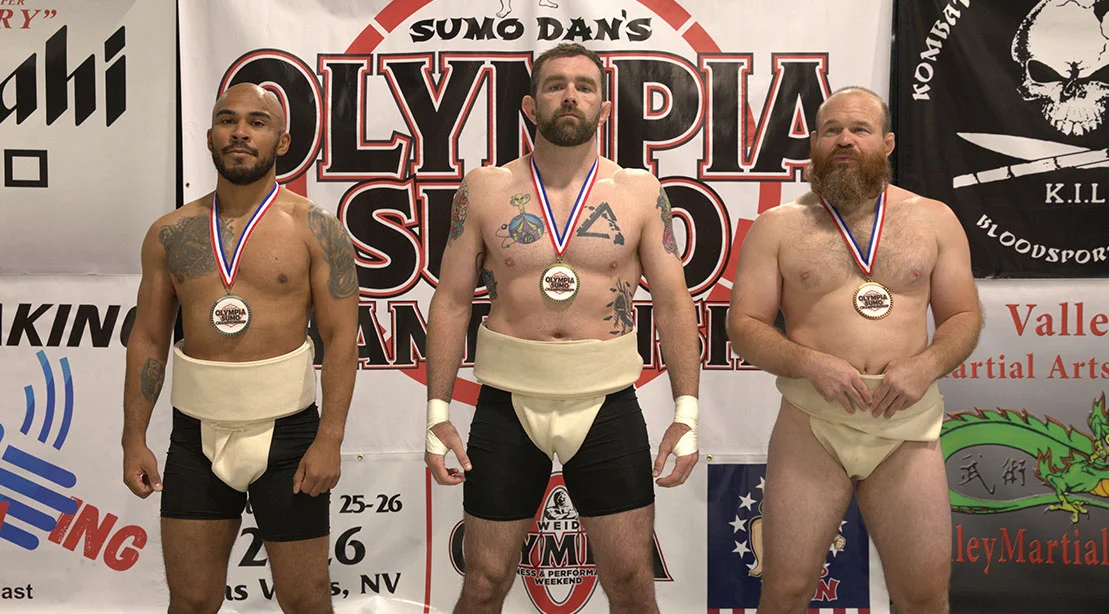
Joshua Wade left the 2026 Olympia Sumo Championships with the openweight title after beating heavyweight winner Angel Delatorre. It was the tournament’s clearest upset: Wade had finished second in the 100-kilogram division, where Scott Cho took gold over the reigning United States Sumo Federation national champion. The results put Wade in two different stories at once: a runner-up finish in his weight class and a title in the bracket where athletes of different sizes meet.
The championships ran September 25–26 at the Las Vegas Convention Center as part of the 2026 Olympia World Fitness Expo. Organizer “Sumo Dan” Kalbfleisch hosted the event for the 21st year, bringing competitors from the United States and abroad to contest five divisions. That setting gives the tournament a broad audience, but the results still turn on familiar sporting questions: who can impose a preferred style, handle a difficult matchup and deliver when a bracket puts a title within reach.
Wade takes the openweight crown
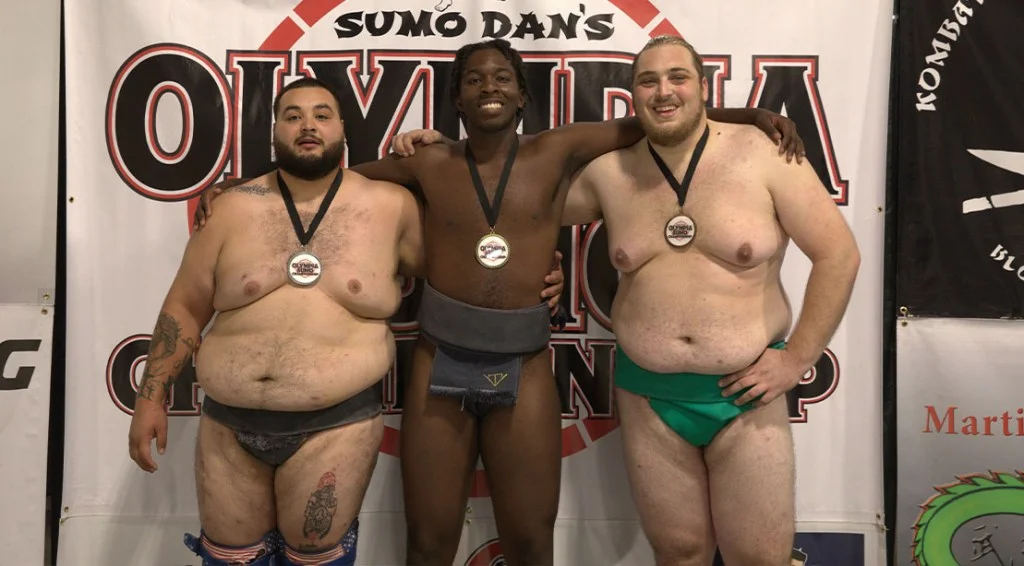
The openweight bracket removes the division’s weight ceiling, putting lighter athletes against larger opponents. That makes the format a test of more than size. Balance, timing, positioning and the ability to respond to an opponent’s pressure can all shape a bout, although the tournament results alone don’t show how each match unfolded. Wade made the most of that format, finishing ahead of Delatorre and Dyson Dunkl.
Delatorre had just defended his heavyweight title, making Wade’s win a notable finish to the event. A champion can dominate within a weight class and still face a different test when the field opens up. Wade’s victory is therefore more than a second medal for an athlete who also placed in the middleweight division. This is more significant than it looks: it shows how an openweight result can unsettle expectations built around the conventional divisions, even when the available results don’t tell us exactly how the decisive bout was won.
Openweight results
1st – Joshua Wade
2nd – Angel Delatorre
3rd – Dyson Dunkl
Cho and Mukhamadiyarov break through
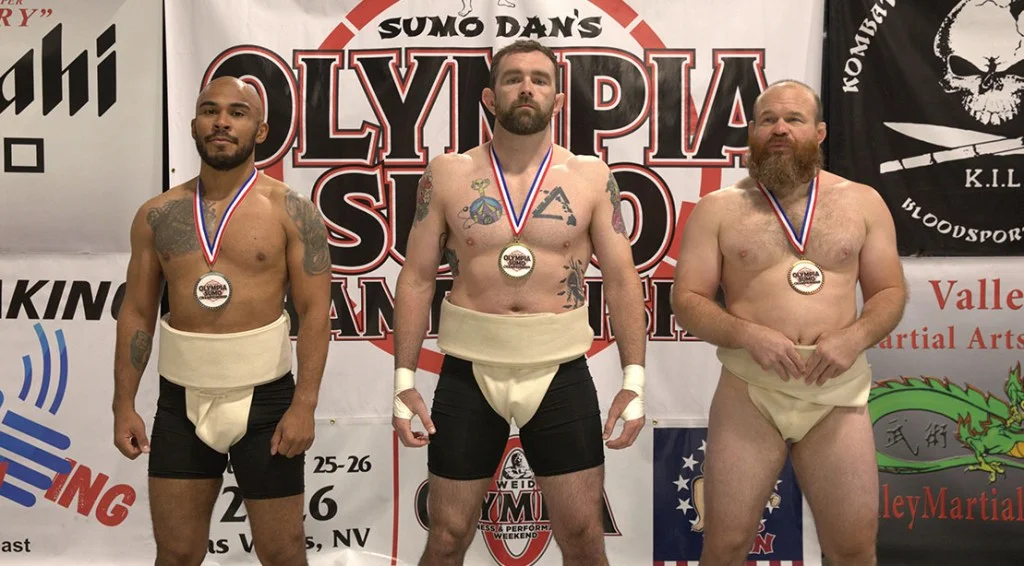
Cho’s middleweight win came at the expense of Wade, the current USSF national champion. Ryan White claimed third. The result gives the division a clear point of comparison: Wade reached the openweight summit, but Cho finished ahead of him in their listed weight class. That split underscores why a single tournament can produce more than one measure of standing; each division rewards success under its own conditions.
In the light-heavyweight division, Ruslan Mukhamadiyarov finished first, adding to a record that includes silver at the 2020 US Sumo Open. Eric Underhill took second, while 2025 champion Cornelius Booker placed third. The podium gives Mukhamadiyarov the top result this time, while Booker’s third-place finish marks a different outcome from his previous championship. The record offered here doesn’t explain the bouts or the path through the bracket, so the placings remain the clearest measure of what happened.
Middleweight results (100 kg/220 lbs)
1st – Scott Cho
2nd – Joshua Wade
3rd – Ryan White
Light-heavyweight results (115 kg/253 lbs)
1st – Ruslan Mukhamadiyarov
2nd – Eric Underhill
3rd – Cornelius Booker
Defending champions repeat
Matt Cox successfully defended his lightweight title. The Honu Sumo competitor from San Diego had also earned silver at the 2026 USSF championships. David Nabbimba placed second and Mike Kubeska third. Cox’s repeat win gives the division a stable reference point in a tournament otherwise marked by a major openweight surprise and fresh winners in other classes. And yet, one title defense doesn’t tell us how close the competition was; the published standings establish the order, not the margin.
Lightweight results (85 kg/187 lbs)
1st – Matt Cox
2nd – David Nabbimba
3rd – Mike Kubeska
Angel Delatorre also repeated as champion, retaining his heavyweight title. Dyson Dunkl took silver, and Larry Velasquez finished third for the second consecutive year. Delatorre’s two results make him one of the event’s most visible figures: he kept the heavyweight crown and then finished second in openweight. That combination points to success across two formats, while Wade’s openweight victory supplies the tournament’s sharpest reversal.
Heavyweight results (+115 kg/+253 lbs)
1st – Angel Delatorre
2nd – Dyson Dunkl
3rd – Larry Velasquez
What the results say about the event
The five divisions provide different ways to read the championships. Repeat victories by Cox and Delatorre suggest continuity in lightweight and heavyweight, while Cho and Mukhamadiyarov took the top spots in their respective classes. Wade’s openweight win adds the event’s strongest contrast: the athlete who placed second at 100 kilograms finished ahead of the heavyweight champion when the weight ceiling came off. The numbers here are underwhelming as a full account of the competition, because standings don’t reveal tactics or match-by-match momentum. Still, they make the event’s central point plain: divisions can produce different answers about who had the strongest tournament.
If you're working in this space, that distinction matters when you assess a competitor’s results. A title in one class says something specific about performance against that field; an openweight title adds evidence of success across a broader range of opponent sizes. Not a complete scouting report, but a useful signal.
Kalbfleisch credited the athletes, event crew, fans, sponsors and Olympia organizers for helping the tournament run. Chef Andre Rush also attended and watched the matches alongside fans and livestream viewers. The event’s place within the Olympia World Fitness Expo offers sumo a stage in front of people attending a wider fitness gathering. That can help introduce the sport to spectators who might not otherwise seek out a sumo tournament, though the available account doesn’t establish how many viewers watched or how the event affected audience interest.
Replays of several bouts are available on the Sumo Dan YouTube channel. Event updates are posted by @olympiasumo and @sumodanusa on Instagram. Those clips and updates give fans a way to follow the results beyond the venue, and they let viewers judge the bouts for themselves. Here's the thing: the standings tell us who finished where; the replays can show how they got there.


Discussion
Sign in to join the discussion.