A Shinshu University study found pterostilbene reduced fat in cultured mouse muscle cells while preserving muscle proteins. Human effects remain untested.
Pterostilbene reduced fat accumulation in cultured mouse muscle cells without disrupting muscle proteins, according to research led by Shinshu University in Japan. The result points to a possible mechanism: the compound may help cells break down stored fat and use fatty acids as fuel. That’s a useful lead, but it’s still a long way from showing a benefit in people. A cell response is an early piece of evidence, not a dietary recommendation or proof of a treatment.
The distinction matters because muscle fat is not the same thing as the fat people can see or measure elsewhere in the body. The study looked at lipid accumulating inside muscle cells, under controlled laboratory conditions. It didn’t establish what causes that accumulation in people, how much it contributes to disease, or whether changing it would improve health. Those questions require evidence beyond a cultured-cell experiment.
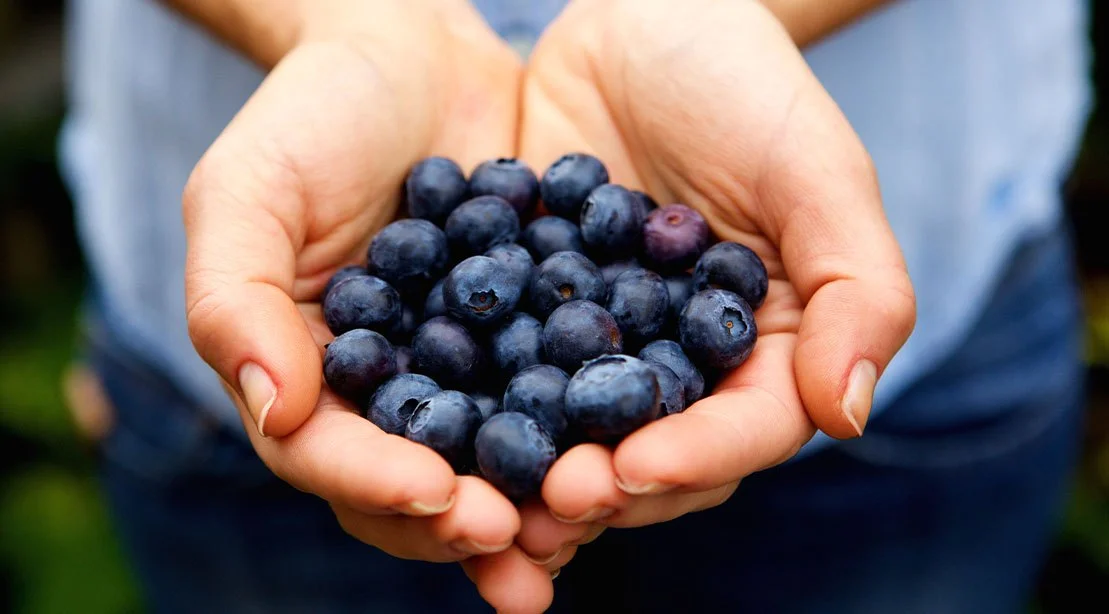
Researchers compared several compounds and found that pterostilbene produced the largest drop in intracellular lipid accumulation among those tested. The polyphenol occurs in blueberries, bilberries, grapes and cranberries. In treated cells, glycerol was released, a sign consistent with stored fat breaking down; the cells also showed fatty acid oxidation, which indicates that fatty acids were being used as fuel. Meanwhile, muscle cell development and growth continued normally.
That combination is more informative than a reduction in stored fat alone. A compound might lower the amount of fat in a cell by damaging the cell or interfering with its normal development. The reported results suggest that wasn’t what happened in this experiment. Still, the findings describe what the researchers observed in their model; they don’t establish how the compound works throughout a living organism, where digestion, distribution and other biological processes can affect exposure and response.
What the cell study shows
Earlier work has linked excess fat stored in muscle to heart dysfunction, heart attacks and preventable deaths. That connection provides a reason to study muscle fat, but it doesn’t mean that lowering fat in cultured cells will prevent those outcomes. The new research examined a potential way of changing fat metabolism. It didn’t test whether pterostilbene improves heart health, reduces heart attacks or prevents disease.
That’s an important boundary. Associations between a biological condition and health outcomes can point researchers toward a question, but they don’t by themselves show that changing the condition changes the outcome. Here, the demonstrated result is narrower: pterostilbene was associated with less intracellular lipid in the tested mouse muscle cells, alongside signs of fat breakdown and use, and without disrupting muscle proteins. The clinical meaning remains unknown.
“Our findings establish a scientific framework for developing functional foods and nutritional supplements that target muscle fat metabolism,” said study leader Dr. Mitan.
The statement describes a possible direction for further work, not evidence that a particular food or supplement already delivers the reported effect in people. To make that case, researchers would need to establish whether the cell response occurs in living tissue, what exposure is needed and whether that exposure can be achieved safely. The source doesn’t provide those answers.
Pterostilbene is also known for antioxidant properties, and earlier research has explored possible effects on inflammation and DNA repair. Those topics weren’t the focus of this cell study, so they shouldn’t be treated as explanations for its result. The clearest finding here concerns stored fat and muscle proteins. This is more significant than it looks as a research question: reducing fat while leaving muscle structures intact is a useful distinction to investigate. But one cell experiment can’t establish that the same balance is achievable in people.
That distinction has attracted attention as weight loss treatments prompt questions about preserving muscle while body fat falls. The comparison is relevant, but it shouldn’t be stretched into a claim that pterostilbene works like a weight loss treatment or can protect muscle during weight loss. The study didn’t test either possibility. If you’re working in this space, the practical takeaway is that a promising cellular signal still needs to be connected to effects in living tissue and, eventually, outcomes that matter to people.
What comes next
The experiment used cultured cells. It doesn’t establish whether pterostilbene has the same effect in living tissue, whether it’s safe for that use, or whether people could get a meaningful dose from food. The next research step is to test its effects in living tissues before considering pharmaceutical applications. For now, blueberries remain a food source of pterostilbene, not a proven treatment for muscle fat.
That next step would address a basic gap between a laboratory observation and a possible application. In a living body, a compound must reach the relevant tissue and remain available in a form that can affect cells. The cell study doesn’t show whether that happens after eating pterostilbene, or what amount might be needed. Nor does it show whether the effect persists beyond the conditions of the experiment.
Researchers would also need to distinguish a change in fat metabolism from a meaningful health benefit. A marker such as glycerol release can help explain what cells are doing, but it isn’t itself proof that a person’s health has improved. The same applies to fatty acid oxidation: it supports the proposed interpretation of the cell response, while leaving the larger question open. A promising signal. Not a clinical result.
And yet, the study gives researchers a testable lead: pterostilbene stood out among the compounds compared, and the treated cells showed changes consistent with using stored fat while maintaining normal development and growth. Whether that lead survives testing in living tissue is the next issue. Until then, the finding belongs in the early research column, with the food sources serving as context rather than a prescription.


Discussion
Sign in to join the discussion.