After Paris turned her into a household name, Ilona Maher is building an audience while keeping Team USA training first and encouraging girls to get stronger.
Ilona Maher’s post-Olympic reach has grown faster than the places and schedules that let fans follow her rugby career. That mismatch now shapes the work ahead for the USA player: she’s balancing a crowded public profile with preparation for the 2028 Los Angeles Games, while using her visibility to encourage more girls to take up fitness.
Maher became widely known during the 2024 Paris Olympics, where the USA women’s team won bronze. The attention brought a Sports Illustrated cover, a place on Dancing with the Stars, a podcast and brand work with Maybelline New York, Adidas and Burn Boot Camp. She says the shift in profile hasn’t changed her sense of who she is. “I think for some people when they get famous, maybe it changes who they are and who they believe themselves to be,” Maher tells Muscle & Fitness. “I just never found that to be me. I think I’m kind of a similar person I was before the Paris Olympics.”
Visibility doesn’t guarantee viewers
Maher’s popularity has helped bring attention to rugby and, she says, has contributed to higher ticket sales. But converting interest in her into regular viewership is difficult when fans have few convenient ways to watch the sport. “Honestly, it doesn’t frustrate me because we don’t have enough places for them to watch rugby,” she says. “So I would tell you to watch rugby. I could tell you there’s games on this weekend, but it’s not like you tune into one game, then I’ll keep watching that team.”
That access problem becomes particularly clear when Maher plays overseas. She cites matches in South Africa and Perth, where the time difference can leave American fans facing a 4 a.m. start. Even then, they might catch only the opening minutes of her game. “That’s where it’s hard for me is that there’s really not a lot of opportunities to watch the game,” she says. “And when they want to watch me play—a lot of people would love to watch me play, but I play in places like South Africa and then I go to Perth. So if you want to wake up at 4 in the morning to watch me play the first two minutes of a game…”
Her point is practical: public interest needs a reliable path to the sport. Maher wants more people to watch, but says that will take more chances to see rugby, including games played on home soil. Her fame can introduce new fans to the game; it can’t by itself solve the shortage of accessible broadcasts and local matches she describes.
Team commitments set the schedule
For Maher, the coming Olympic cycle also puts limits on how much of that attention she can pursue. The San Diego resident is planning around Team USA’s training demands, with the team’s timetable determining when other work can fit. “We have meetings throughout the day and rehab and stretching to ramp the body up and whatnot,” she explains. “I have to do whatever timing my team says. I’m not an individual athlete that can build my life around my podcast. I have to build the podcast and everything else around my training life, I have to be in the gym at 8 a.m. with all the girls.”
She describes herself as a team athlete first. Showing up matters to her both as a personal commitment and as a way to stay alongside her teammates. “If my girls are grinding, I want to be out there grinding with them and not just taking the easy road,” Maher says. But rugby doesn’t pay for every part of the life she leads, and she also needs to make time for her podcast and speaking work. “It is important for me to also focus on things like the podcasts or speaking, because that’s how I financially live the life I do.”
The result is a steady exercise in choosing. Maher says her schedule has become “pretty hefty,” and that she turns down opportunities when they clash with training or her priorities. “I have to say no to a lot of opportunities,” she says. “I will get invited to this cool event and I just have to pick my battles.” That decision-making is part of the job now: maintaining her public presence without letting it displace the preparation her team requires.
Training remains the anchor
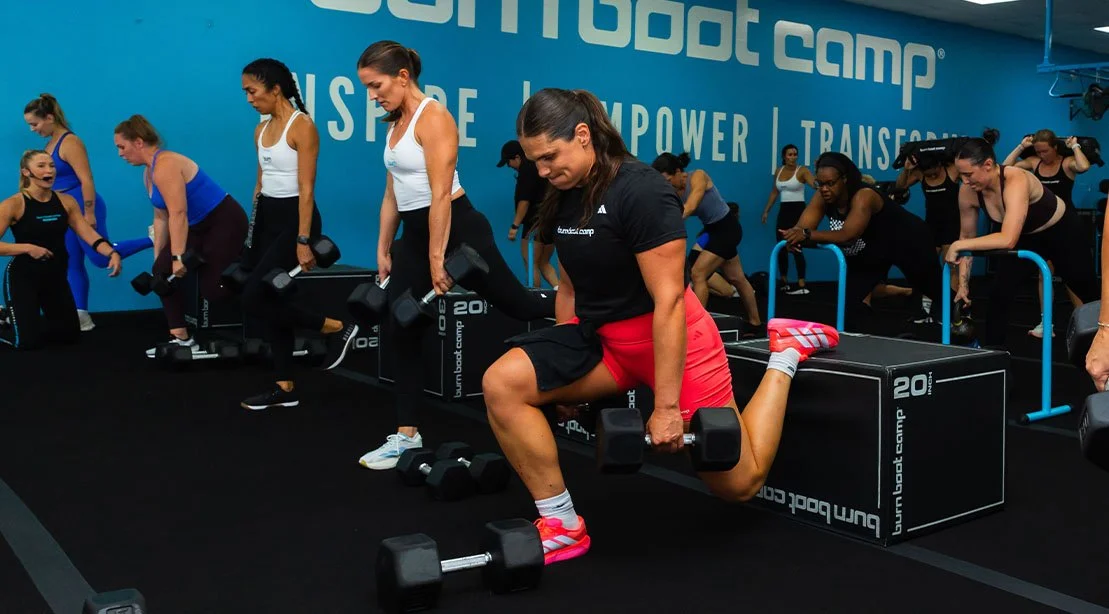
Her weekly routine makes clear why other commitments have to work around rugby. Maher says she can have two on-field sessions in a day, alongside gym work that may include speed and skills training. On some days, the running adds up to about 20,000 steps. She also does weight training four days a week, with an emphasis on explosive movements. Time away from the weight room is for recovery and preparation before the schedule begins again.
Maher enjoys training that lets her test her capacity, particularly squats and bench presses. “I like the ones where you really get to like to test yourself and see how much more you can do,” she says. She also points to dumbbell incline bench press as a favorite: the satisfaction comes from adding weight, finding she can manage it and deciding to try a little more. Those incremental challenges offer a personal reward within a program built around the team’s needs.
Making strength feel more accessible
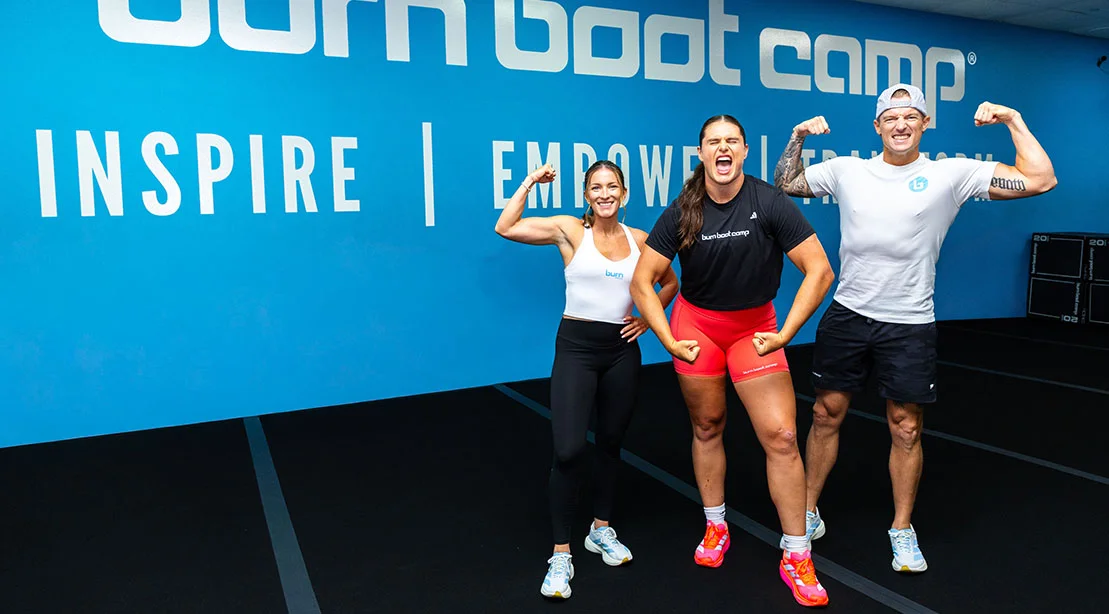
Maher’s work with Burn Boot Camp connects that training experience to a wider audience. The brand offers 45-minute high-intensity fitness classes, and Maher says the energy and encouragement she saw among participants made the community feel like something she wanted to support. She describes women cheering one another on, celebrating progress and building strength together.
That community matters to her because girls who follow Maher often ask how to begin. Some tell her they want to be strong but feel intimidated by the gym. Her response, through this partnership, is to point toward a group setting where people can train alongside one another. “I have so many girls who message me saying, ‘I wanna get strong. I wanna be strong like you. I just don’t know where to start and I’m intimidated by the gym.’”
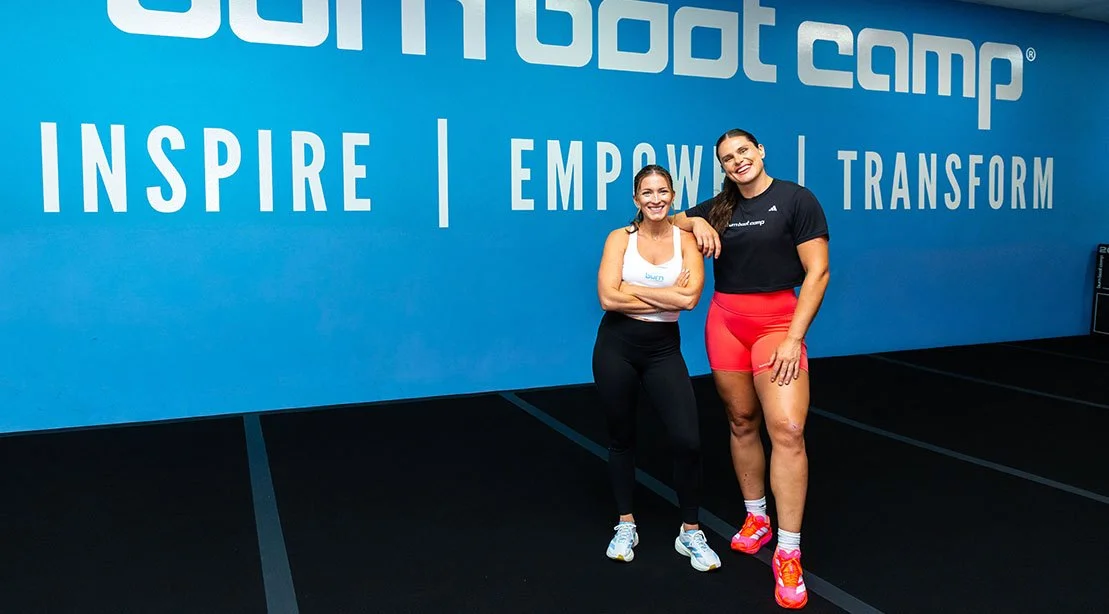
Maher’s influence now spans sport, media and fitness, but the threads are linked by a consistent priority: strength is built through showing up. She’s keeping that commitment with her teammates as she works toward Los Angeles, while using her platform to make rugby and training easier for new audiences to approach. The next test for rugby’s growing profile will be whether fans can find more chances to watch after the Olympic spotlight fades.


Discussion
Sign in to join the discussion.