WADA explicitly includes peptides among non-approved substances, while adding new examples and clarifying rules for THC-related cannabinoids.
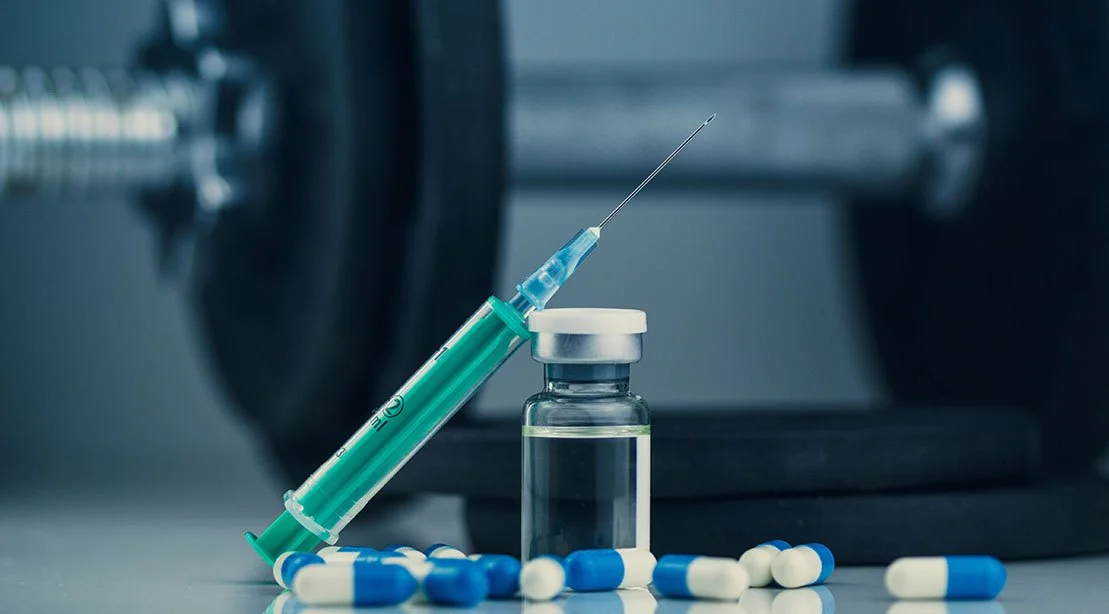
The clearest signal in WADA’s 2027 Prohibited List is that an experimental substance doesn’t need to be named individually to put an athlete at risk. From Jan. 1, peptides will be explicitly referenced in the list’s category for non-approved substances, reinforcing that an unlisted research compound isn’t automatically permitted. The change makes the principle easier to see: the list’s categories matter as much as its examples.
The 2027 Prohibited List prompted an advisory from the U.S. Anti-Doping Agency warning athletes against treating gaps in the list as loopholes. That matters in a market where research compounds, legitimate medicines and products making performance claims can be difficult to distinguish. A name missing from a search can look reassuring, but it doesn’t answer the more basic question of whether the substance falls under a broader category.
That distinction puts more weight on understanding the rule behind a listing. Athletes and support staff have to assess what a substance is, how it’s classified and whether its use is allowed under the applicable anti-doping rules. The list is a reference point, not a guarantee that every unlisted product has been cleared.
What the peptide language means
WADA hasn’t banned every peptide. Peptides are chains of amino acids, and some are established medicines, including insulin. The relevant S0 category covers pharmacological substances that have no approval for human therapeutic use from a government health authority anywhere in the world, unless another prohibited category already covers them. The new wording clarifies how peptides fit that rule; it doesn’t make the entire class prohibited.
That qualification is important because “peptide” describes a broad group of substances, not a single drug with one status. An approved medicine and an experimental compound aren’t interchangeable simply because both fit the same general description. The rule turns on approval and the list’s categories, so athletes shouldn’t rely on a label or a broad class name alone.
Some experimental substances were already prohibited. BPC-157 fell under the non-approved substances rules, while certain compounds related to growth hormone are addressed in other categories. The change makes the list’s reach clearer: an athlete can’t assume a research chemical is allowed just because its name doesn’t appear there. This is more significant than it looks, because the classification can apply even when a particular compound isn’t called out by name.
That distinction is especially relevant for athletes considering compounds promoted online for recovery, fat loss or performance. A “research use only” label and a substance’s absence from a search result don’t establish that it’s permitted under anti-doping rules. Those claims describe how a product is marketed; they don’t settle its status for sport.
New examples and monitored drugs
The 2027 list also names SLU-PP-332 and SLU-PP-915 as examples in its hormone and metabolic modulators category. It adds eplerenone and finerenone as examples of diuretics and masking agents. Naming examples can help readers understand how a category is being applied, but examples don’t replace the category itself. Athletes still need to consider the rule that governs the substance, not just whether they recognize its name.
Both eplerenone and finerenone have legitimate medical uses, underscoring that a prescription drug’s status can depend on the rules and circumstances of its use. A medication’s availability for treatment doesn’t by itself establish that it’s allowed in sport. If you're working in this space, the practical point is to check the anti-doping status alongside medical guidance before use.
Semaglutide and tirzepatide remain on WADA’s monitoring program for 2027. That means WADA is gathering information about their use in sport; they have not been added to the prohibited list. Caffeine is also monitored in competition but isn’t prohibited. Monitoring and prohibition are different statuses, and confusing them can lead to poor decisions by athletes and their medical teams. Here’s the thing: being monitored doesn’t mean a substance is banned, and it also doesn’t amount to a blanket endorsement of its use.
THC and athlete responsibility
WADA has also clarified its cannabis language. Psychoactive THC-related cannabinoids, including some synthetic and semi-synthetic forms, are prohibited in competition. CBD itself remains permitted, but a CBD product that contains undeclared THC can still lead to a failed test. That leaves a practical gap between what a product claims to contain and what an athlete may actually take.
Anti-doping rules make athletes responsible for the substances in their bodies. Missing ingredients on a product label, or assurances from a coach or doctor, won’t remove that responsibility. For competitors at every level, checking a substance’s status before using it is essential. A recommendation from someone the athlete trusts may inform a decision, but it doesn’t transfer accountability under the rules.
And this is the part most people overlook: the risk can arise from uncertainty about a product’s contents as well as from a substance’s formal classification. That makes careful checking a routine part of managing supplements and medicines, not a task reserved for athletes who are deliberately seeking experimental drugs.
Why the list’s wording matters
Research into performance drugs can lead to useful discoveries, but promising early results—particularly animal studies—don’t establish safety or effectiveness in humans. Athletes may still be drawn to anecdotal claims and the prospect of avoiding detection. Early promise can sound persuasive when the claimed benefit is immediate, yet it doesn’t answer whether a compound works safely in people or whether its use is permitted in competition.
That said, the practical risk remains: a substance can be prohibited even when testing for it is limited or unavailable. The 2027 list sharpens the message for anyone considering experimental peptides: verify the rules before use, and don’t mistake silence for permission. A gap in the list can be a poor guide to what the rules cover. No shortcut.
For athletes, the implications extend beyond peptides. The examples involving medicines, monitoring and THC all point to the same need to distinguish a product’s marketing, medical use and anti-doping status. What this means for you is straightforward: check the relevant category and seek reliable guidance before taking a substance, especially when it’s sold as experimental or promoted for performance.


Discussion
Sign in to join the discussion.