Prescott’s decades-old fitness program uses demanding tests and achievement levels to push students—and its alumni—to stay active.
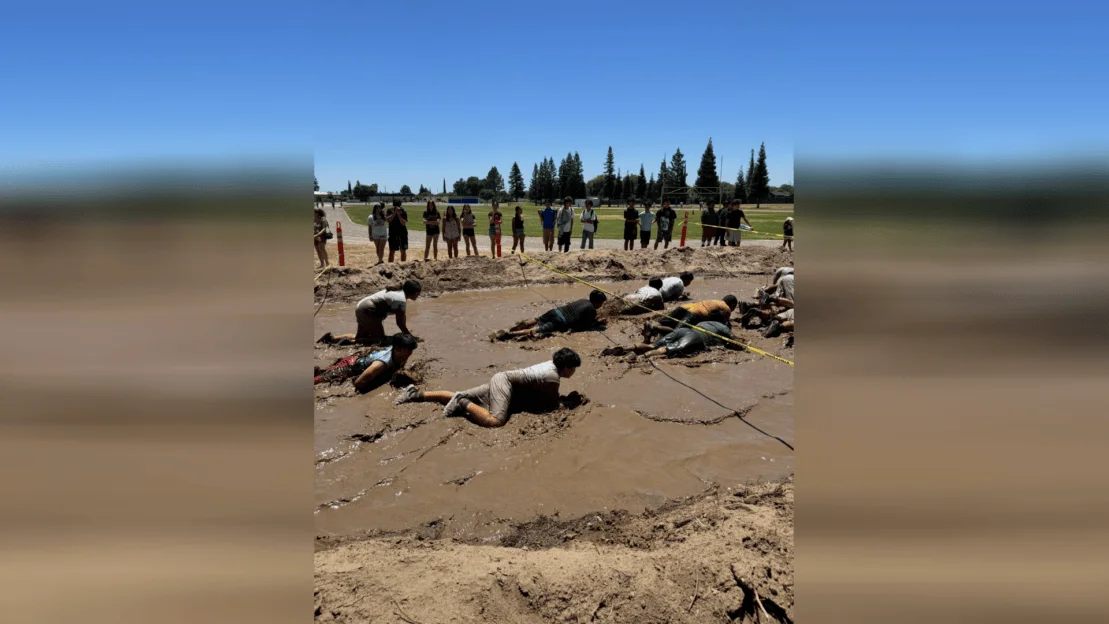
At Prescott Junior High in Modesto, California, physical education is built around a simple idea: give students a clear challenge, then let them discover how far they can go. The school’s program has used demanding fitness tests and visible milestones for decades, creating a tradition that former students still talk about around town.
That approach is drawing fresh attention as the Presidential Fitness Test returns and the Presidential Fitness School Innovation Challenge invites schools, districts, and youth organizations to develop repeatable ways to encourage student participation, teamwork, and enthusiasm. Prescott’s experience offers a long-running example of what a high-expectation P.E. program can look like. Current teachers Jason Avelar and Garrett Beal are part of a legacy that began well before either took up the job.

A program shaped by high standards
Prescott’s curriculum was modeled closely on the La Sierra High School physical education program, a widely known fitness model associated with the President’s Council on Physical Fitness in the 1960s. Its local story took a defining turn in 1973, when Prescott P.E. teacher Mark Wilson watched a demonstration of an intense, fitness-centered curriculum and adapted the idea for his own students.
The system Wilson developed gives students a concrete way to track progress. They begin with white trunks and no points. Across 20 fitness tests, performances can earn one, two, or four points. Reaching 60 earns a student red trunks, but the score resets at that milestone because the next level brings harder challenges. A second 60-point run earns blue trunks. Gold and purple levels recognize further achievement, and the school maintains a P.E. Hall of Fame for students who distinguish themselves.
The structure makes improvement visible while ensuring that reaching one milestone doesn’t end the challenge. “The tests at that point get very challenging,” Avelar said. One student moved through the purple level early enough that the teachers created another distinction: custom trunks that students can design themselves after passing purple.
Such standards can look intimidating. Avelar and Beal’s view is that a high bar gives students something substantial to work toward. Some meet it; others come closer than they might have without a demanding target. Either way, the challenge can change a student’s sense of what they’re capable of doing.
Teachers who know the value of training
Beal’s route to teaching included a period as a police officer. He played sports growing up, but a high school wrestling coach introduced him to weight training and helped him see the connection between strength and performance.
“It was the first sport where I saw that being strong helped,” he said. “I fell in love even more with fitness than wrestling.”
Avelar found his interest in weight training while playing high school football. As a linebacker, he also developed leadership skills that his coaches and teachers noticed. They encouraged him to consider teaching, a suggestion that helped shape his career.
“I had a few coaches and teachers pull me aside and said, ‘Hey, I think you’d be a great teacher.’”
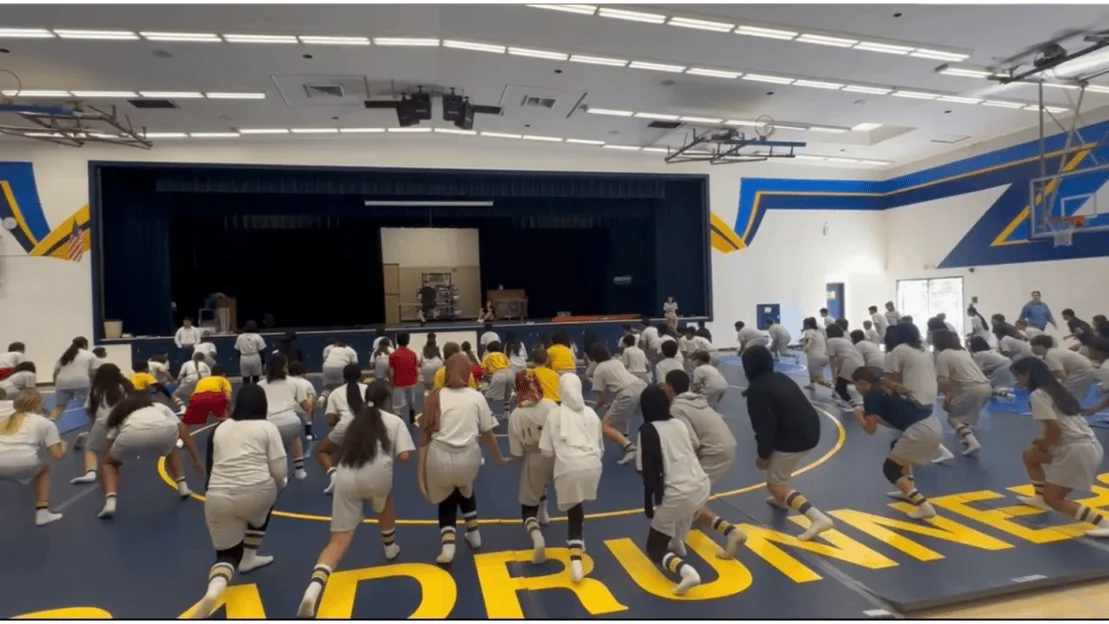
Both men now teach within a program whose expectations are familiar to many people in Modesto. Some of Prescott’s current teachers attended the school themselves, and Beal says former students regularly recognize the school shirt he wears around town. The connections can span generations: at a book club, a man saw a family name on the school’s Hall of Fame wall and told Beal, “Yeah, my grandma.”
Results that stay with students
The reported feats at Prescott are striking: one student completed a two-mile run in 12 minutes and 27 seconds; another performed more than 6,000 continuous sit-ups; and multiple students reportedly completed more than 1,000 pushups without stopping. Those numbers capture the program’s intensity, but Avelar and Beal also point to a broader outcome: students leave with experience setting goals, pushing through difficulty, and seeing progress for themselves.
The teachers say the transition to high school can make Prescott’s approach easier to appreciate in retrospect. The P.E. programs students encounter later may not be as intense, but many continue pursuing fitness after they leave. Others only recognize the value of the experience once they’re no longer part of it.
“As they leave, they realize ‘Oh crap, this is a super special place,’” Avelar said.
For Avelar, the daily reward comes from seeing students reach goals and attempt things they haven’t done before. He described watching their excitement as they push themselves as the reason he keeps showing up. Beal echoed the sense of attachment, calling Prescott “such a special place to be.”
A model built around participation
On July 31, 2025, President Donald Trump signed an executive order restoring the Presidential Fitness Test and the President’s Council on Sports, Fitness, and Nutrition. The administration later announced the Presidential Fitness School Innovation Challenge, which asks schools, districts, and youth-serving organizations to create approaches that encourage participation, teamwork, and enthusiasm for the test. The number of schools expected to enter hasn’t been announced.
Avelar and Beal welcomed the test’s return and hope it encourages more P.E. programs to make fitness an active part of students’ lives. Prescott’s experience suggests that structure matters: students have defined tests, immediate feedback through points, and milestones that mark continued effort. The program’s history also shows how a school’s approach can become part of the community, with former students carrying the memories—and, in many cases, their fitness habits—into adulthood.
For more information about the Presidential Fitness Test and the School Innovation Challenge, visit fitness.gov. Prescott shares updates on Instagram at @prescott_standard; Beal and Avelar are on LinkedIn.
M&F Senior Military Editor Rob Wilkins contributed to this Fit to Serve article.


Discussion
Sign in to join the discussion.