Allulose tastes and behaves much like sugar, but dose-related digestive effects limit how much people can consume.
Allulose has several traits that make it an appealing sugar substitute: it tastes and behaves much like sugar, contributes little energy, and doesn’t appear to raise blood glucose. The catch is dose. Human studies report substantial digestive symptoms at amounts that are within reach when sweetening drinks or replacing the added sugar in a typical diet. My read is that allulose may suit modest uses, but its sugar-like performance doesn’t mean it can replace sugar gram for gram in every product.
A natural sugar made at industrial scale
Sweeteners have tended to trade one set of drawbacks for another. Ordinary sugar and high-fructose corn syrup are inexpensive but add calories and are associated with health problems including obesity, type 2 diabetes, cavities, and metabolic syndrome, as described in this review. Artificial sweeteners offer very few calories, but research has raised questions about possible effects on glucose regulation and the gut microbiome. One study reported that artificial sweeteners altered the microbiome and induced glucose intolerance; another described the resulting metabolic changes as “the counterintuitive effect of inducing metabolic derangements” (study). Sugar alcohols such as sorbitol, xylitol, and erythritol bring their own practical concern: digestive effects, including laxative symptoms.
Allulose belongs to a newer category, often called rare sugars. It occurs naturally in small quantities, and fructose can also produce it when heated. Manufacturers can now make it in much larger amounts using enzymes and genetically modified microorganisms. That production method complicates the simple description of allulose as a natural sugar. A paper in Frontiers in Bioengineering and Biotechnology describes it as “a real and natural sugar rather than an artificial sweetener,” while the cited production research discusses “functionalized polyhydroxyalkanoate (PHA) nano-beads decorated with D-tagatose 3-epimerase (DTE)” and recombinant bacteria (review; production study).
The name has changed, too. Allulose was previously known as psicose, a name derived from the antibiotic from which it was isolated (source; review). The International Society of Rare Sugars defines rare sugars as those “present in limited quantities in nature” (definition). The label describes its natural abundance, not the scale at which modern manufacturing can produce it.

Familiar performance, with meaningful differences
Allulose is about 70% as sweet as table sugar, yet its taste, texture, and performance are reported to be close to those of regular sugar. It doesn’t appear to feed cavity-causing bacteria in the way sugar does, and it doesn’t appear to raise blood sugar, including in people with diabetes (dental evidence; review).
Its calorie count is also low, though “zero calories” is a labeling description rather than a precise measure of energy. Allulose may provide about 1.5 calories per teaspoon, roughly similar to erythritol. That’s a small amount, but the distinction matters when comparing sweeteners or interpreting labels. Those advantages make allulose interesting for foods where sugar’s taste and physical properties matter. They don’t settle how much a person can comfortably consume.
Food exposure is not the same as evidence at higher doses
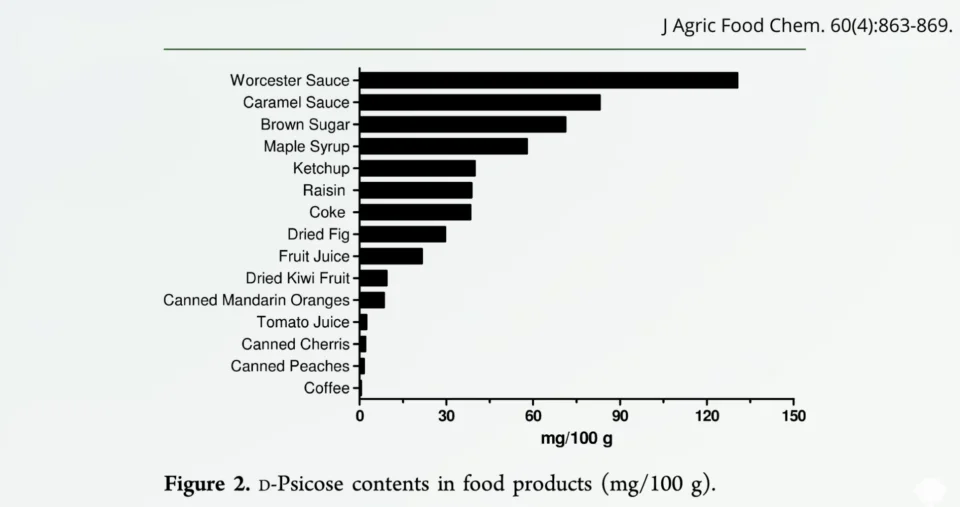
Because allulose occurs in foods, the U.S. Food and Drug Administration granted it “generally recognized as safe” status. But the earlier presence of small amounts in the food supply doesn’t, by itself, answer questions about regular consumption of the much larger quantities made possible by industrial production. One source cited in the discussion describes the naturally occurring amounts as only a few dozen milligrams—roughly a tiny fraction of a teaspoon (review; safety discussion).
There is also a documented allergy case that illustrates why incidental exposure and concentrated use are different questions. A patient repeatedly developed hives after eating foods such as spaghetti, hamburgers, and cakes. The reported explanation was an allergy to allulose, which can form when fructose is heated and is created incidentally during the production of high-fructose corn syrup (study). A single case cannot establish how common such reactions are, but it does show that allulose’s presence in ordinary foods is not proof that every person tolerates it.
The dose is where the promise runs into limits
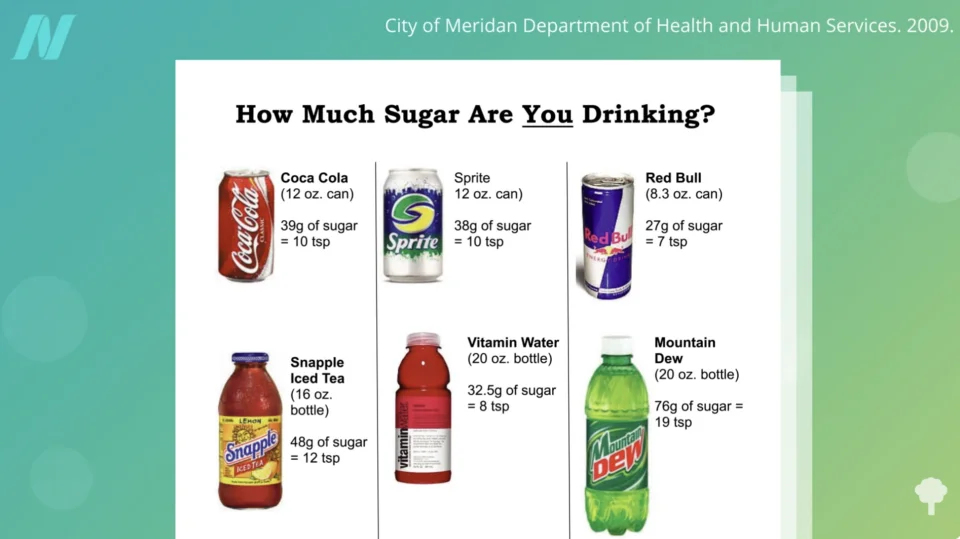
In a human study that gradually increased the amount consumed, severe gastrointestinal symptoms weren’t reported until a single dose reached 0.4 grams per kilogram of body weight. That may correspond to about seven teaspoons; severe diarrhea occurred at around nine teaspoons (study). Those quantities can arrive quickly in a sweetened beverage. A can of Coke contains about 10 teaspoons of sugar, while a bottle of Mountain Dew contains nearly twice as much (sugar comparison).
That makes allulose a poor fit as the sole sweetener in a sugary drink if the goal is to match the drink’s usual sweetness. Its lower sweetness per teaspoon compounds the challenge: a manufacturer may need more allulose to reach the same taste, even as larger doses increase the chance of digestive trouble.
Daily intake matters as well as the size of each serving. The cited study reported severe nausea, diarrhea, abdominal pain, and headaches when consumption reached around 17 teaspoons a day, depending on body weight. The source suggests keeping single doses below about seven teaspoons and total daily consumption below roughly 15 teaspoons. These figures are study-based thresholds, not a guarantee that everyone will tolerate those amounts. For context, the average American was estimated to consume 17 teaspoons of added sugar per day (USDA data). Replacing all of that sugar with allulose would therefore push many people toward amounts that raise practical tolerability concerns.
Safety evidence has boundaries
Comparisons with other sweeteners offer context, but they don’t remove the need to consider dose. Allulose is described as “relatively nontoxic” (source). In dogs, a dose of about half a teaspoon of xylitol can be life-threatening for a 30-pound animal, while a similar amount of allulose apparently wouldn’t cause a problem. More than half a cup at once could still make a dog sick, according to a single-dose study (study).
A separate study followed healthy 30-pound dogs for a few months at about 1.5 teaspoons per day and reported no apparent harmful effects. Their cholesterol fell, prompting the researchers to suggest further clinical studies into whether allulose might have a role in veterinary care for overweight dogs (study). That result is preliminary and specific to the study conditions; it doesn’t establish a benefit for people.
Allulose’s single-dose digestive limit is described as similar to xylitol’s. Erythritol appears to allow somewhat larger single amounts in the comparison cited: about 14 teaspoons for an average-weight U.S. man and 15 for an average-weight woman. Even those amounts fall short of the sugar in a bottle of Coke, though smaller uses—such as sweetening tea or sprinkling it on grapefruit—may be more practical (comparison).
A useful substitute in measured amounts
Researchers and advocates have suggested that rare sugars such as allulose may have additional health effects compared with erythritol (review; review). That possibility remains a separate question from whether allulose can safely and comfortably replace large quantities of added sugar. The current evidence described here points to a more restrained use case: allulose can offer a sugar-like experience with little effect on blood glucose, but serving size and digestive tolerance shape what it can realistically replace.
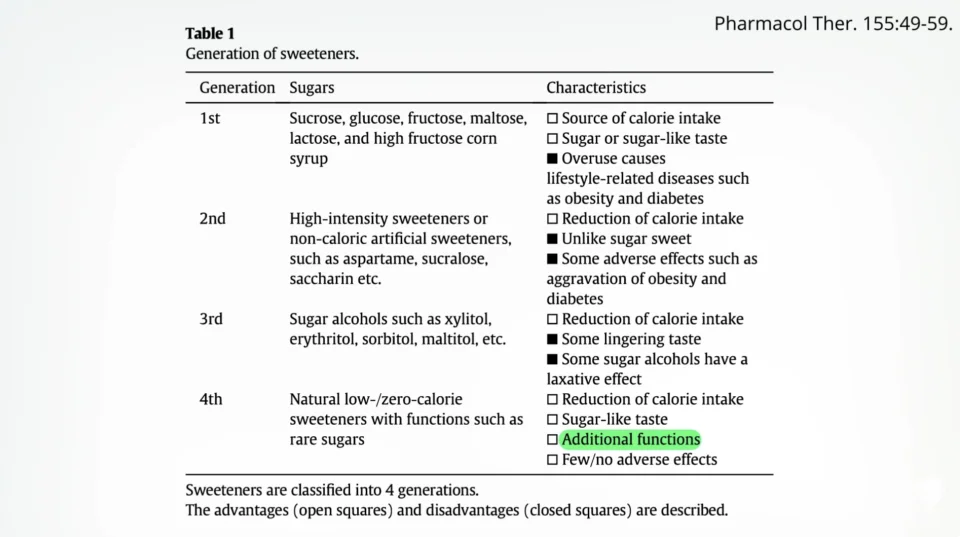
The next question is whether rare sugars like allulose provide health benefits beyond their role as sweeteners. That requires evidence of its own; for now, the clearest practical takeaway is to treat allulose as a low-calorie option for measured use, not a drop-in replacement for every teaspoon of sugar.
Doctor’s Note
Are Rare Sugars Like Allulose Actually Healthy? That’s the next blog.
Other videos on sweeteners:


Discussion
Sign in to join the discussion.