Research finds lower bone density among vegetarians largely tracks with smaller body size; the remaining differences appear small and may have limited clinical significance.
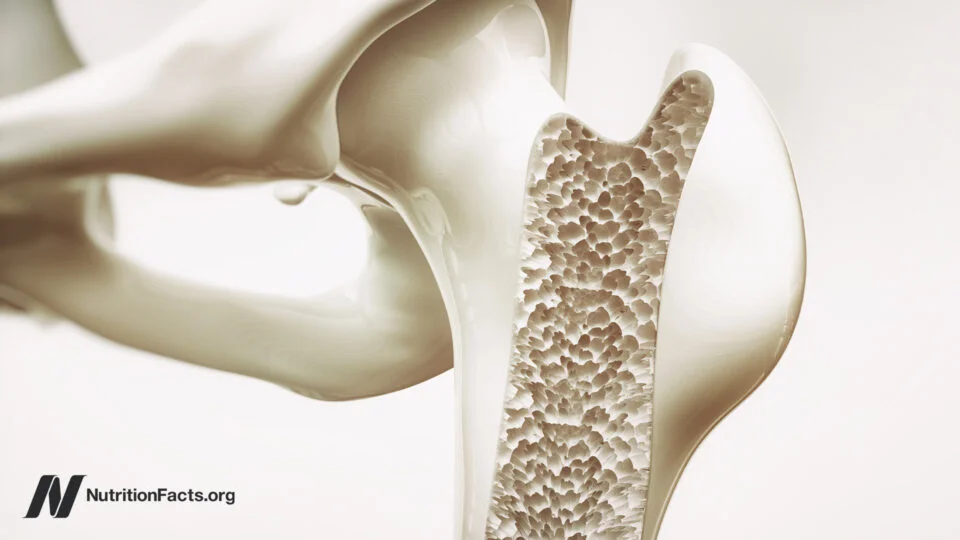
The apparent bone density gap between vegetarians and meat-eaters narrows substantially when researchers account for body size. That shifts the focus from diet labels alone to a factor that strongly affects the forces bones experience: how much weight a person carries.
Bone mineral density (BMD) is a strong predictor of osteoporotic fractures, and osteoporosis affects an estimated 200 million people worldwide. The condition weakens bones through excessive bone loss, reduced bone formation, or both. Plant foods contain micronutrients and phytochemicals that may support bone health, and higher plant food consumption has been associated with greater BMD. By contrast, research has linked an animal-sourced nutrient pattern with higher fracture risk. Those associations, though, don't settle how vegetarian diets relate to bone density once other differences between groups are considered.
Early findings got the direction wrong
A study published nearly 50 years ago, “Incidence of Osteoporosis in Vegetarians and Omnivores,” reported higher bone density among vegetarians. Its authors even found that vegetarians in their 70s had higher average readings than meat-eaters in their 50s, and suggested vegetarians might be less likely to develop osteoporosis in old age.
That result rested on a measurement error. The researchers used conventional X-rays, before DEXA scanning became available in the 1980s. They interpreted darker bones in the images as having greater density, when darker readings indicated less bone mass. Correcting that interpretation would have reversed the study’s conclusion: the vegetarians had lower BMD.
Later research generally found a small difference in the same direction. A review of nine studies involving thousands of people concluded that vegetarian diets, particularly vegan diets, were associated with lower BMD. The authors judged the size of the difference clinically insignificant and concluded that vegetarian diets had no clinically detrimental effect on bone health.
Why body weight changes the comparison
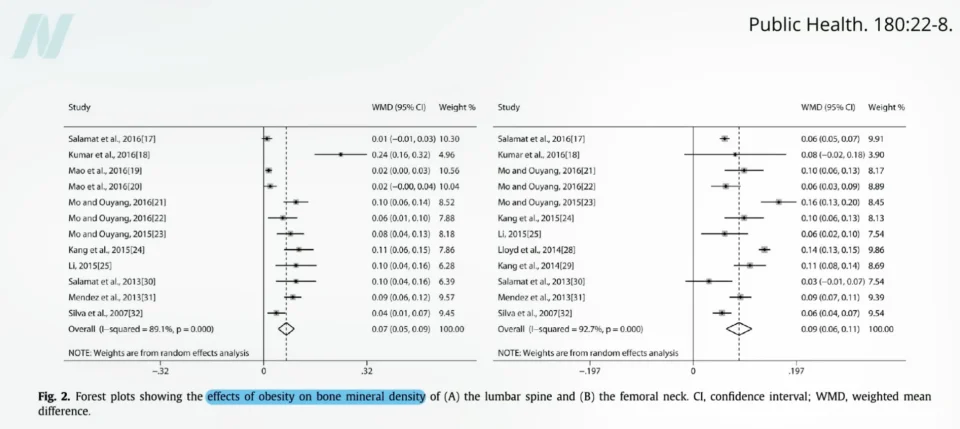
Weight is a key factor because bones respond to mechanical load. Carrying more body weight places greater demands on the skeleton, much as weight-bearing exercise does. People with obesity tend to have stronger bones, and research has repeatedly linked higher body weight with higher BMD.
Vegetarians, and especially vegans, tend to have lower rates of obesity than people who eat meat. A comparison that doesn’t account for body weight can therefore make diet appear more closely tied to bone density than it is. In 2009, researchers noted that studies reporting lower BMD among vegetarians had not fully controlled for differences such as body weight. Their assessment was that vegetarianism was not a serious risk factor for osteoporotic fracture.
A 2018 meta-analysis covering 20 studies and tens of thousands of participants again found lower BMD among vegetarians and vegans than among meat-eaters. It recommended that vegetarian and vegan diets be appropriately planned to preserve bone health. But the analysis used crude risk ratios, which don’t adjust for potential confounding factors. Age, smoking, obesity, and exercise could all affect the comparison, making the unadjusted results difficult to interpret.
Researchers addressed that limitation in 2020 by examining how body size affects the differences between adult vegetarians and nonvegetarians. BMD values were lower among vegetarians in the initial comparison, but the gaps became marginal after accounting for body size measures such as BMI and waist circumference. The findings point to a straightforward explanation: much of the difference reflects the fact that vegetarians tend to be slimmer, rather than the composition of their diets alone.
A small remaining difference
One difference remained statistically significant after adjustment: total lower spine density was 0.03 g/cm2 lower among vegetarians. The researchers considered that gap of little clinical relevance. To assess that judgment, it helps to consider how much BMD readings can vary when measurements are repeated in medical practice.
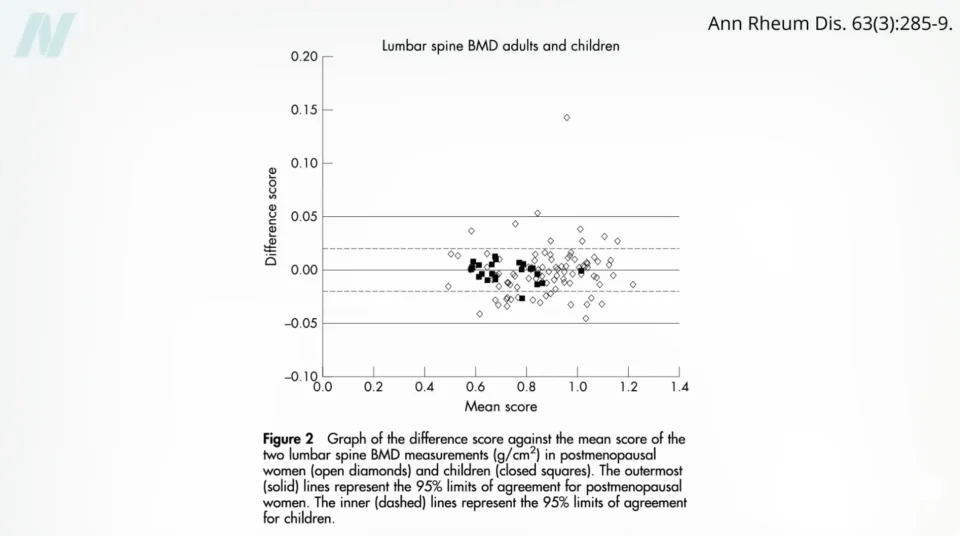
Repeated scans can produce some variation even when a person’s bones haven’t meaningfully changed. The smallest detectable difference at the spine is about 0.05 g/cm2, so a disparity of 0.03 g/cm2 falls below the level needed to distinguish a real change from measurement variability.
That doesn’t mean body size removes every bone health concern. Low BMI is itself a risk factor for fractures, and people with low body weight may warrant monitoring for osteoporosis regardless of their diet. The more useful reading of the evidence is that a lower BMD average among vegetarians doesn’t, on its own, show that vegetarian eating causes clinically meaningful bone loss.
What the evidence can and can’t tell us
The studies summarized here focus on BMD, a useful predictor of fracture risk, but BMD isn’t the same as fracture rates. The evidence described does not resolve whether vegetarians and meat-eaters experience different rates of bone fractures. That question needs to be evaluated directly.
For now, body size is central to interpreting comparisons between dietary groups. Once researchers account for BMI and waist circumference, most of the observed BMD difference fades, while the small remaining spine gap sits below the cited threshold for a detectable change. The practical takeaway is to consider weight and other risk factors alongside diet when assessing bone health—and to look for fracture data before drawing broader conclusions about outcomes.

Discussion
Sign in to join the discussion.