A review of 24 studies found the strongest bone-formation marker responses in explosive, multi-directional activities, while resistance training still supports skeletal health.

What the analysis found
Weight training supports bone health, but a new analysis suggests the strongest short-term responses in bone-formation markers may come from exercise that adds impact, speed and changes of direction. That finding puts the emphasis on how the body is loaded, as well as how hard a muscle works. It doesn't mean lifting has failed; it suggests that different forms of exercise may send different signals to bone.
Published in Sports Medicine—Open, the meta-analysis examined 24 clinical studies involving 1,238 healthy adults. Recreational soccer and handball ranked among the activities linked to the largest responses, with some bone-formation markers rising by as much as 45 to 46 percent. Walking, jogging, step aerobics and conventional resistance training produced smaller responses in the measures reviewed. Those comparisons concern the markers measured in the studies, not a direct ranking of long-term fracture prevention or bone strength.
That distinction matters. Bone-formation markers are indicators researchers can track over a shorter period; they aren't the same thing as evidence that participants built stronger bones, avoided fractures or benefited for years. The results offer a useful clue about exercise and skeletal response, but the analysis doesn't establish that recreational soccer or handball is the best choice for every person.
Why impact and direction may matter
Bones adapt to mechanical stress. The analysis points to a possible advantage when forces arrive quickly and from varied directions, as they do during sprinting, jumping, cutting and stopping. A controlled lift can challenge muscles intensely while exposing the skeleton to a more predictable pattern of loading than a field sport does. The contrast is less about one activity being useful and another being useless than about the different demands each one places on the body.
In a sport with running and changes of direction, the body repeatedly encounters forces that vary in timing and direction. That variety may help explain why some activities in the analysis produced larger short-term changes in bone-formation markers. But the study findings, as described, don't prove that variety alone caused the difference; exercise type can involve several overlapping features, including impact and movement speed.
Here's the thing: a strong muscle response doesn't automatically translate into the same-sized skeletal response. The two systems work together, but they aren't interchangeable measures. For people choosing an exercise routine, that means the familiar gym question—how much weight can you lift?—may not capture every factor relevant to bone.
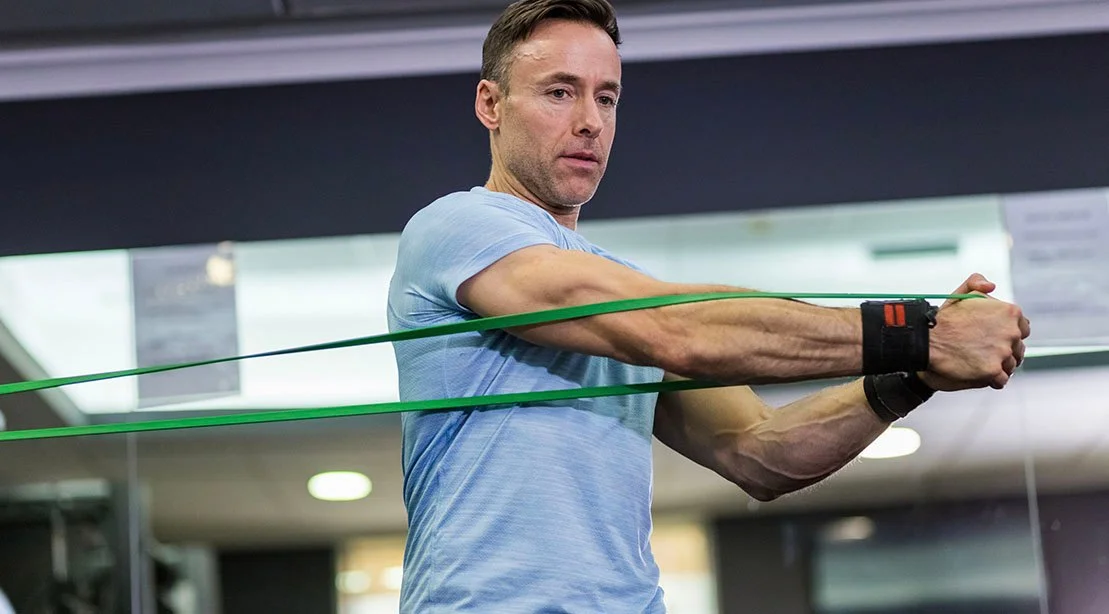
These findings don't make resistance training irrelevant. Strength work remains supported by evidence for skeletal health, and it builds muscle, balance and physical function. The more measured takeaway is that lifting may be only one part of a broader approach to bone health.
What the numbers can tell us
A reported increase of as much as 45 to 46 percent sounds striking, and this is more significant than it looks when it challenges the assumption that all exercise loads bone in much the same way. But the percentage refers to some bone-formation markers, not a 45 to 46 percent increase in bone density or a comparable reduction in fracture risk. The size of a marker change can't be read as a direct measure of clinical benefit.
The analysis also pooled results from 24 studies, which gives readers a wider view than a single experiment can provide. Even so, pooled findings depend on what the included studies measured and how the activities were carried out. The summary doesn't provide enough detail to say how long each program lasted, whether participants followed identical routines, or whether the marker changes persisted after training ended.
That said, the results can still inform a sensible question: what kinds of movement are missing from a person's routine? If you're working in this space, the practical value may be in treating impact and multidirectional movement as possible complements to strength work, while keeping the limits of short-term markers in view. A suggestive signal, not a prescription.
Match the activity to the person
High-impact sport isn't a sensible starting point for everyone. Older adults concerned about osteoporosis may need to avoid sudden jumps, sprints and sharp direction changes, especially without guidance suited to their abilities. The studies involved healthy adults, so their results don't establish a safe prescription for people with fragile bones. A finding in one group can't simply be transferred to another with different risks or physical capacity.
Exercise choices also have to fit what a person can do consistently. A sport that creates varied loading in theory may be a poor option for someone who can't participate safely or comfortably. Lower-impact movement and supervised strength work may better match that person's needs, even if the markers in this analysis responded less strongly to those activities.
For younger, healthy adults, the findings offer a reason to look beyond highly controlled gym routines. Machines and isolation exercises can serve specific training goals, but they don't reproduce the varied forces of running, jumping or playing a sport. Adding athletic movement could complement strength work and expose the skeleton to a wider range of loading. The word is could: the analysis suggests a potential benefit, rather than proving a particular mixed routine will produce a better long-term outcome.
Implications for exercise planning
For readers deciding what to do with the findings, variety is a reasonable interpretation, provided the activity fits their health and ability. Someone already lifting might consider whether suitable movement involving impact and changes of direction belongs in their routine. Someone new to exercise shouldn't treat the strongest marker response in the analysis as an instruction to start a demanding sport abruptly.
There are practical questions the study summary can't answer. It doesn't identify a single ideal schedule, a minimum amount of impact, or a universal progression from strength training to sport. Those details matter because exercise is shaped by age, training history and individual health, and because a marker response alone doesn't show how a program affects bone over the long term.
Keep lifting, and consider including suitable activities that involve impact and movement in multiple directions. The practical message is variety: bones, like muscles, respond to the demands placed on them. The evidence here supports a broader view of those demands, while leaving the right mix to individual circumstances and further research.


Discussion
Sign in to join the discussion.