Army veteran Denny Giamazzo traces how resilience and regular training helped him face hardship, and why he now shares those lessons with others.
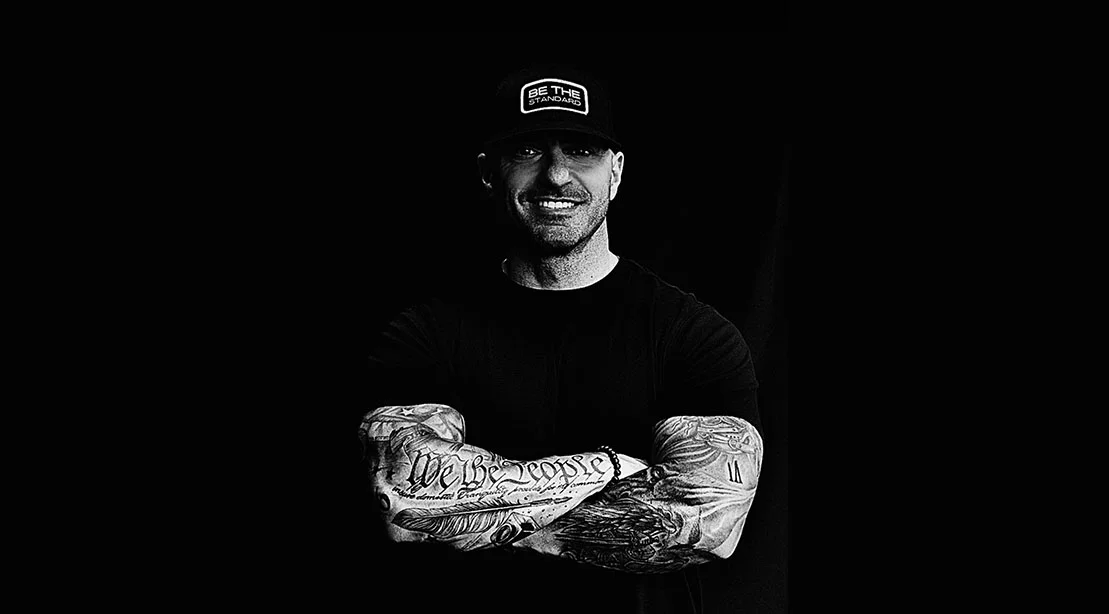
For Denny Giamazzo, resilience isn’t an abstract ideal. It’s a habit he says took shape in childhood, carried him through military service and trauma, and still informs how he trains and works with others. His guiding thought is blunt: “Someone else out there has had it worse. They have come back stronger, and they are doing more with less. I am not allowed to feel sorry for myself.”
That mindset is one way Giamazzo makes sense of a life marked by loss and abuse. It also helps explain why physical training became more than a pursuit of strength. The gym gave him a place to direct effort, test his limits and, in his words, address PTSD. Today, he draws on those experiences in his book, podcast and work as a public speaker and leadership consultant.
A childhood shaped by instability
Giamazzo was born two months premature in Worcester, Massachusetts. He never learned who his biological father was. His mother was often absent for hours or days, he recalled, and an upstairs neighbor would look after him when the neighbor realized he was alone.
When Giamazzo was five, his mother died of AIDS. He entered foster care and eventually lived with his aunt. Later, while his aunt was at work, he stayed with his grandfather. An uncle living in the same home was physically abusive, and the conflict continued into Giamazzo’s teenage years.
Those experiences are painful, but Giamazzo describes one lasting effect in terms of what he was able to build in response. “I think what I took from that was just an insane amount of resiliency,” he said. That sense of inner endurance, in his account, became a reference point when later challenges arrived.
Sports provided another outlet. He played organized baseball before high school, then basketball and football in high school. He was drawn to the effort involved and to discovering what his body could handle. “At a young age, I just loved putting my body through things and seeing what I was capable of.”
Service brought new demands
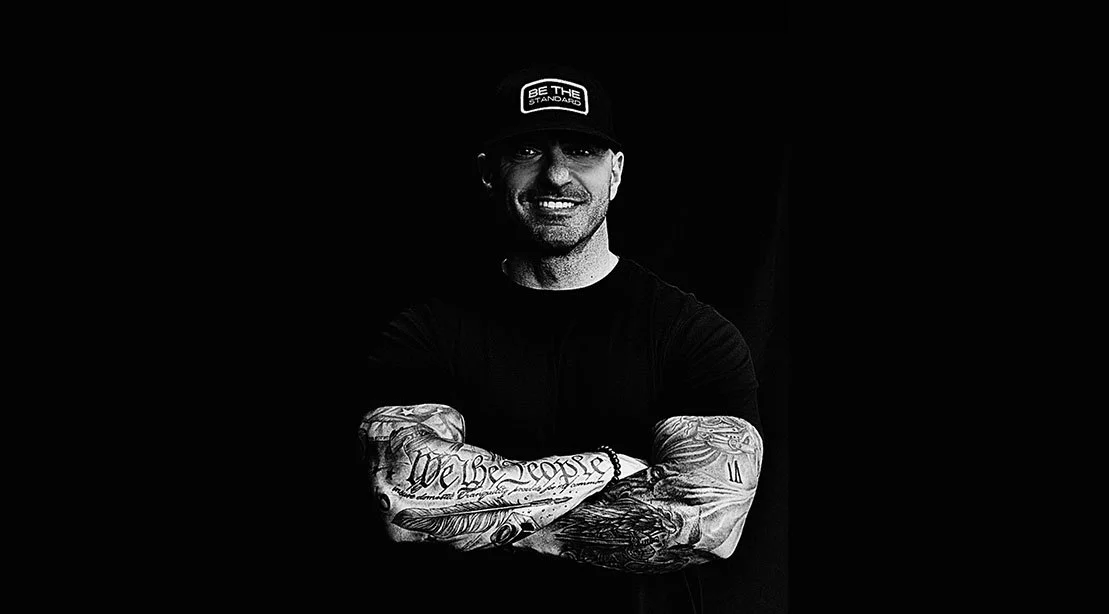
Giamazzo joined the Army in 2006 and served for nearly seven years. He deployed to Afghanistan from 2010 to 2011, working as an infantry team leader. He says he entered the military looking for direction rather than out of a strong desire to serve. Over time, daily life with his fellow soldiers changed how he understood that commitment.
“I really didn’t join with this burning desire to go serve my country or anything like that,” he said. “That’s what it turned into after really getting embedded in that lifestyle and working with the guys I got to work with every day.”
His deployment left physical and psychological challenges. Giamazzo underwent two surgeries on his right shoulder and, like many soldiers, faced PTSD afterward. He says the resilience he had learned early in life helped him meet the pain and uncertainty that followed.
“That inner strength and those lessons of resiliency that I learned early on as a kid have kind of been a barometer for me my entire life,” he explained. “It led me through just about any pain, adversity, or objective that I’ve hit and then had to overcome throughout my entire life.”
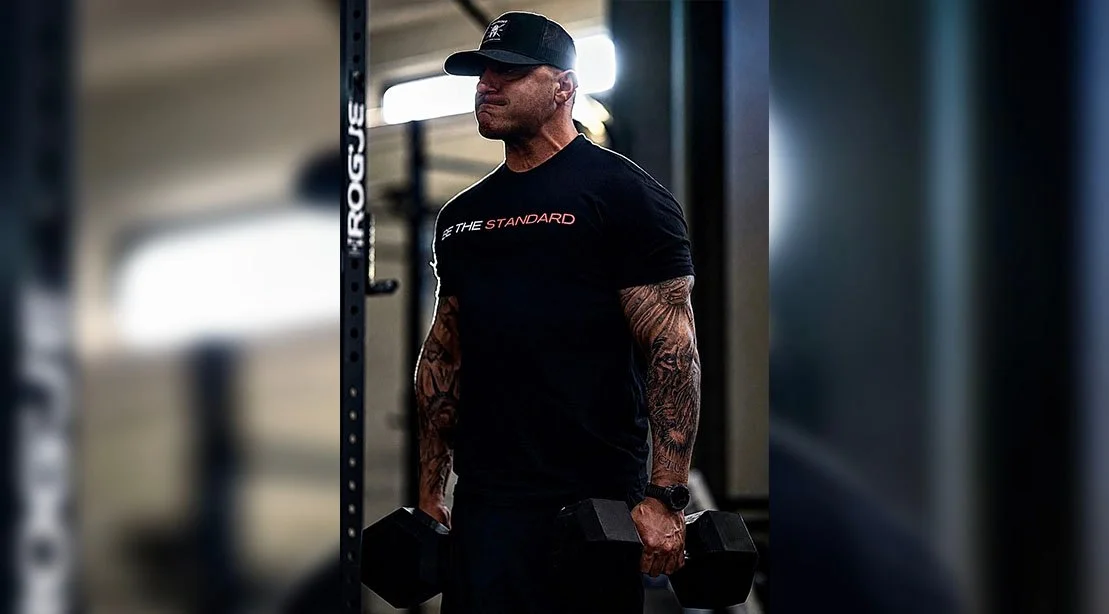
That account places training alongside resilience as a practical part of how he copes. Giamazzo exercises five days a week, alternating weight training and high intensity interval training. One workout he particularly enjoys is CrossFit’s “Cindy.” He describes exercise as a positive, forceful outlet that doesn’t harm anyone else, and says it remains central to his response to PTSD: “It really has been probably the most integral part of addressing my PTSD.”
A 2023 review by researchers at Duke University and Mount Sinai examined exercise as an option for easing depression and found that regular exercise can be as effective as medication. For Giamazzo, however, the point is also personal: training offers routine and a way to put effort toward something he can act on.
Turning personal experience into guidance
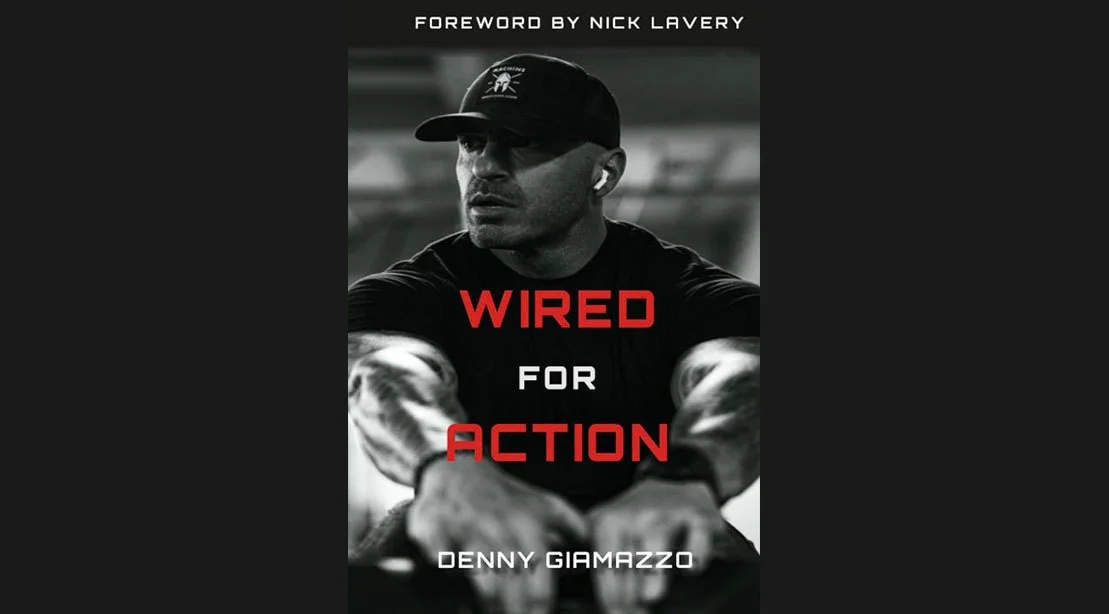
Giamazzo has channelled his experiences into work meant to help other people facing difficult circumstances. His book, Wired for Action, combines autobiography with guidance for readers working through their own challenges. He sees sharing those experiences as a way to challenge the sense of isolation that can accompany hardship.
“It’s easy sometimes to feel like we’re on an island by ourselves,” he said. “That’s just not the case.” The message doesn’t erase what someone has been through. It offers a reminder that struggle needn’t be faced in isolation.
He also hosts the Be the Standard Podcast with co-host Mike Barnes. Their conversations cover men’s mental health, combat trauma, PTSD, identity, personal responsibility, discipline, faith and leadership. In his work as a public speaker and leadership consultant, Giamazzo helps people examine self-destructive habits and consider how to pursue their potential despite trauma.
His advice centers on agency: deciding what kind of person to become and taking actions that support that choice. “I would say that for each individual, it’s on them,” he said. “It comes down to ‘What type of person do I want to be? What action do I need to take to reach those objectives?’”
That framing makes purpose something built through decisions and effort, rather than a feeling that has to arrive first. Giamazzo says that knowing what you want from life, being clear about the person you want to be and putting in the work can provide a substantial sense of purpose. His shorter version is direct: “Take action. Keep moving.”
What the Cindy workout involves
“Cindy” is a CrossFit benchmark workout that uses bodyweight movements and a pull-up bar. It can serve as a demanding full-body session or as a repeatable way to track performance over time. The format is simple: complete as many rounds as possible in 20 minutes.
- 5 pull-ups
- 10 pushups
- 15 air squats
Record the number of rounds completed and use that result as a reference for a future attempt. Beginners can aim for eight rounds, then work upward. The competitive CrossFit standard, known as Rx, is 20 rounds; 25 or more is considered Elite.
For Giamazzo, the workout is part of a larger pattern: meet a challenge, put in the work and keep track of what effort makes possible. That approach runs from the sports he played as a teenager to the training he maintains now, and it underpins the message he shares with others: keep moving, one action at a time.
Wired for Action is available on Amazon. Giamazzo can also be followed on Instagram at @dennygiamazzo.


Discussion
Sign in to join the discussion.