Albertas Krinickis led the 2026 Amateur Olympia in Las Vegas, where champions across eight divisions earned titles and a path to IFBB Pro League competition.
A global stage for emerging talent
The 2026 Amateur Olympia Las Vegas put a clear marker on the next wave of bodybuilding talent: overall winners across eight divisions left with championship titles and, for those who qualified, IFBB Pro League status. Held September 22–23 at the Pearl Theater inside the Palms Casino Resort, the contest was part of Joe Weider’s Olympia Fitness & Performance Weekend.
The event’s location within Olympia Weekend gives amateur competitors a prominent setting and a clear connection to the sport’s professional tier. A title here can mean more than a trophy: for eligible overall winners, it can mark entry into the IFBB Pro League. But that step changes the competitive context. Athletes move from proving themselves against amateur fields to testing their physiques and presentation against established professionals.
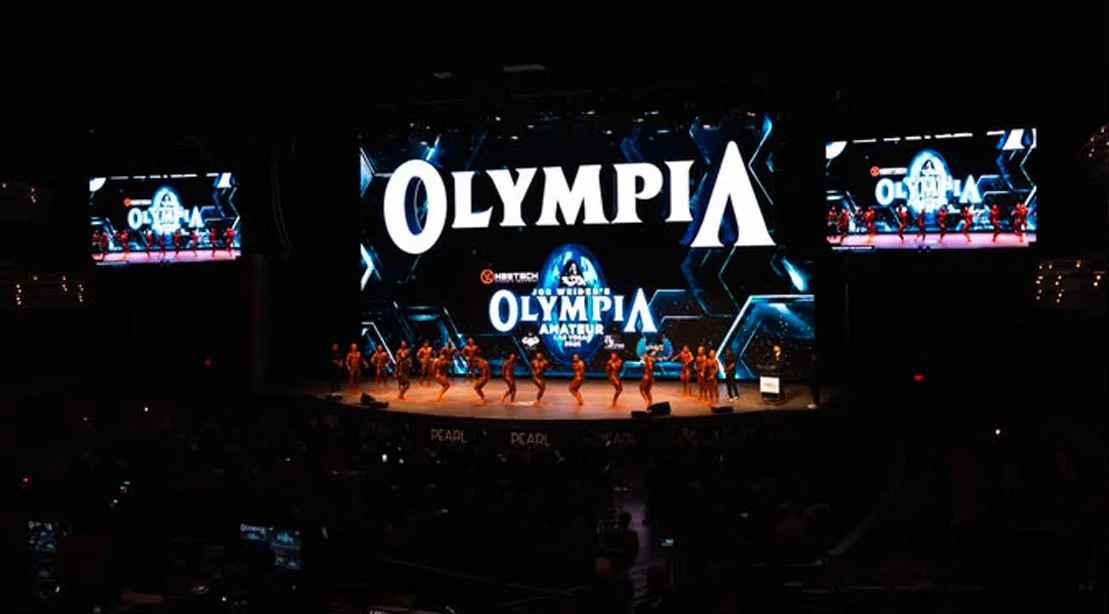
The results span Men’s Bodybuilding, Classic Physique, Men’s Physique, Women’s Bodybuilding, Women’s Physique, Figure, Bikini, Wellness and Fit Model. The international field made the weekend a useful snapshot of where amateur physique competition is producing athletes ready to move into the professional ranks.
That breadth matters because “physique competition” covers divisions with different standards and priorities. Some reward greater muscular development, while others place more emphasis on balance, conditioning, shape or stage presentation. The winners therefore represent several distinct paths through the sport, not a single template for what a successful competitor should look like.
Men’s overall champions
Lithuania’s Albertas Krinickis took the Men’s Bodybuilding overall title and earned an IFBB Pro League card. At 20, he won after moving from Classic Physique into open bodybuilding, a shift that makes the result stand out beyond the title itself.
Changing divisions can demand a different approach to physique development and stage comparison. Krinickis’s result suggests that his move into open bodybuilding was more than a change of category: it required him to present a larger physique while still making the structure and conditioning count. The win offers a striking example of how quickly an athlete’s competitive identity can change when training and development support a new direction.
Krinickis described the jump in his own terms after the show: “From 12th place in Classic Physique to an Open Bodybuilding Overall Champion!” He also said he had competed at around 200 pounds the previous year and weighed 240 pounds onstage in Las Vegas. “The work done on mass and structure paid off every bit of effort,” he said in comments translated from a post-show interview.
Those figures give a sense of the physical change he associates with the division switch, though weight alone can’t explain a judging result. In bodybuilding, added size has to work alongside structure and stage condition; the challenge is presenting the whole package well under the standards of the category. That’s why the transition is notable. A larger number on the scale is only part of the story.
Germany’s Rene Hildebrand won the Classic Physique overall, while Peru’s Edward Alonso Guillen Alva claimed Men’s Physique. Both earned professional status through their victories. Together with Krinickis, their wins underline how the amateur event brings athletes with distinct competitive backgrounds onto one international stage.
The three men’s titles also illustrate how the route to professional status doesn’t require competitors to converge on one physique. Classic Physique, Men’s Physique and open bodybuilding each set a different visual brief. If you're working in this space, that distinction matters: an athlete’s development plan has to serve the division they’re entering, and success in one category doesn’t automatically settle how they’ll fare in another.
Women’s division results
The women’s categories produced five overall champions. Haley May of the United States won Women’s Bodybuilding, and Australia’s Nicole Beeforth captured Women’s Physique. Beeforth’s result carries a particular national milestone: according to the GMV International Museum of Bodybuilding, she became the first Australian woman to earn an IFBB Pro League card at the Las Vegas Amateur Olympia.
A milestone like that gives an individual result a wider meaning for competitors following the pathway from outside the United States. It doesn’t erase the work involved in qualifying and winning, but it makes the achievement easier to place in national context. Beeforth’s card shows how the event can connect international amateur success with professional opportunities on a high profile stage.
Kerri Ferns, also representing the United States, won Figure. Nicole Grumblatt took Bikini, Ana Carolina De La Mora topped Wellness, and Alissa Christine claimed Fit Model. Those divisions reward different balances of muscularity, symmetry, conditioning and stage presentation, giving competitors several routes to an overall title within physique sport.
The variety also cautions against reading the women’s results as one combined ranking of physiques. Each category applies its own judging priorities, and the differences shape what competitors prepare to show. The same athlete can’t assume that a presentation suited to one division will translate directly to another. Five champions, five distinct competitive outcomes.
A professional threshold during Olympia Weekend
The Amateur Olympia’s role is straightforward: it gives competitors an international platform where an overall win can open the door to IFBB Pro League contests. That transition changes the field an athlete faces, bringing them into competition with established professionals and creating a new set of performance benchmarks.
The card marks access, not a guarantee of immediate success. Professionals face a different level of comparison, and athletes must continue adapting their physiques, conditioning and stage presentation as they enter that field. For a new pro, the first task is to understand where their strengths fit and what the next level asks them to improve.
Cayden Riley, producer of Amateur Olympia Las Vegas, said the level of competition continues to rise as athletes arrive from around the world. He credited Jake Wood and Dan Solomon with emphasizing the athlete experience, and said the event aims to give competitors a stage worthy of the Olympia name. Riley added that watching athletes earn Pro cards and reach that milestone is a rewarding part of the competition.
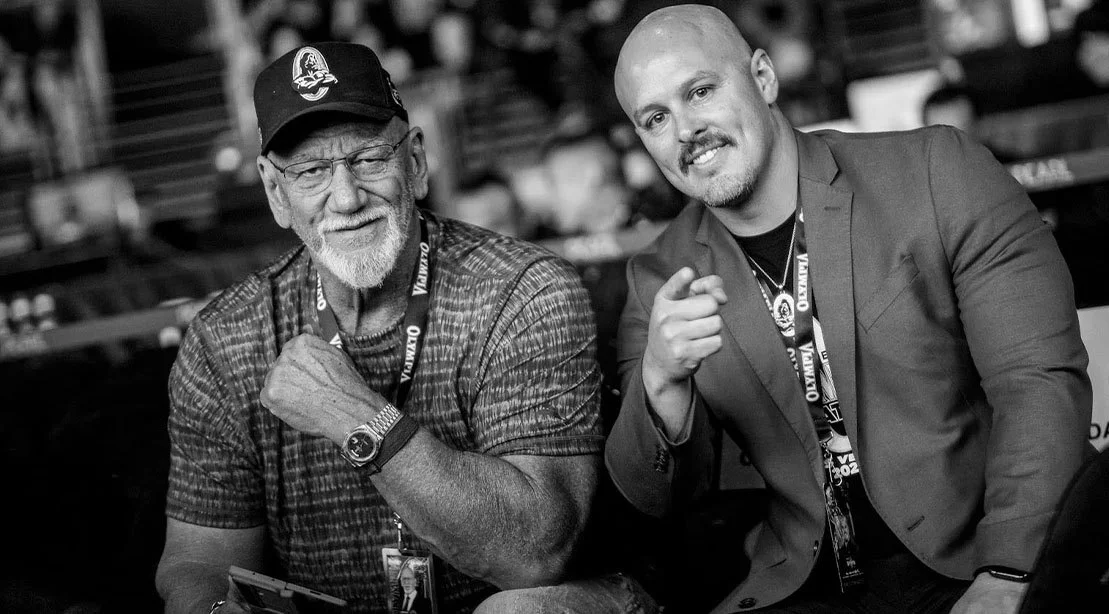
Riley’s comments frame the event from the organizer’s side: the contest is both a competition and an experience built around athletes reaching a career milestone. That framing is understandable, though the practical measure for competitors comes after the applause, when they have to decide how to develop for professional shows. The event can offer a meaningful stage; the next results will depend on what athletes do with the opportunity.
What the results signal next
For this year’s champions, the Las Vegas titles are a starting point. The next measure will be how they adapt their physiques and stagecraft to professional competition, where the Amateur Olympia’s international exposure gives them an early introduction to a broader bodybuilding audience.
This is more significant than it looks: a single weekend can bring together athletes from different countries and divisions, then give some of them a direct step toward professional competition. Yet the title and the card answer only one question—who prevailed in this field at this event. A longer career depends on how each athlete responds to new opponents, judging standards and the demands of presenting consistently.
That said, the event’s value is clearest in the pathway it makes visible. For spectators, the winners offer a first look at athletes who may become familiar names in professional shows. For competitors, the weekend supplies a benchmark and a transition point. And for the sport, a broad international field keeps the amateur ranks connected to the professional stage.
Potential, then, with the next test still ahead.


Discussion
Sign in to join the discussion.