RunSource combines vetted running health guidance, AI symptom support and training programs to help runners navigate injuries and find care.
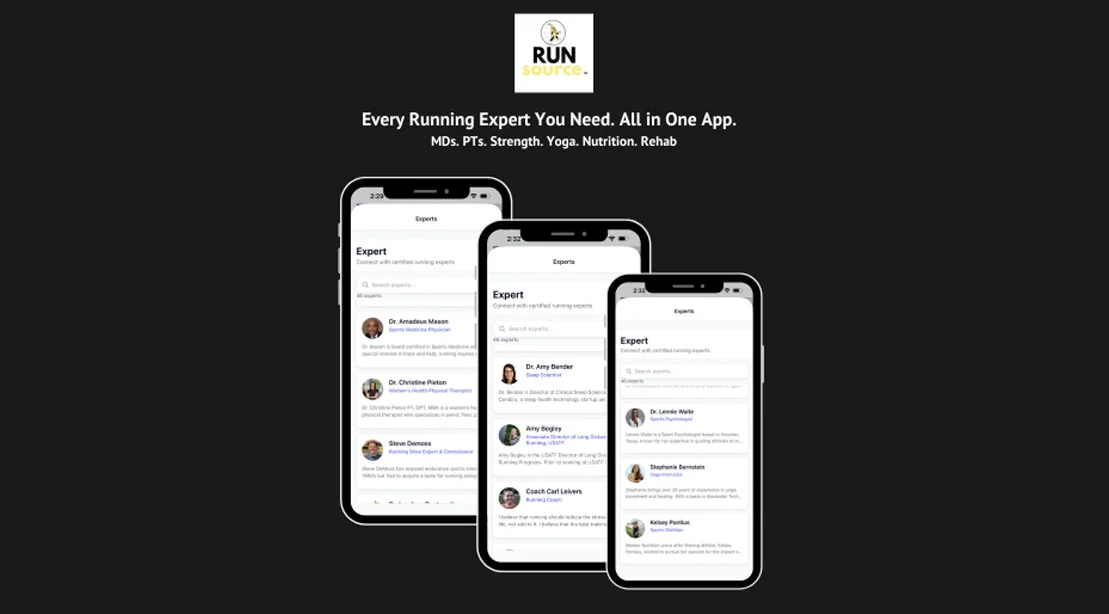
RunSource takes a model of coordinated care built for elite athletes and makes its educational tools available to recreational runners. Created by Atlanta physical therapist Kate Mihevc Edwards, the app aims to help people make sense of running injuries, adjust training and identify when they need a clinician.
Edwards, who has spent more than 16 years treating runners, says many arrive after consulting several providers without getting a clear explanation. In her view, the central problem is often fragmented care: clinicians and specialists aren’t communicating, leaving runners to piece together advice on their own.
That gap is familiar to Edwards personally. A cardiac diagnosis forced her off the road and sent her through repeated tests and specialist visits without answers. The experience shaped her approach to patient care and, eventually, the three years she spent building RunSource.
A coordinated care model, adapted for wider access
Six years ago, Edwards helped create an integrated medical team for Atlanta Track Club Elite athletes. Physical therapists, a sports dietitian, a sports psychologist, a mental performance coach, a chiropractor and a physician meet weekly to discuss athlete health. This season, the program recorded its first year without a bone stress injury. Edwards credits the team’s coordinated approach.
Recreational runners rarely have access to that kind of support. Specialists may be out of network, several appointments in one week can become costly, and running focused clinicians can be hard to find outside major cities. Distance adds another barrier for people who can’t travel to Atlanta.
The consequences extend beyond the injury itself. When runners receive conflicting advice or no clear diagnosis, Edwards says they may doubt their own symptoms. Some stop running out of fear; others continue training and aggravate the problem. The uncertainty can also contribute to anxiety or depression.
Expert reviewed guidance and AI tools
RunSource launched with more than 40 running health professionals contributing material in physical therapy, sports medicine, registered dietetics, certified strength coaching and sports psychology. Edwards says each contribution goes through an “expert filter,” a review process modeled on the clinical standards used at her practice, Precision Performance and Physical Therapy.
Two AI agents handle different questions. Katherine guides users through an educational symptom checker based on protocols Edwards uses in her clinic. Andrew answers general running questions from a curated collection of peer reviewed research and expert created content. The agents are designed to acknowledge uncertainty: when they don’t have an answer, they say so. If Katherine identifies signs that could indicate a bone stress injury, it directs the user to see a physician.
The app’s resources include injury education, physical therapist designed programs for common running injuries, strength plans to support a return to running, and guidance on nutrition, training load and recovery from dietitians and certified coaches. Users can also view contributor profiles and contact information.
Edwards sees education as the app’s core function. “Ninety percent of an appointment is the education and what you need to do to help yourself,” she says. RunSource is built to make more of that practical guidance accessible between appointments and help users understand what kind of professional support to seek.
Keeping runners active when possible
Edwards’ approach also challenges the reflex to tell every injured runner to stop. She argues that, with limited exceptions such as confirmed bone stress injuries, complete rest may not address the cause of pain. Tendon injuries, for example, may call for adjusted training volume, appropriate loading and targeted eccentric exercises.
Her point isn’t that runners should train through every injury. It’s that recovery often requires a specific plan, and removing all activity can affect both a runner’s wellbeing and the physical process of returning to sport.
RunSource costs $14.99 per month and includes a two week free trial. It is HSA and FSA eligible through TruMed and available on iOS and Android. Details are at katemihevcedwards.com/runsource.
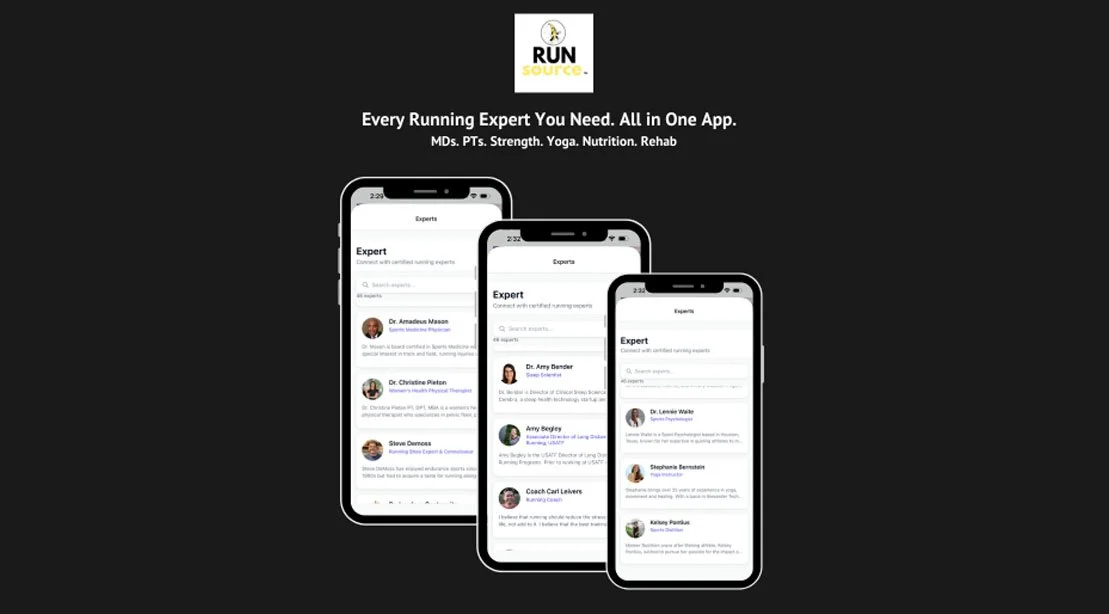
RunSource’s practical promise is clearer direction: help runners understand their symptoms, make informed training adjustments and recognize when an in person clinician should take over.


Discussion
Sign in to join the discussion.