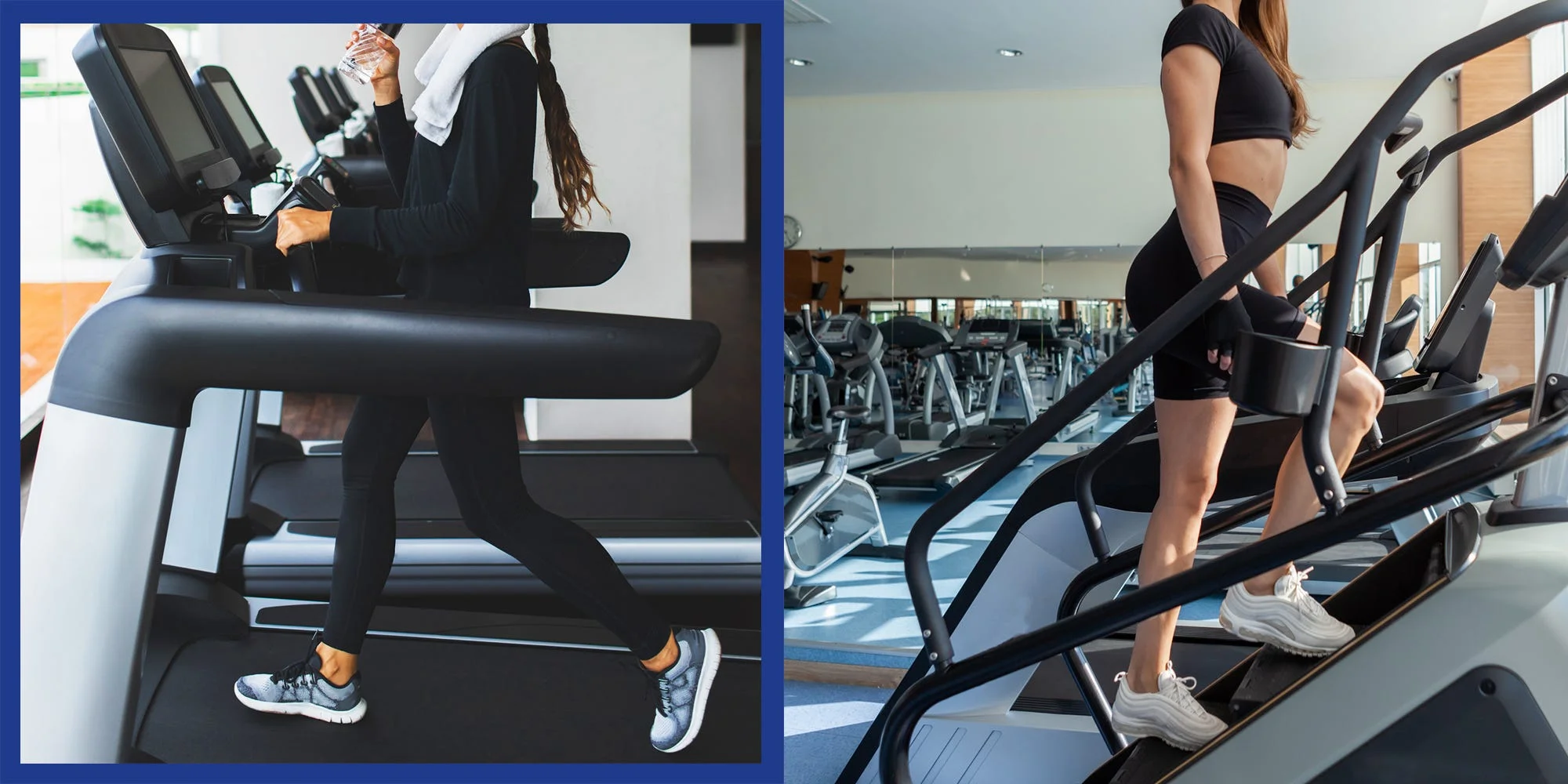
Choosing between incline treadmill walking and stair stepping can enhance your fitness results based on your specific goals of calorie burn, muscle toning, or endurance.
Your Workout Choices Matter
Every time you step into the gym, you're confronted with choices that can significantly impact your fitness results. The decision largely hinges on your fitness goals. Are you aiming for maximum calorie burn, muscle toning, or enhanced cardiovascular endurance? If you want to achieve these results efficiently, your options often narrow down to two popular machines: the treadmill set to an incline and the stair stepper. While both machines share some common benefits—primarily cardiovascular improvements—their approaches and results differ notably. This is where it gets interesting. The movements you engage in on each machine can elicit distinct responses from your body and target different muscle groups. If you're weighing your options, it pays to know exactly what each machine can offer you.Drilling Down Your Goals
Before you commit to one option over the other, clarify your priorities. Are you focused more on burning calories, engaging muscles, or amplifying cardio endurance? Maybe you want a balance of all these elements. Each machine has unique advantages tailored to specific goals. Fitness experts suggest that determining your primary objective is key to making the right choice. According to experts like Alexander Rothstein, EdD, exercise physiologist at New York Institute of Technology, knowing your aims will help you harness the most from your workouts. Plus, understanding the nuances of how incline walking versus stair stepping affects your body can be a game changer.Understanding the Machines
Incline treadmill walking and stair stepping both engage multiple muscle groups, but the way this happens can vary significantly. To get the best from either machine, let’s look at what makes each one unique. Rothstein advises that while incline walking may feel straightforward, the added angle creates additional resistance, forcing you to engage your muscles differently. The challenge increases as you fight gravity, and that makes your workout not just harder, but potentially more effective at building strength and endurance. On the other hand, the stair stepper engages similar groups but requires more hip flexion due to the lifting motion of your legs. This may seem minor, but it contributes to unique strength-building opportunities as you engage your quads, glutes, and calves in ways that differ from incline walking. In summary, while your immediate gym choice may seem trivial, taking the time to determine your workout goals and understanding how each machine works can lead to more effective exercises tailored for your fitness journey.Maximizing Your Treadmill and Stair Stepper Workouts
- Avoid relying on handrails. Rothstein emphasizes this point sternly: clinging to the railings undermines the workout's purpose. By depending on them, you redistribute some of your weight and lessen the load on your lower body and core. Ultimately, you turn the treadmill into a crutch rather than a tool for strengthening these essential muscle groups. If you’re looking to maximize your fitness, ditching the handrails is a must.
- Make full use of your arms. Matheny advises that swinging your arms is integral to maintaining balance and powering your stride. If you find yourself repeatedly reaching for the handrails, it signals that the treadmill’s incline or speed may be pushing you too hard. Consider scaling back to ensure your form remains effective and your workout genuinely challenges you, rather than risking injury.
- Progressively increase the challenge. Rothstein suggests engaging in a 20- to 30-minute session where you elevate the incline or speed every minute. This approach not only enhances the workout’s intensity but also helps keeps the experience fresh and engaging. Leveling up every minute means that your body will continuously adapt, ultimately leading to better results.
- Incorporate intervals. For sustained engagement and effectiveness, Matheny recommends alternating between speeds and inclines. Implement short bursts of increased intensity followed by periods of recovery to avoid monotony and enhance calorie burn. Interval training can push your limits and significantly improve your cardiovascular fitness.
Stair Stepper Strategies
- Keep your hands off the handrail. Rothstein cannot emphasize this enough. Leaning on the rail diminishes the effectiveness of your workout by offloading your body weight, which means you lose potential engagement of critical muscle groups like the glutes and quads. Plus, it can compromise your posture, raising the risk of discomfort or injury.
- Mix in interval training. While a steady pace is beneficial for certain workouts, Matheny notes that injecting intervals of varying speeds can enhance engagement and challenge. It’s akin to adding spices to a dish; it prevents your routine from becoming bland and helps to keep your energy levels high.
-
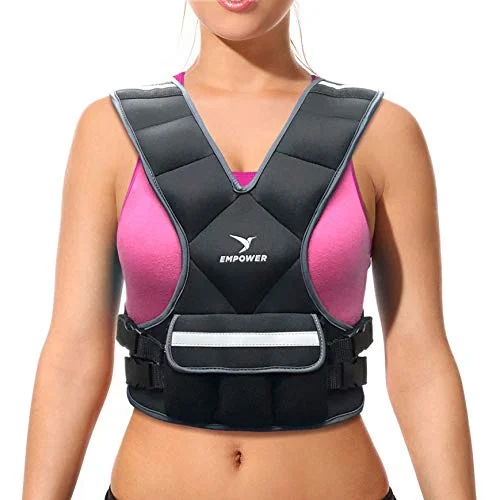
Consider using a weighted vest. For those comfortable on the stair stepper, utilizing a weight vest can intensify the exercise. Matheny advises this prudently, suggesting options like the Empower Weighted Vest that balances weight distribution. Avoid holding weights in your hands—balance is critical to a safe workout.
- Prioritize good posture. As you step, strive to keep your back straight. Rothstein warns that neglecting good posture not only detracts from workout efficacy but also increases injury risk significantly.
For those balancing limited time with the need for effective workouts, experts suggest alternating between these machines. Spending around 15 minutes on each can reinforce the benefits of both forms of exercise. Rothstein likens this approach to cross-training, advocating for a varied workout strategy to enhance overall fitness.



Discussion
Sign in to join the discussion.