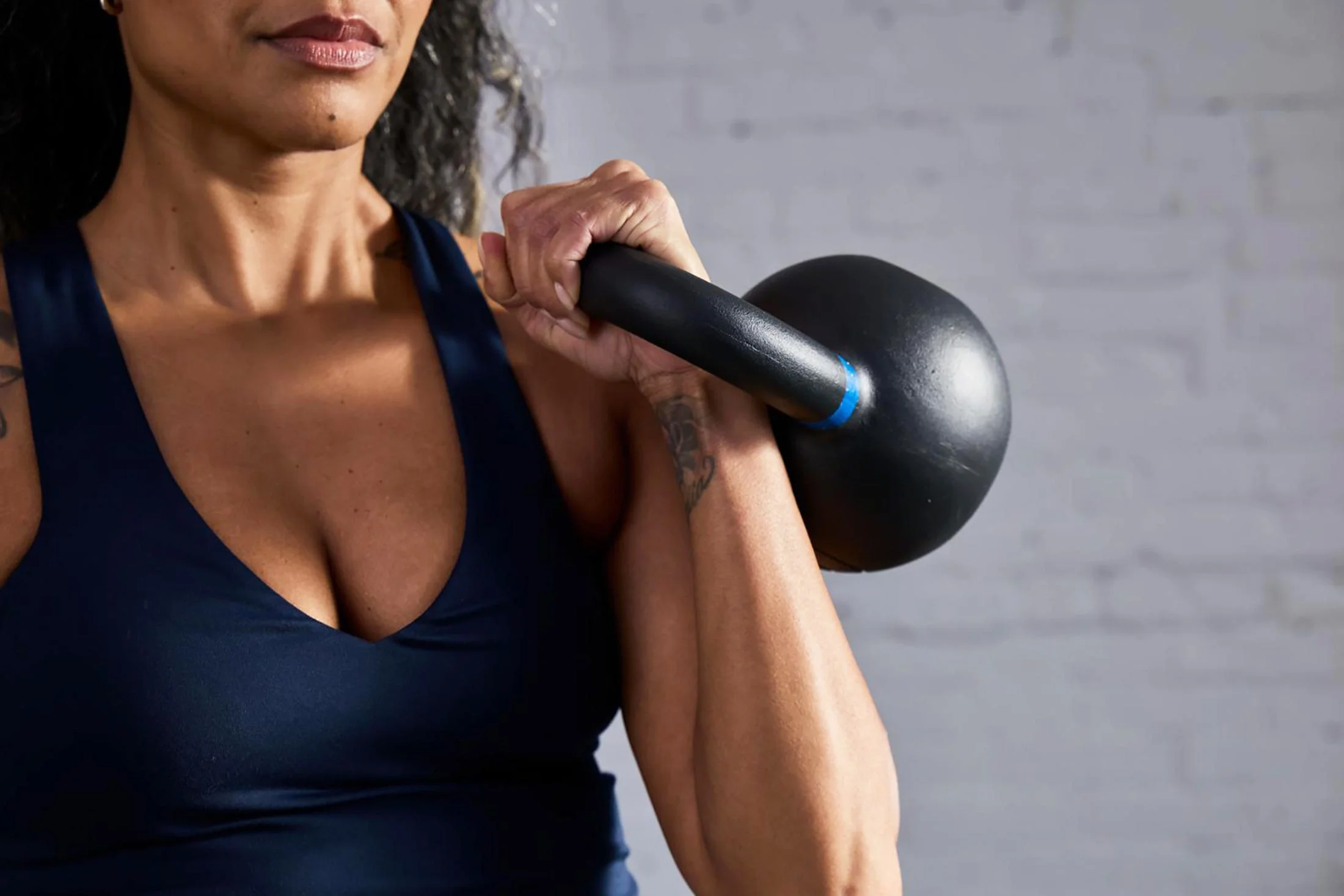
Embrace weight lifting to enhance strength, independence, and overall well-being as you age, proving it's never too late to start strength training.
The Power of Weight Lifting for Aged Individuals
If you aim to maintain an active lifestyle as you age—whether it's carrying groceries, ascending stairs effortlessly, or happily lifting your grandchildren—then embracing weight lifting is the way to go. This assertion is supported by substantial research demonstrating that strength training is vital for preserving physical function and independence in older adults. Far from a pastime solely for the young and muscular, weights can be a lifeline for seniors looking to enhance their quality of life. A common misconception is that aging inevitably leads to weakness, but that's not the case. In reality, senior weight lifting can counteract the muscle loss that generally starts around age 30, a decline that accelerates significantly post-menopause due to hormonal shifts. Engaging in resistance training—using both free weights and exercise machines—provides the physical and mental health benefits that are crucial for aging gracefully. It's an approach that can literally reshape how we view the aging process: it can be not just about extending lifespan but also enhancing the quality of the years we have left. Studies, like those conducted by the *International Osteoporosis Foundation*, show that strength training aids in maintaining bone density, combating muscle degeneration, and ultimately setting the stage for a more independent lifestyle. For women, in particular, this is essential because they can face an increased risk of osteoporosis after menopause. Regularly engaging in strength training can significantly mitigate that risk. Here’s another compelling feature of weight lifting: It’s never too late to start. Whether you’ve never touched a weight or you're looking to revive an old routine, beginning with manageable variations—like light dumbbells or resistance bands—can lead to significant benefits. Resistance training not only fortifies the body but also supports cognitive function, offering a protective effect against neurological conditions such as Alzheimer's and dementia, as highlighted by recent academic research published in *Frontiers in Neuroscience*. Resilience, energy, and the independence you crave in your later years begin with a single decision: to lift weights. It's a tool that promises to enhance not just physical capability but overall well-being, equipping you for the adventures that lie ahead. Embracing this form of exercise will set you on a path that encourages both vitality and longevity.4. Seated Biceps Curl
The benefits: Strengthening your biceps is more than just for aesthetics. These muscles are essential for simple daily tasks, from lifting shopping bags to pushing heavy objects. Biceps curls efficiently maintain and enhance your arm strength.
Steps to perform:
- Take a seat on a sturdy chair, ensuring your feet are flat on the ground. Hold dumbbells at your sides with your palms oriented forward.
- Bend your elbows to bring the weights toward your shoulders, keeping your elbows tucked close to your body.
- Gradually lower the weights back to the starting position. That's one repetition.
Pro tip: If using both arms simultaneously proves too challenging, start with one arm at a time. When you feel ready, progress to the standing variation to increase the intensity.
5. Bent-Over Row
Why it’s effective: Maintaining good posture is vital, especially for those at risk of conditions like osteoporosis. The bent-over row channels strength into your shoulders, upper back, and biceps, contributing to better posture and overall strength.
Steps to execute:
- Stand with your feet hip-width apart, allowing a slight bend in your knees. Position your arms just in front of your legs.
- Hinge forward at the hips until your torso is parallel to the floor, keeping your back straight.
- With weights in hand, pull your elbows back towards your hips while squeezing your shoulder blades together.
- Lower your arms back to the starting position. That’s one rep.
Pro tip: You can perform rows standing straight or leaning. Adjusting your angle will change the difficulty; the more you lean forward, the more challenging it becomes. Test out different positions to identify what works for you.
6. Alternating Reverse Lunge
Why it’s beneficial: Reverse lunges engage the glutes, hamstrings, and quads, simultaneously enhancing balance and stability—key components in fall prevention as we age.
Steps to follow:
- With your feet aligned hip-width apart and hands on your hips or holding weights, get ready to lunge.
- Step back with one foot, lowering your body until both knees are at a 90-degree angle.
- Drive through the heel of your front foot to return to standing, then repeat on the opposite side. That’s one rep.
Pro tip: Balancing while lunging can be tricky. Hold onto a stable surface or countertop for support if you're having difficulty.
7. Incline Pushup
The advantage: Incline pushups are a kinder alternative to standard pushups, making them ideal for building strength in your arms, shoulders, and chest while reducing the risk of wrist or shoulder strain.
Steps to perform:
- Position your hands on a stable, elevated surface (like a low bench or the bottom step of a staircase) with feet extended back behind you.
- Lower your chest towards the surface by bending your elbows, then push back up to your plank position. That’s one rep.
Pro tip: Start with a higher surface to lessen the intensity and protect your wrists. As you adapt, you can gradually decrease the height to increase the challenge.
8. Half Turkish Get-Up
Why it’s effective: The Half Turkish Get-Up functions as a full-body workout, enhancing balance, strength, and mobility—qualities vital for helping older adults navigate getting up from the floor effectively.
Steps to do:
- Lie down on your back with a weight in your right hand, positioned in front of your right shoulder, and your right foot flat on the ground. Extend your left arm and leg at a 45-degree angle.
- Grip the weight firmly and press it upwards until your arm is fully extended, keeping your gaze on the weight.
- Transition onto your left forearm, then push through your left hand to sit up.
- With your core engaged, reverse the movement to return to the starting point. That’s one rep.
Pro tip: Break this complex exercise into manageable segments. Practice individual components without weights before attempting the full movement.
9. Triceps Kickback
Why it’s essential: Strengthening your triceps is crucial for activities that involve pushing, such as lifting yourself off the ground or supporting your weight in a plank. These muscles play a vital role in many daily movements.
Steps to achieve:
- Stand with a dumbbell in each hand, slightly bending your knees.
- Hinge forward at your waist, ensuring your elbows stay close to your body and bent at a 90-degree angle.
- Focus on keeping an open chest by activating your shoulder blades.
- Extend your arms back until straight, then return to the starting position. That’s one rep.
Pro tip: The triceps are relatively small muscles, which means they don’t require much weight to activate effectively. Start with lighter weights or even no weights, and gradually increase resistance as you become comfortable. Consider performing the exercise seated or with one arm at a time for better focus on your form.
10. Sumo Squat
Why it’s beneficial: This variation on the classic squat emphasizes the inner thighs while also working the glutes and quadriceps from a unique angle, enhancing leg strength overall.
Steps to execute:
- Stand with your feet wider than hip-width apart, distributing your weight evenly, and turning your toes out at a slight angle.
- Keep your core engaged and chest lifted as you inhale, lowering your hips until your thighs are parallel to the ground.
- Press through your heels as you stand back up. That’s one rep.
Pro tip: Always begin with lighter weights or focus solely on your body weight to perfect your form. If balance becomes an issue, consider holding onto a support for additional stability.
11. Farmer's Carry
Why it’s effective: The Farmer's Carry mimics real-life activities, such as carrying heavy items beside you. This exercise aids in developing core strength and teaches you how to stabilize your body while in motion.
Steps to follow:
- Start by holding a weight in one hand. Stand tall with your shoulders retracted and your core engaged, ensuring your spine remains neutral.
- Walk forward for 30 to 60 seconds, maintaining an upright posture and a firm grip on the weight.
- Set the weight down. That’s one rep.
12. Standing March
Why it’s beneficial: This exercise is great for engaging your core and maintaining balance. Using a resistance band can introduce an extra challenge, further working your core and lower body strengths.
How to perform:
- Stand with your feet shoulder-width apart; hands can rest on your hips or by your sides. (Optionally, place a resistance band around the arches of your feet.)
- Balancing on one leg, lift the opposite knee towards your chest, hold for a second, then lower it back down.
- Switch legs, alternating for 30 seconds. That’s one rep.
Exercises You Should Skip
There's no single exercise that should be completely avoided for older women, according to fitness experts like Bales, as long as you feel capable. Simply steer clear of any movements that cause discomfort, and if something seems too difficult or confusing, consider modifying it to better meet your needs.


Discussion
Sign in to join the discussion.