New research highlights how just one high-fat meal can significantly impair arterial function and lung health, underscoring the dangers of poor dietary choices.
The Immediate Effects of a High-Fat Meal
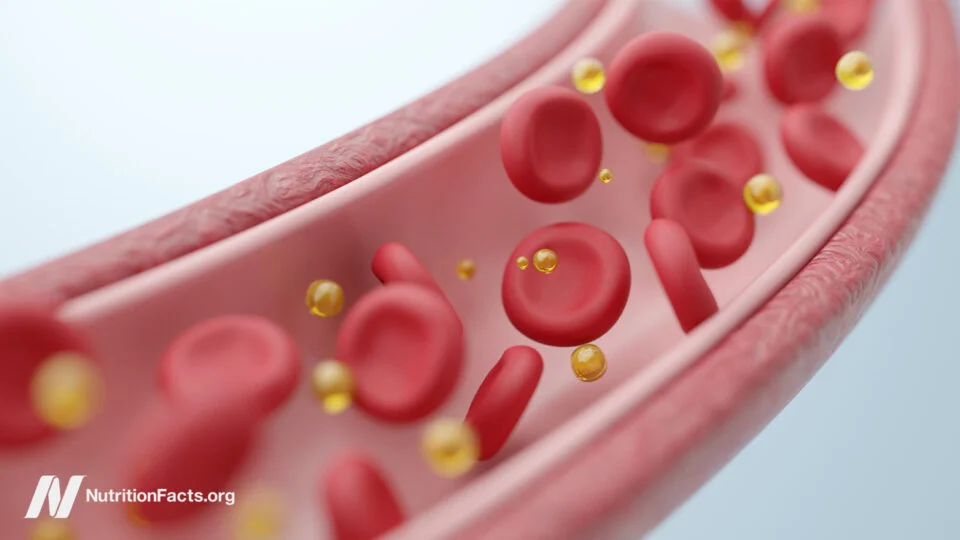
Recent research highlights an alarming reality: just one high-fat meal can trigger significant declines in arterial function within a few short hours. This finding challenges the traditional view that our cardiovascular health is only impacted over long periods. Disturbingly, low-fat meals, in contrast, maintain healthy arterial performance, setting the stage for a much broader understanding of dietary choices and their lingering effects on cardiovascular health over time. When you consider the frequency with which many people indulge in high-fat meals, this is more significant than it looks. It’s not just a question of occasional indulgences; it’s about daily habits.
Key Findings from Clinical Studies
In a notable clinical study, participants consuming a Sausage and Egg McMuffin from McDonald's exhibited a marked impairment in their arterial function. This raises critical questions regarding which specific components of such meals are primarily responsible: was it the sausage, egg, or even the carbohydrates that come with it? What this means for you is that these findings could have implications for many popular breakfast options. Interestingly, when a sugary low-fat meal was consumed, it did not exhibit the same adverse effects, indicating that fat is likely the primary culprit contributing to immediate cardiovascular impairment. This suggests a need for further investigation into the components of seemingly benign meals and the contrasting effects they might have.
The Cycle of Dietary Impairment
A troubling phenomenon presents itself when individuals consume multiple high-fat meals throughout the day. Imagine this: just as artery function begins to recover hours after one high-fat meal, another hits the system, perpetuating a damaging cycle. Research indicates that most people spend around 16 hours in a post-meal state, increasing their risk for cardiovascular diseases significantly. This relentless cycle can trap individuals in a loop of poor health, affecting daily life and long-term wellness. If you're working in this space, the implications for public health campaigns and nutritional advice are stark. Encouraging a paradigm shift towards meal timing might be essential.
Increased Inflammation and Lung Function
The repercussions of consuming a high-fat meal ripple beyond just arterial health; they extend to lung function as well. Studies have demonstrated that, particularly for individuals with asthma, consuming a high-fat meal inflames the airways, exacerbating existing conditions and hindering the effectiveness of bronchodilator treatments, like albuterol. Asthma sufferers saw a spike in inflammatory cells four hours post-meal, suggesting all consumers—even those without pre-existing conditions—should be cautious about their dietary choices. (and this is the part most people overlook) The interconnected nature of dietary fat’s impact on various health aspects reveals how overlooked our food choices can be.
The Broad Impact on All Consumers
It's pertinent to note that even healthy individuals aren't immune from the negative impacts of high-fat meals. These meals can lead to increased inflammatory markers in lung sputum. For example, when participants consumed a Jimmy Dean Meat Lover's breakfast bowl, their inflammatory responses mirrored those of individuals with asthma. This raises an unsettling truth: dietary fat intake can incite an inflammatory response universally within the population, potentially altering health outcomes across demographics. It emphasizes the need for more extensive public education around the consequences of dietary choices, particularly regarding saturated fat.
Cholesterol and the Development of Heart Disease
The results from these studies indicate a troubling doubling of pro-inflammatory oxidized LDL cholesterol, a marker closely associated with the development of arterial plaque. The accumulation of foam cells from these oxidized particles can culminate in severe cardiovascular events, including heart attacks. Compounded by diet habits that heighten fat and endotoxin levels after consuming inflammatory foods such as pizza, individuals face a multi-faceted health risk. The pathway from diet to disease is clearer than ever, and neglecting this connection can lead to dire consequences.
The Role of Endotoxins
Endotoxins, derived from the cell walls of bacteria found in various meats, are an often-overlooked contributor to inflammation. However, emerging studies suggest that saturated fat may play a far more substantial role in post-meal inflammation than previously thought. This finding underscores the immediate consequences diet choices have on health and well-being. It’s a critical lesson for consumers: understanding that each meal is not just fuel but also a potential threat to your body is vital for making informed dietary choices.
Looking Ahead: Implications for Dietary Choices
This body of research underscores the urgency of comprehending how unhealthy meals disrupt not only bodily functions but overall health as well. Each meal becomes an opportunity either to harm or protect our well-being. As consumers, recognizing the significant impact of our dietary decisions on chronic metabolic diseases can empower better lifestyle choices. With rising awareness, there's potential for shifting societal norms around food consumption and promoting healthier eating habits.
Doctor’s Note
This discussion introduces a three-part series aiming to explore the various effects of saturated fat and fast food on our health. In the upcoming installments, we'll discuss the benefits of exercise in counteracting these effects, as well as foods that might help safeguard arterial health against the dangers posed by saturated fat.


Discussion
Sign in to join the discussion.