Research indicates that physical activity can significantly reduce the adverse effects of high-fat meals on heart health, particularly within a specific timeframe.

Physical activity plays a pivotal role in countering the negative effects of unhealthy dietary choices. After consuming meals high in saturated fats, certain types of exercise can help to alleviate some of the physiological damage to the cardiovascular system. Understanding the interplay between diet and exercise is becoming increasingly vital in a society where fast and fatty foods are prevalent.
Immediate Impact of High-Fat Meals
Multiple studies have demonstrated the immediate impact of high-fat meals on heart function. For instance, a clinical trial revealed that men who consumed a meal consisting of over 60% fat experienced significant impairment in artery function, specifically affecting blood circulation to the heart. This contrasts sharply with those who opted for a low-fat meal composed primarily of carbohydrates. Looking closely at these findings can shed light on how our dietary choices are more than just personal preference; they directly influence our vascular health.
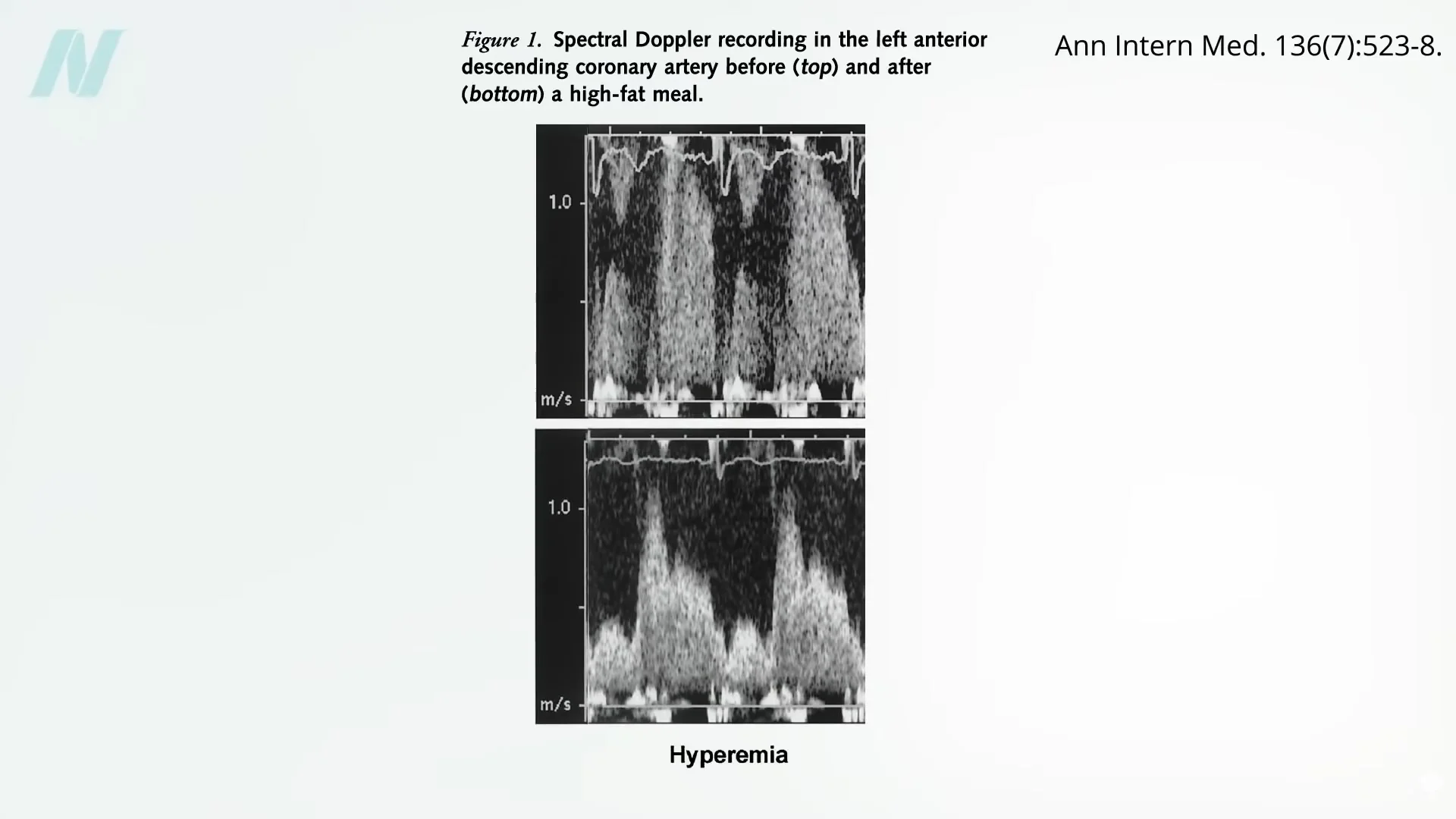
Visual evidence supports these findings. A Doppler ultrasound of the left anterior descending coronary artery—an essential vessel that supplies blood to the heart—initially displays robust activity. Within just five hours post high-fat meal consumption, that arterial signal weakens markedly. This drop in coronary flow reserve shows how quickly such meals can obstruct the heart's adaptive responses to arterial blockages. For many, this timeline can be alarming; just a few hours post-meal, arterial health can be compromised, prompting the question: how often are we risking our well-being for convenience?
The Significance of Coronary Flow Reserve
Understanding "coronary flow reserve" is essential. This term refers to the heart's ability to increase blood flow through nearby blood vessels when a coronary artery is blocked. After consuming a fatty meal, this reserve can diminish rapidly, limiting the heart's capacity to cope with potential obstructions. This underscores the acute risks associated with high-fat dietary choices. Yet, many overlook the ramifications of such a seemingly innocuous meal choice, unaware of how quickly health can decline in response to diet.
Exercise as a Mitigating Factor
Interestingly, engaging in physical activity shortly after enjoying a high-fat meal can curb postprandial inflammation and help clear lipids from the bloodstream. Research implies that exercise is effective at moderating the spike in fat levels that occurs after such meals. However, these protective effects seem to be short-lived, with a critical window existing from 18 hours before to roughly 90 minutes after eating. This time constraint is a compelling factor — it means that simply being active is not enough; timing matters.
In one study, participants who climbed stairs for a mere 20 minutes within four hours after a breakfast loaded with fats showed no significant decline in artery function. This suggests that even brief physical activity can serve as a protective strategy against the vascular impairments linked with high-fat intake. That’s something worth considering. If you’re working in this space, small interventions like a post-meal walk could have substantial benefits.
As a more practical daily approach, incorporating movement throughout the day—even in small amounts—may safeguard vascular health, particularly after indulgent meals. These findings reinforce the notion that we don't need to overhaul our lives to reap benefits; incremental physical activity is a reasonable measure to support artery function against the backdrop of modern dietary habits. (And this is the part most people overlook.)
The Role of Sodium Intake
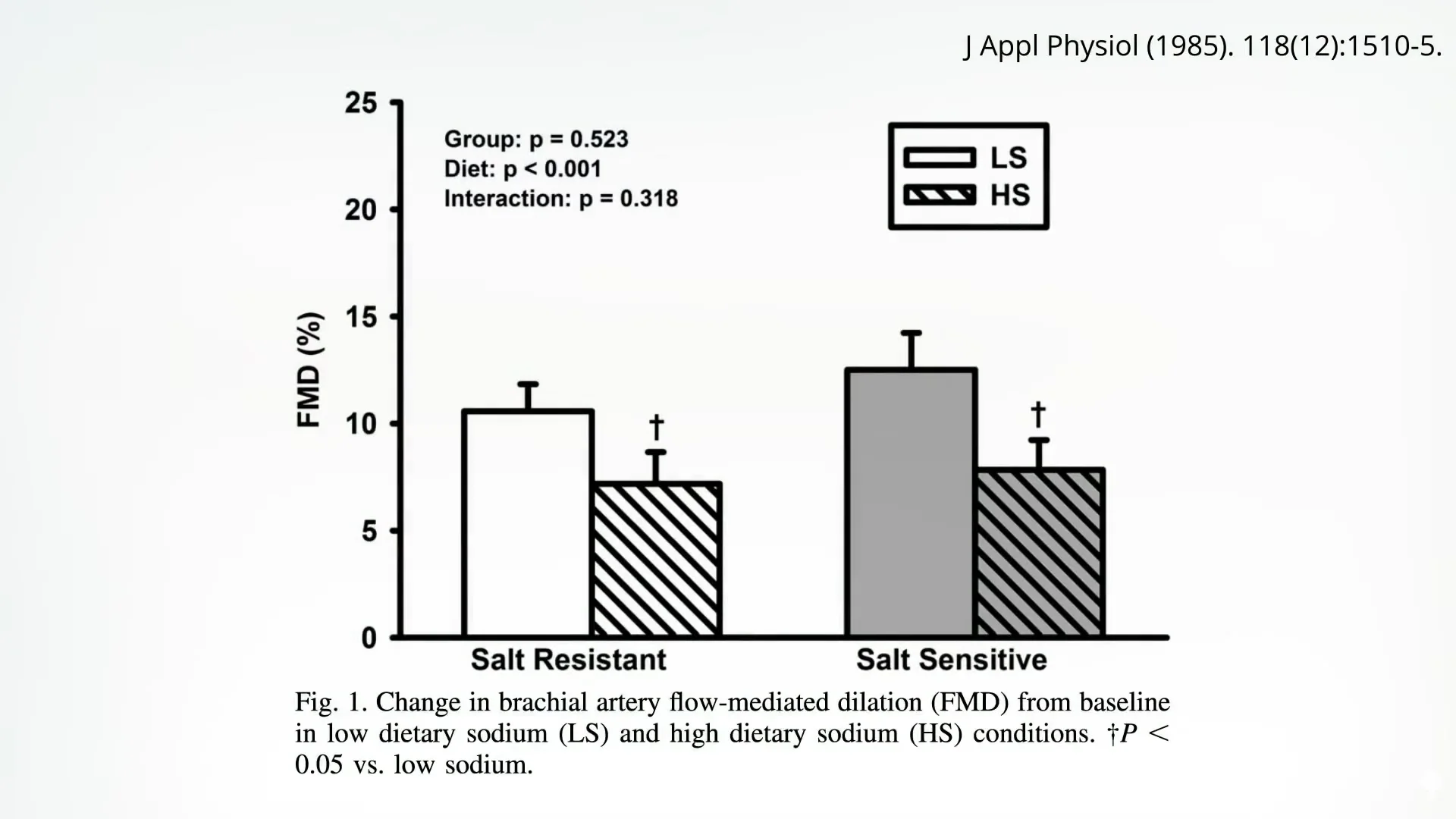
Dietary sodium also plays a significant role in cardiovascular health. Meals high in salt can impair artery function within an hour, regardless of the blood pressure response. Interestingly, individuals vary in their sensitivity to salt; however, high sodium intake remains harmful to arterial health across the board. Substantially lowering sodium intake can yield benefits for artery function. The nuance here lies in individual dietary responses, but broadly speaking, sodium reduction appears necessary for maintaining cardiovascular wellness.
Research suggests that the heart's response to dietary salt isn’t merely linked to blood pressure changes, making sodium reduction critical for vascular health. While some debates persist about salt consumption limits, prevailing findings indicate that excessive dietary sodium is indeed detrimental. The conversation surrounding salt is more than just dietary guidelines; it’s about understanding how everyday choices impact long-term health.
Future Outlook: Navigating Dietary Choices
The emerging insights into how exercise can counteract the negative impacts of high-fat meals reinforce the need for a proactive approach to diet and activity. Given the rapid changes in cardiovascular function following a high-fat meal, regular exercise seems essential for those looking to maintain cardiovascular health amidst dietary challenges. However, the key takeaway is not simply about knowing; it’s about action. Recognizing the connection between lifestyle and health can motivate more conscious decisions.
This discussion is part two of a series addressing the consequences of saturated fat on artery health, with further explorations on protective food choices forthcoming. As the dialogue continues, addressing both diet and exercise in tandem may provide a clearer path to enhancing overall cardiovascular health. In an era of rampant dietary misinformation, clarity and actionable steps are more essential than ever.


Discussion
Sign in to join the discussion.