Diet directly influences gut microbiome composition, with plant-based foods promoting beneficial bacteria while animal products can lead to detrimental effects.
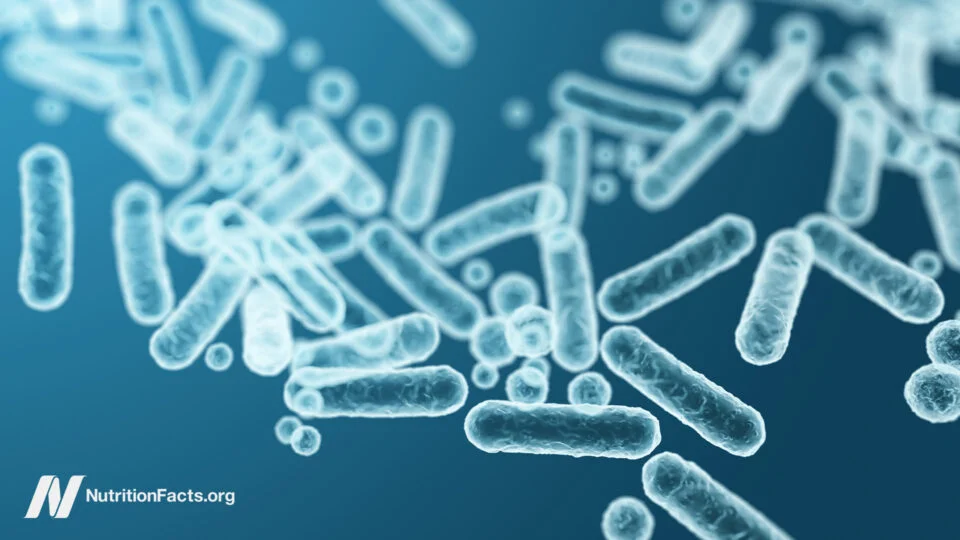
Diet plays a pivotal role in shaping our gut microbiome, influencing not only digestive health but also overall well-being. Research has consistently shown that what we eat determines the types of microbes that flourish in our intestines, which in turn affects the production of various metabolites critical for our health.
The Dangers of Certain Animal Products
Consumption of animal-derived foods—such as meat, dairy, and eggs—can lead to the production of trimethylamine N-oxide (TMAO), a compound linked to an increased risk of cardiovascular events like heart attacks and strokes. A striking study found that when participants consumed two eggs, their TMAO levels spiked within hours. However, an important caveat emerged: after a week of antibiotic treatment that eradicated their gut microbiota, eating the same eggs resulted in no TMAO production. It highlights the central role gut bacteria play in metabolizing these compounds.
This phenomenon isn't limited to eggs; similar reactions occur with red meat. Participants consuming the equivalent of an 11-ounce steak experienced a TMAO surge, but again, the same result was absent after antibiotic treatment. This clearly underscores the necessity of both the food and the specific bacteria responsible for its breakdown.
Plant Foods: A Healthful Alternative
Conversely, whole plant foods—fruits, vegetables, whole grains, and legumes—have been shown to promote the growth of beneficial gut bacteria. These foods contain fiber and resistant starch, which are fermented by the gut microbiome to produce short-chain fatty acids (SCFAs) like butyrate. SCFAs are associated with numerous health benefits, including reducing inflammation and enhancing insulin sensitivity. Importantly, they play a protective role against a range of diseases.
Research indicates that a mere three days of increased fiber intake from whole grains can significantly improve metabolic markers. One study found that participants consuming extra servings of barley experienced a 25% reduction in insulin levels during carbohydrate intake, attributed to enhanced SCFA production. Yet, response to fiber can vary widely among individuals, which is where gut bacteria diversity comes into play.
The Role of Gut Bacteria Diversity
The benefits of consuming fiber hinge not just on the fiber itself but also on having the right gut microbiota, particularly the bacterium Prevotella, which excels at breaking down plant fibers. Dietary habits that center around plant-based foods have fostered the prevalence of these supportive microbes among populations, contrasting sharply with those on standard Western diets who show lower diversity and higher levels of inflammatory markers.
Rural populations consuming mainly plant-based diets exhibit significantly higher levels of Prevotella compared to their Western counterparts, which correlates with higher production of beneficial SCFAs. This disparity suggests that the modern diet, rich in processed foods and lower in fiber, may hinder the growth of beneficial gut bacteria and exacerbate health issues like insulin resistance and systemic inflammation.
Implications for Omnivores and Vegetarians
The composition of gut microbiota diverges significantly between omnivores, vegetarians, and vegans. While plant-eaters typically cultivate a community of fiber-fed bacteria capable of metabolizing larger quantities of fiber, meat-eaters face challenges that restrict the function of their gut microbiome. Even with a high fiber intake, they might miss out on the extensive benefits associated with diverse microbial populations.
Though omnivores can certainly benefit from consuming more plants, the existing constraints in their gut microbiome may prevent them from achieving the same metabolic advantages as those living on a predominantly plant-based diet.
Future Considerations
The link between diet, gut microbiota, and health outcomes suggests that dietary choices can have profound implications for public health. A shift towards a whole food, plant-based diet could not only bolster individual health but also contribute to a reduced incidence of chronic diseases associated with inflammation and metabolic dysfunction. However, transitioning to such a diet should not involve processed plant foods; instead, the focus should remain on whole foods that support a diverse and active gut microbiome.
Ultimately, as research continues to uncover the complexities of the gut microbiome, it becomes clear that our dietary selections play a critical role in fostering a healthy gut ecosystem, pivotal for long-term health.
For further insights:



Discussion
Sign in to join the discussion.