Research indicates that while GLP-1 drugs may cause some lean mass loss, exercise and adequate protein help maintain muscle during weight loss.
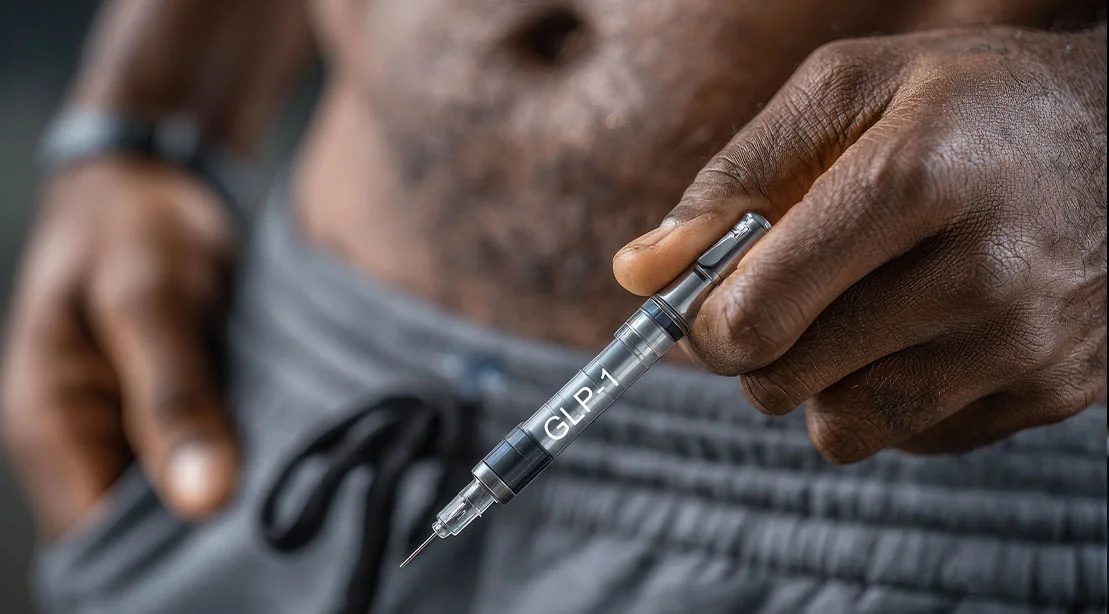
GLP-1 Medications and Their Impact on Muscle Preservation
As GLP-1 medications like Ozempic and Wegovy take center stage in weight management, there's growing concern about their effects on muscle mass. A recent 2026 meta-analysis sheds light on this issue by examining 20 randomized trials involving over 15,780 participants. This study revealed that lean mass loss associated with semaglutide, tirzepatide, and liraglutide accounted for a significant percentage of the total weight lost—about 35% for semaglutide, 25% for tirzepatide, and 27% for liraglutide.
Initially alarming, these numbers must be contextualized against traditional weight loss methods. When individuals lost weight solely through lifestyle changes, around 26% of the lost weight came from lean tissue. So, while the percentage of lean mass loss with GLP-1 drugs seems concerning, it actually echoes familiar themes in weight loss. Weight loss typically carries the risk of losing lean mass, especially when caloric intake is significantly cut back. This pattern shows that the real challenge isn’t the medication itself but the broad effects of any aggressive caloric restriction.
Strategies for Muscle Preservation While Using GLP-1s
The incorporation of resistance training can make a difference. During weight loss efforts that included weightlifting, lean mass loss dropped to around 17.5%. This suggests that resistance training acts as a buffer against muscle loss—an unsurprising yet vital revelation for anyone invested in fitness. Those ignoring resistance training while on these medications may find their results hindered by preventable muscle loss, directly affecting strength and fitness levels.
Adding to this, another 2026 analysis found that combining exercise with GLP-1 treatments led to the most favorable outcomes for weight and fat reduction. The fitness community often overlooks the balance of these approaches, framing the choices as either medication or restrictive dieting. In reality, they can work together symbiotically. The conversation around weight loss is often too simplistic; it’s essential to see how these methods can complement one another rather than viewing them in isolation. If you're working in this space, understanding this synergy could redefine how we approach weight loss strategies.
The primary risk for those using GLP-1 medications, particularly from a fitness standpoint, lies not in a destructive ingredient within the drugs but rather in the appetite-suppressing effects they produce. When appetite diminishes significantly, lowered caloric intake often leads to reduced protein consumption and decreased training intensity. Consequently, individuals may lose substantial weight without adequately preserving muscle tissue, which can have serious implications for both strength and aesthetics. After losing 50 pounds without a strategic muscle retention plan, the body will likely prioritize fat loss over maintaining muscle mass, a result you don’t want to accept if you value physique or performance.
The Nuances of Lean Mass Measurement
It’s also essential to note that the term "lean mass" includes more than just muscle. Measurements often consider water and non-contractile tissues, which can skew perceptions of muscle loss. Recent reviews indicate that while GLP-1 treatments result in some reduction of lean mass, they typically contribute to greater fat loss without negatively affecting strength or physical performance. This aspect often gets lost in the discourse surrounding these medications.
As discussions about GLP-1 drugs evolve, it’s clear that both advocates and critics need to recognize the complexities involved. Significant weight loss does not inherently translate to an ideal body composition. A lower weight doesn’t necessarily mean healthier outcomes, nor does it mean that muscle mass is irreparably harmed. Context matters; preserving functional muscle must be prioritized. Just because the scale shows a drop doesn’t guarantee better health or fitness outcomes. Retaining muscle is just as important—in some cases, even more so.
Future Implications and Outlook
Looking ahead, recent findings, such as Novo Nordisk's late-stage trial indicating that semaglutide can help children aged 6 to 12 in managing obesity, highlight that pharmacological approaches to weight management are evolving. While semaglutide is not yet FDA-approved for younger children, the implications of such studies could shape future trends in pediatric obesity treatment, an area of growing concern as childhood obesity rates rise. The fact that we're even discussing this points to a seismic shift in how society might tackle obesity.
As we move into a future where pharmacological assistance in weight management may become more prevalent and possibly start earlier in life, the focus will shift from merely how much weight was lost to what valuable muscle and health metrics were maintained throughout the process. Here's the thing: understanding this holistic perspective will be vital for anyone navigating the intersection of weight loss drugs and muscle preservation. You can't just rely on quick fixes; it needs to be a well-rounded approach, considering lifestyle, fitness, and nutritional intake as integral to success.


Discussion
Sign in to join the discussion.