Neat Apparel uses performance fabric to reduce visible sweat marks, turning a familiar clothing frustration into a growing apparel brand.
A shirt built around a familiar frustration
Neat Apparel’s appeal is easy to grasp: sweat can signal hard work, but sweat marks on a shirt can make people feel self-conscious. Jim Huffman saw a business in that gap between effort and appearance. After taking Neat to ABC’s Shark Tank, he’s trying to turn a specific clothing fix into a much larger brand. The company’s growth is the headline; the reason he gives that growth a purpose is more personal.
“The vision of a champion is bent over, drenched in sweat, at the point of exhaustion, when nobody else is looking,” soccer legend Mia Hamm once said. Neat is built around the other side of that image: helping people feel comfortable and presentable while training, working, traveling, or going about an ordinary day.
Huffman didn’t set out with a lifelong plan to start an apparel label. He founded GrowthHit, a marketing agency that helps businesses scale, and spent years building growth strategies for other companies. Neat offered a chance to put that experience to work on a product with a clear difference and a problem customers could understand quickly. The challenge now is reaching a much larger audience.
That link between fitness and business runs through Huffman’s story. Both, he argues, reward consistency and the willingness to keep showing up before results are visible. It’s a familiar idea, but Neat’s own mission gives it a more personal weight.
Finding the right use for the technology
Neat’s fabric technology came out of performance apparel research, where the team explored potential uses in sports and military uniforms. Huffman’s business partner, Tyler, had industry connections that brought them into contact with the technology and the intellectual property that became the basis for Neat.
The first possible market was soccer. But the team concluded that players weren’t especially concerned about visible sweat during a match. The more promising customer was someone who wanted to stay comfortable and look presentable throughout the day.
Huffman knew that frustration firsthand. He grew up in Oklahoma and spent time in Texas, where hot weather made it hard to keep a shirt looking fresh. “I used to have go in the bathroom and pat my shirt off to look somewhat presentable,” he recalled. When he tried a sample, his response was immediate: “Oh my gosh, this is amazing!”
He still tested whether enthusiasm translated into demand. Before jumping in, he spoke with about 20 existing customers. They asked for more colors and products, and even urged the company not to go out of business. That’s stronger evidence than polite praise: customers were already telling Neat what they wanted next.
Showing the product in action
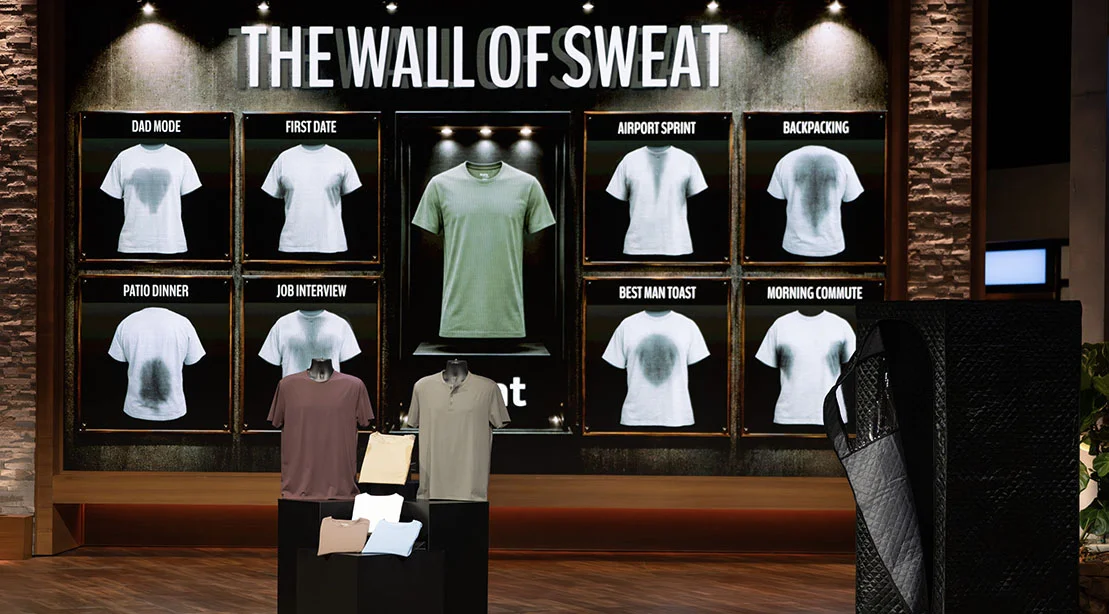
Neat has a marketing advantage many apparel brands would envy: the product’s purpose can be shown on camera. A claim about fabric performance is easy to ignore; a simple demonstration gives people something concrete to judge. The company has used water balloons and fabric tests to make that difference visible.
“We wanted to hit on not just the benefit but the use case,” Huffman said. One campaign made the problem itself the display: a wall of sweat-soaked shirts arranged like sports memorabilia.
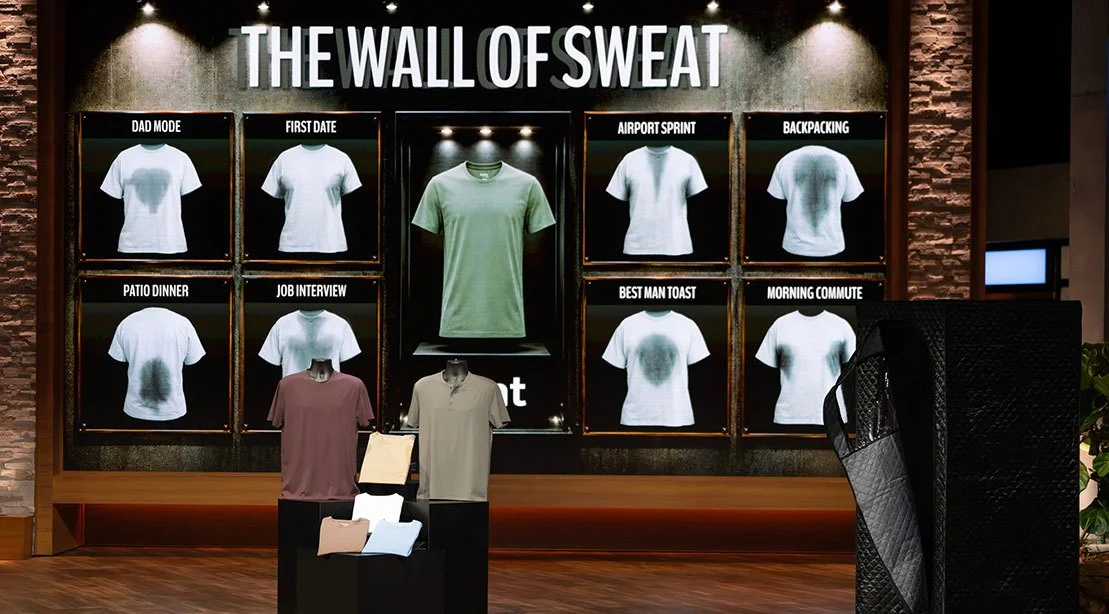
The approach doesn’t ask customers to give up their favorite athletic brands. It asks them to add another consideration: what their clothes do when the temperature climbs.
Turning television attention into repeat sales
Shark Tank put Neat in front of a much wider audience, but a television appearance is only a burst of attention. The harder work is converting that attention into a business that can keep growing.
Huffman’s experience at GrowthHit has shaped his priorities. First, he wants to know whether the market itself is likely to grow. “Honestly, it’s market selection,” he said. “I think people are like, ‘Oh, this thing’s cool. Let me see if I can sell it.’ And they’re not intentional of, is this a market that in five to 10 years is going up and to the right?” A good product can still stall if buyers won’t pay for it.
Then there’s the arithmetic. Neat’s shirts sold for about $38 when Huffman and his team got involved, a price structure that made it hard to cover the advertising costs needed to scale. They shifted toward bundles and discounts to raise average order value, while changing prices. The aim is to make Neat a repeat purchase and a wardrobe staple, rather than a one-shirt experiment.
“We’re trying to villainize the cotton T-shirt,” Huffman joked, then clarified that the company isn’t against cotton. It wants customers to distinguish an everyday cotton shirt from performance apparel designed to stay comfortable through the day.
Creator videos beat the expensive production
Neat’s marketing experience offers a useful reminder: production value and ad performance aren’t the same thing. The company spent about $30,000 on a polished video, but it didn’t work as well as Huffman had hoped. Less formal creator videos did better.
“Our best performing ads are not the fancy overproduced ads,” he said. “We spent $30,000 on a high production video, did not perform as well as I liked, and then we’ll throw a T-shirt at some 20-something, and they make an ad that really scales for us.”
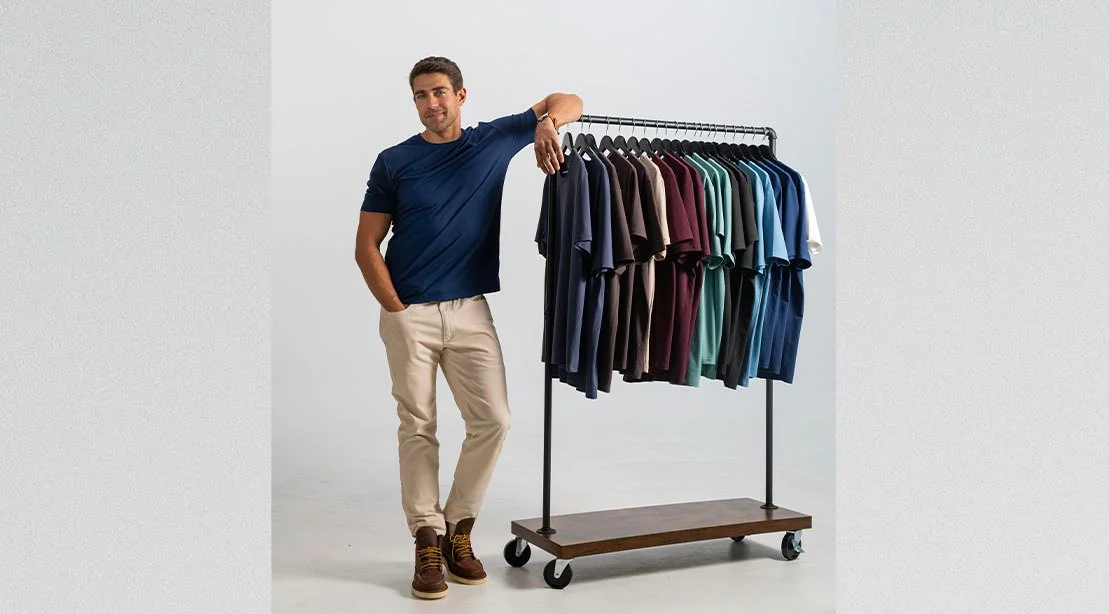
That pushed the brand toward user-made content, influencers, and creators showing the shirt in ordinary settings. For a product people need to see in use—how it fits and how it performs—those settings can make the demonstration feel more relevant. Huffman also sees different jobs for different platforms: TikTok may suit quick demos and impulse purchases, while Meta can support a different path to purchase. The lesson is practical: match the format to the audience and explain the product clearly.
Wrenegade Fund gives growth a different purpose
Huffman’s definition of success changed after a family crisis. In May, his youngest daughter, Wren, complained of what seemed like growing pains. She rarely complained, so the family took her to the hospital. The next day, they learned she had a rare form of bone cancer. Treatment began days later.
The diagnosis arrived as Huffman was getting involved with Neat, which had taken on major financial commitments and was preparing for a large order. The pressures of business suddenly looked different. “You’re just like, how am I going to do all of this, right?” he recalled. “And so that’s where you really figure out real quick what you need to focus on and not what really matters.”
Wren went through 23 rounds of chemotherapy and rotationplasty, an amputation surgery. Huffman says she’s now stronger than ever. Her experience led the family to direct some of their work toward helping other children: GrowthHit began donating 1% of its profits to pediatric cancer research, and the family launched the Wrenegade Fund to support that research.
In September, the family held “Pie Hard,” a fundraiser that brought in $60,000. Each $1,000 raised earned Wren the chance to throw a pie in someone’s face. It added some levity to a serious cause.
The family’s openness also connected them with others facing similar choices. A girl in Montana who followed Wren’s story was weighing surgery and learned about rotationplasty through her experience. The families later met, and the girl was able to have the same procedure. For Huffman, that showed how sharing one family’s experience can help another make sense of a difficult decision.
He says that if there’s an eventual business exit, he wants the money to go toward pediatric cancer research. That gives Neat’s growth a purpose beyond the usual milestones.
Early workouts, steady habits
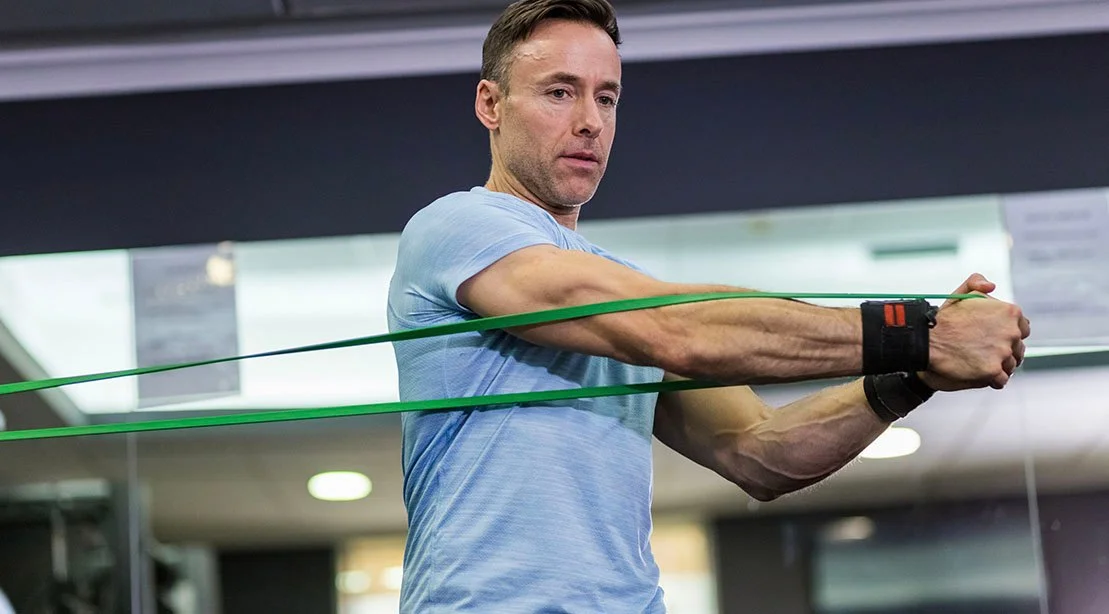
Huffman fits three or four 30-minute HIIT sessions into most weeks, usually starting at 6:15 a.m. He knows an afternoon workout is unlikely to happen: “If I do it any time afternoon, I’m too tired and lazy and I won’t do it.”
The early start helps him build momentum before work takes over, and he notices the effect on his mood and leadership. “I am in such a better mood and a better leader when I get that going,” he said. “If I skip my workout, I’m probably a grump.” He plans around his calendar and accepts that some weeks won’t go perfectly.
His wife, who works at Amazon and keeps up her own fitness routine, helps make healthy habits part of home life. “Partner selection is so crucial to this,” Huffman said. He sees a supportive partner as important to staying consistent and keeping work in perspective, especially through the ups and downs of entrepreneurship.
His view of fitness echoes his approach to business: small actions accumulate. “We all know it’s like you need to be the 10-year overnight success where these small things compound,” he said. “That’s what works with fitness. That’s what works with diet. That’s what works with business.”
Build the foundation before adding categories
Huffman wants Neat to become a household name, starting with men’s apparel. Women’s clothing, wholesale, international markets, and new products—including polos, henleys, long sleeves, and possibly underwear—are potential next steps. For now, he’s focused on meeting demand for the current men’s collection and improving it before widening the range.
That restraint is deliberate. “Shiny object syndrome is something I suffer from, and that can hurt a lot of businesses,” he said. His advice to people entering apparel is to know the customer and offer a real reason to choose the product. “Don’t be afraid to go smaller rather than bigger. Niche down because I think that’s where the future is going.”
A familiar name alone won’t defend a clothing business, in his view. Neat’s patent and product technology give it a more concrete point of difference. Whether that proves enough to support the company’s ambitions remains to be seen.
Huffman doesn’t define achievement only by revenue, television exposure, or building a nine-figure company. Asked about his proudest accomplishment, he spoke about his family: “It’s just like having a family that is along for the ride and loves being together with all of this.” He has seen work success come at the cost of family life and doesn’t want that trade.
“It’s not a sexy answer, but it’s just like the biggest success is the little family we built.” For Huffman, the destination matters less than what the business makes possible along the way—and who gets to share it with him.


Discussion
Sign in to join the discussion.