Choose frozen meals with 20g or more protein, plenty of fiber and vegetables, and mindful sodium and added sugar. Compare labels to find better options.
Frozen meals have become a more useful backup than their old reputation suggests. The best ones can put a satisfying, protein-rich meal on the table in minutes, without forcing you to choose between convenience and decent nutrition. The freezer aisle still has plenty of old-school mac and cheese and Salisbury steak, but it now includes options with more vegetables, whole grains, and fresher-tasting ingredients. The catch: nutrition varies widely, so the label matters.
What to look for on the label
Start with the ingredient list. If most of it looks familiar, that’s a good sign; long lists of flavorings, emulsifiers, and thickeners deserve a closer look. Then check the nutrition panel against a few practical benchmarks:
Protein: Aim for at least 20 grams per meal. Protein can support muscle-building efforts and help you stay full, which may make overeating less likely.
Fiber: Five grams or more is a useful target, especially when it’s hard to get enough fiber across the day. If a meal falls short, add vegetables or seeds, or serve it with a side salad or steamed vegetables.
Vegetables: Frozen entrées can be sparse on produce. Look for meals with at least two kinds of vegetables, or add spinach, arugula, peppers, broccoli, or green peas yourself.
Sodium: Salt and other sodium-containing ingredients help preserve frozen food and shape its flavor and texture. Ideally, keep a meal at 800 milligrams or less. Many exceed that, so consider the rest of your day’s sodium intake.
Added sugar: Sugars naturally present in vegetables aren’t the same as sugars added during manufacturing. Sweet glazes and barbecue or teriyaki sauces can push added sugar higher; look for 5 grams or less on the label.
Grains: White rice and regular pasta remain common, but brown rice and quinoa offer more nutrients and fiber. White flour isn’t an automatic dealbreaker. A newly released study review found that eating 60 to 100 grams of whole grains daily was most protective against heart disease.
Saturated fat: For long-term heart health, a useful target is less than 6 grams per meal.
Frozen meals worth a spot in the freezer
These picks cover quick breakfasts, comfort food, and full meals. Some make particularly strong nutritional showings; others have a trade-off worth knowing before you buy.
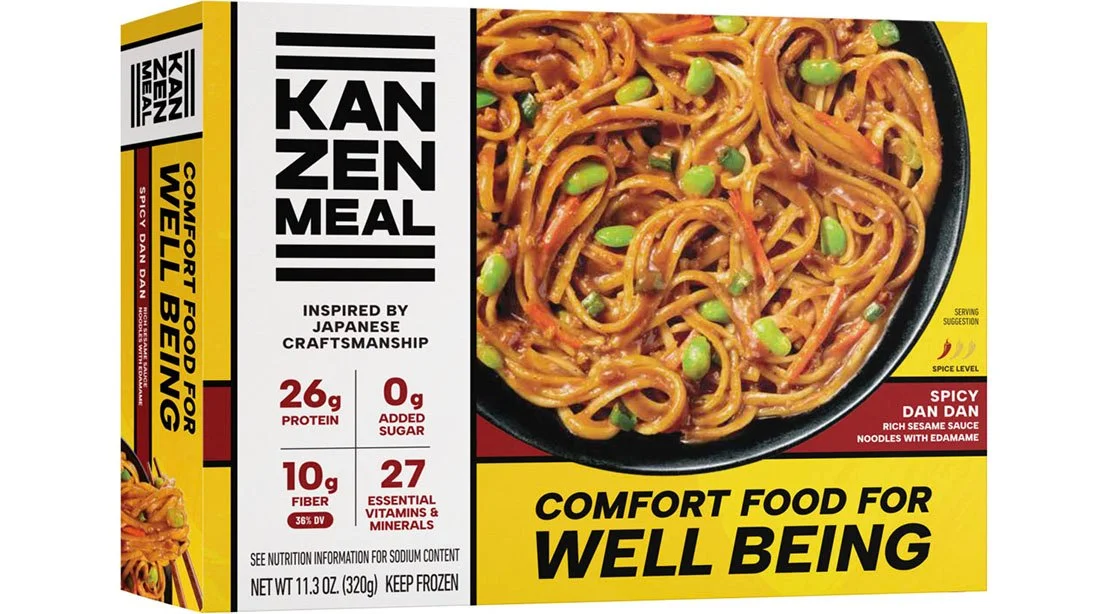
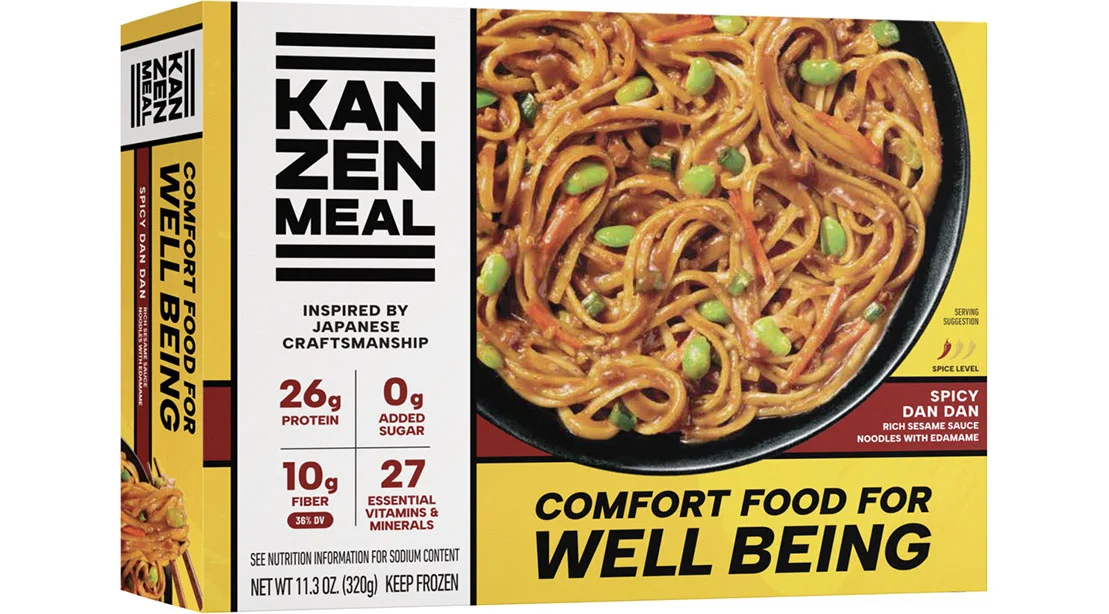
Nutrition per meal: 590 calories; 22g fat, including 4.5g saturated fat; 620mg sodium; 76g carbohydrates, including 10g fiber and 6g sugar; 26g protein.
This is a convincing case for frozen food that’s both nutrient-dense and enjoyable to eat. Kanzen means “complete” in Japanese, and the meal backs up that name with 26 grams of protein and a long list of added nutrients. Vital wheat gluten gives the noodles their high protein content; they’re tossed with edamame, scallions, and carrots in a rich sesame sauce. There’s no added sugar, and it’s ready in minutes. That’s a lot to ask of a freezer meal, and this one delivers.
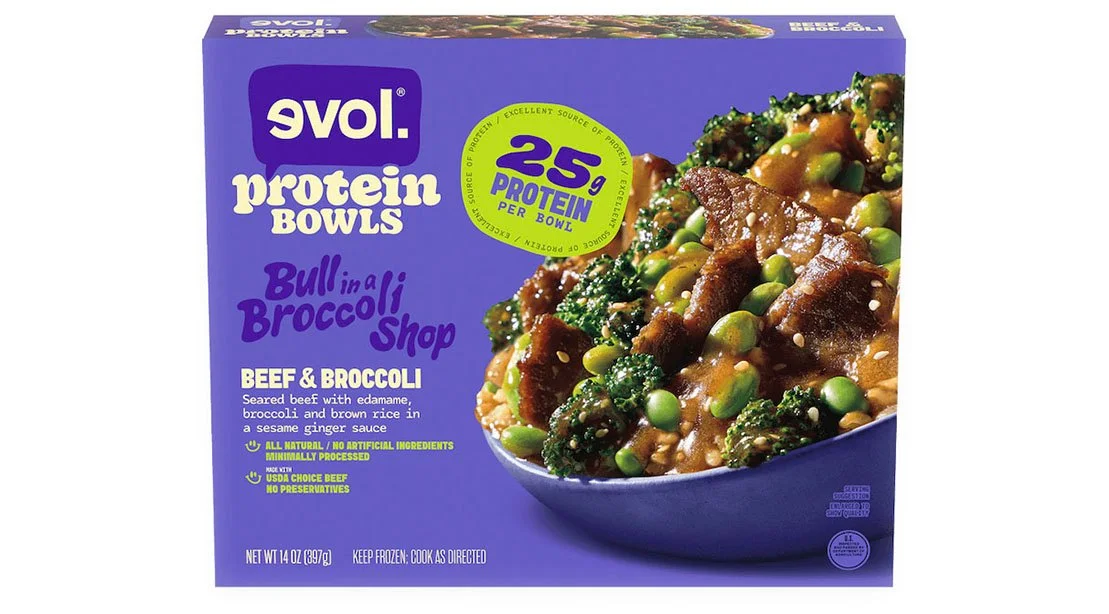
Nutrition per meal: 480 calories; 18g fat, including 3.5g saturated fat; 1,330mg sodium; 55g carbohydrates, including 6g fiber and 10g sugar; 25g protein.
Brown rice, broccoli, edamame, and generous pieces of beef make this a filling bowl, finished with an umami sauce. Its 25 grams of protein and 6 grams of fiber are solid numbers for a quick lunch or dinner. The sodium is the clear drawback at 1,330 milligrams, so keep the rest of your meals lighter on salt.
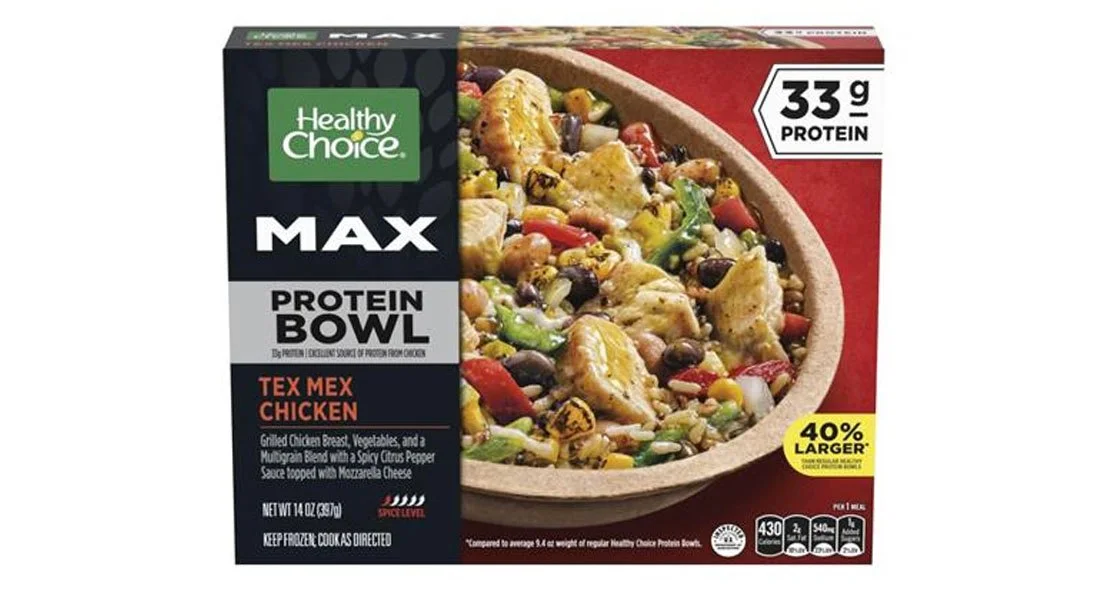
Healthy Choice Tex Mex Chicken
Nutrition per meal: 430 calories; 9g fat, including 2g saturated fat; 540mg sodium; 52g carbohydrates, including 12g fiber and 7g sugar; 33g protein.
The numbers are unusually strong: 33 grams of protein and 12 grams of fiber, with 540 milligrams of sodium. Chicken breast, black beans, red quinoa, other whole grains, and fire-roasted corn bring the Tex-Mex flavor. If you want a microwave meal that can keep hunger at bay, this is one of the better-balanced choices here.
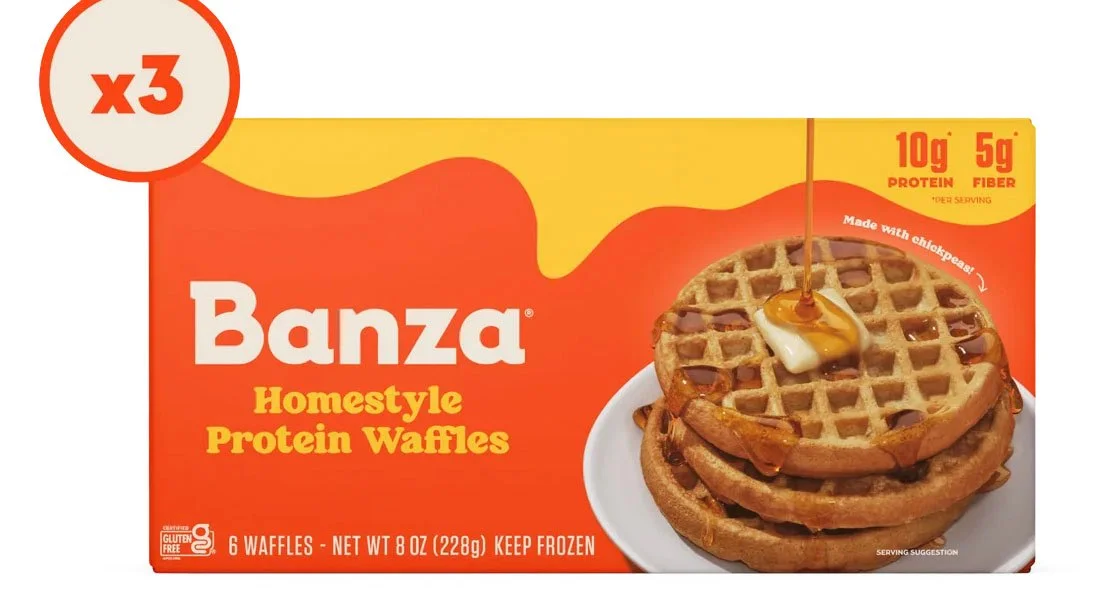
Banza Homestyle Protein Waffles
Nutrition per meal: 240 calories; 4g fat, including 3.5g saturated fat; 210mg sodium; 22g carbohydrates, including 5g fiber and 5g sugar; 10g protein.
Frozen waffles are an easy breakfast, and these bring more to the table than a standard toaster waffle. Chickpeas, egg whites, and pea protein add protein and fiber, while giving the waffles a mild nutty flavor. They toast crisp outside and soft in the middle. For a fuller breakfast, add Greek yogurt and berries.
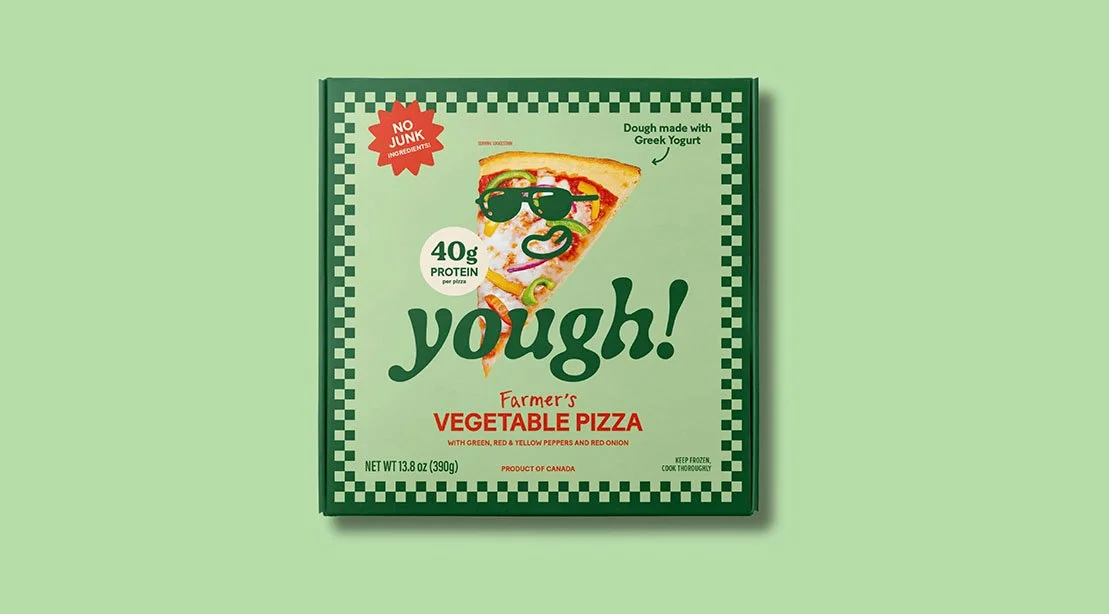
Yough Farmer’s Vegetable Pizza
Nutrition per half pizza: 350 calories; 7g fat, including 4g saturated fat; 600mg sodium; 48g carbohydrates, including 3g fiber and 5g sugar; 20g protein.
For a late-night pizza craving, Yough’s whole-wheat and Greek-yogurt crust offers a way to raise protein without turning the meal into a grease slick. The topping is straightforward: tomato sauce, mozzarella, and plenty of sliced peppers. The company says its boxes contain “no junk ingredients,” and the ingredient list supports that claim. One practical catch: this pizza is sold in the grocery section of Target stores.
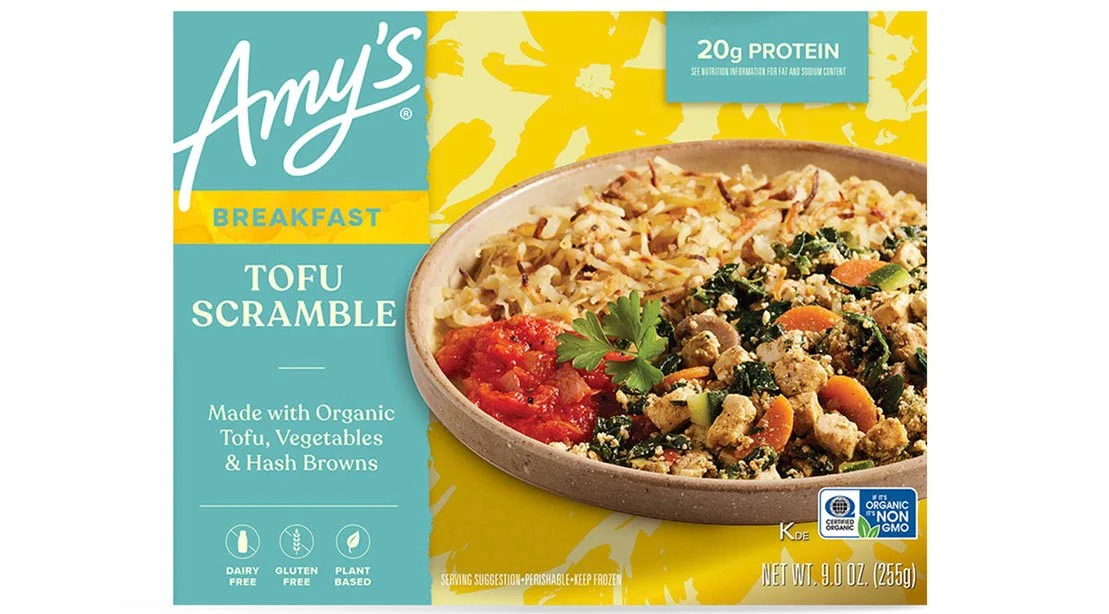
Nutrition per meal: 400 calories; 26g fat, including 3.5g saturated fat; 780mg sodium; 20g carbohydrates, including 5g fiber and 4g sugar; 20g protein.
A plant-based frozen meal can still deliver meaningful protein. Amy’s combines scrambled organic tofu with vegetables, hash browns, and a chunky tomato sauce for a meal that works at breakfast, lunch, or dinner. It has 20 grams of protein; a few generous squirts of hot sauce wouldn’t hurt.
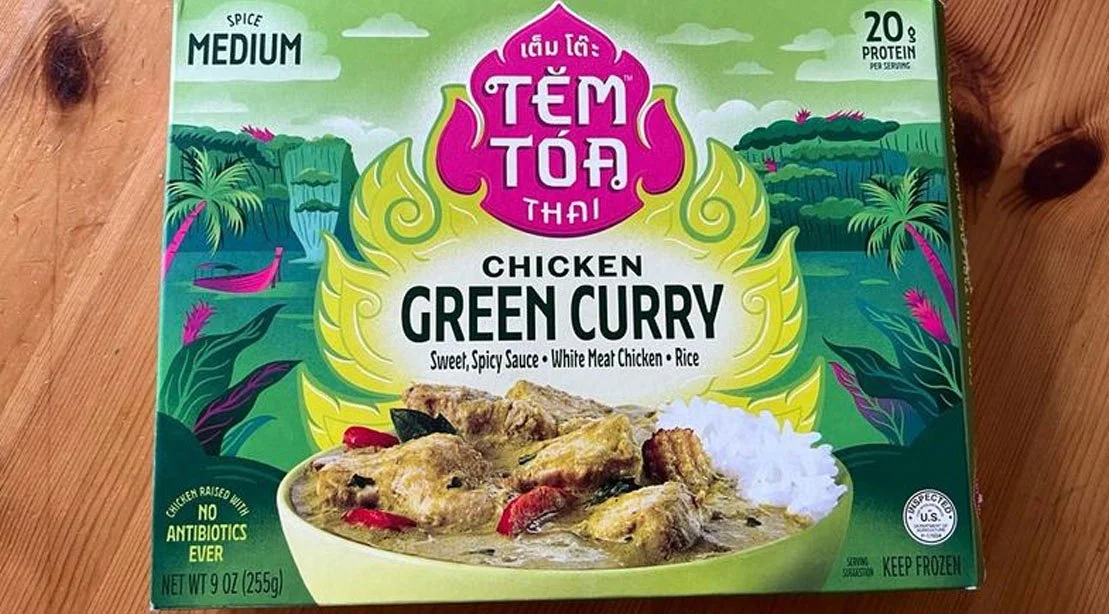
Nutrition per meal: 430 calories; 14g fat, including 4.5g saturated fat; 920mg sodium; 54g carbohydrates, including 3g fiber and 9g sugar; 22g protein.
The chicken stays surprisingly juicy, and the green curry sauce brings lemongrass, galangal, cilantro, and jaggery together over jasmine rice. Its 22 grams of protein help make the meal satisfying. Fiber is modest at 3 grams, so pair it with a side salad or sautéed frozen vegetables. Tem Toa’s Pad Thai meals are also highly rated.
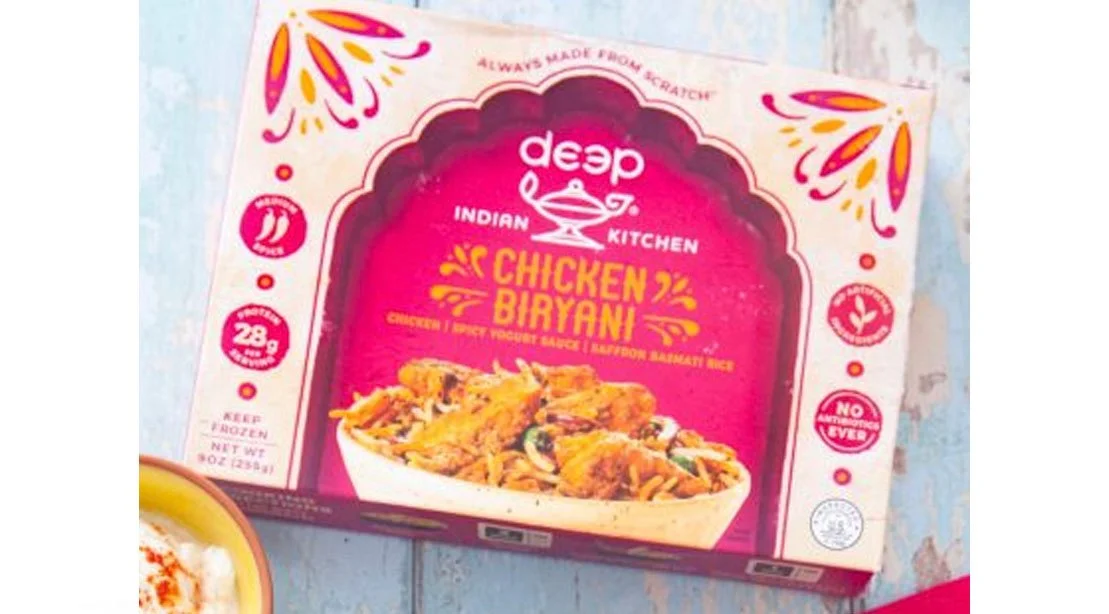
Deep Indian Kitchen Chicken Biryani
Nutrition per bowl: 320 calories; 15g fat, including 4g saturated fat; 1,100mg sodium; 32g carbohydrates, including 7g fiber and 2g sugar; 28g protein.
This biryani goes from freezer to plate in under five minutes, and its aroma is part of the appeal. White chicken is marinated in spiced yogurt and served over saffron rice; mint, yogurt, onion, and fenugreek anchor the biryani sauce. The 28 grams of protein give the 320-calorie bowl staying power. Sodium is high at 1,100 milligrams, so plan accordingly for the rest of the day.
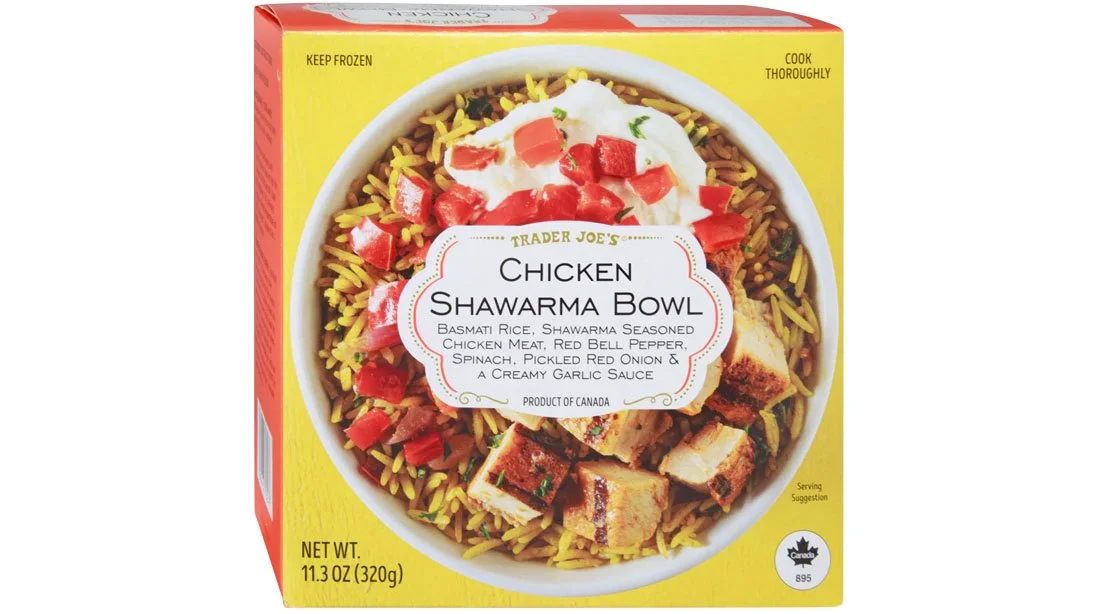
Nutrition per bowl: 400 calories; 12g fat, including 3.5g saturated fat; 720mg sodium; 52g carbohydrates, including 4g fiber and 3g sugar; 20g protein.
Trader Joe’s has a strong frozen-food selection, and this bowl makes a good case for it. Basmati rice, spinach, peppers, shawarma-seasoned chicken, pickled red onion, and creamy garlic sauce make a hearty meal with 400 calories and 3.5 grams of saturated fat. At $3.99, it also costs less than ordering a comparable meal at a restaurant.
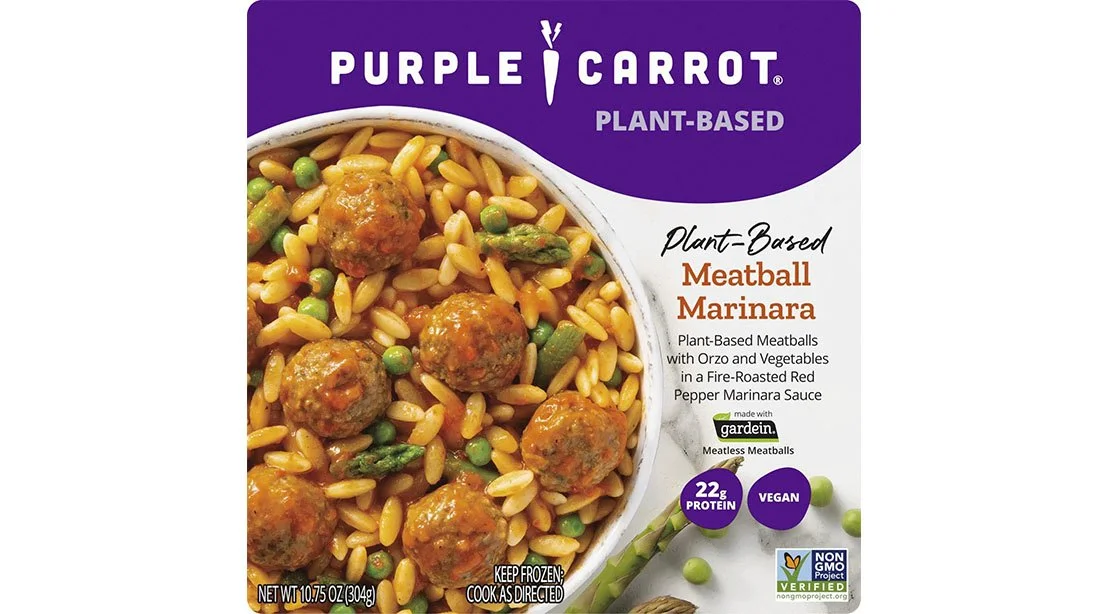
Purple Carrot Meatball Marinara
Nutrition per container: 390 calories; 10g fat, including 1g saturated fat; 920mg sodium; 53g carbohydrates, including 6g fiber and 9g sugar; 22g protein.
Many plant-based frozen entrées come up short on protein; this one reaches 22 grams. Meatless high-protein meatballs sit alongside orzo and a red pepper marinara sauce. At 390 calories, it’s a manageable portion of comfort food with a surprisingly homemade feel.
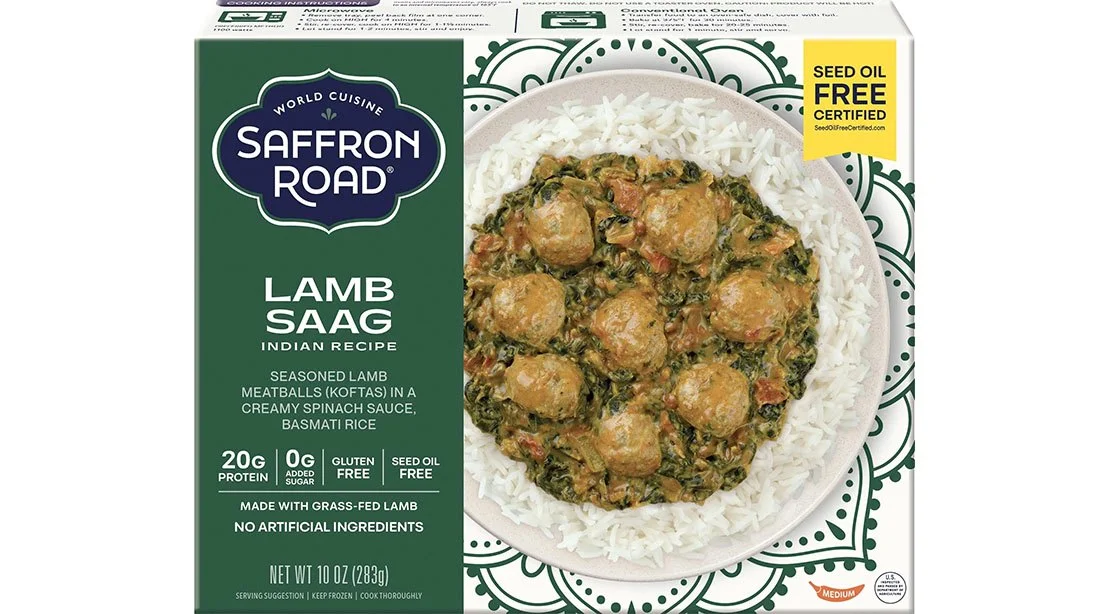
Nutrition per meal: 430 calories; 20g fat, including 7g saturated fat; 700mg sodium; 46g carbohydrates, including 6g fiber and 5g sugar; 20g protein.
Lamb offers a welcome change from the chicken and beef that dominate the freezer case. Tender lamb meatballs come in a spinach sauce with fluffy basmati rice, and the ingredient list is pared back to recognizable foods. The meal also provides iron, potassium, and vitamin A. Its 7 grams of saturated fat exceed the under-6-gram benchmark, a trade-off worth seeing clearly on the label.
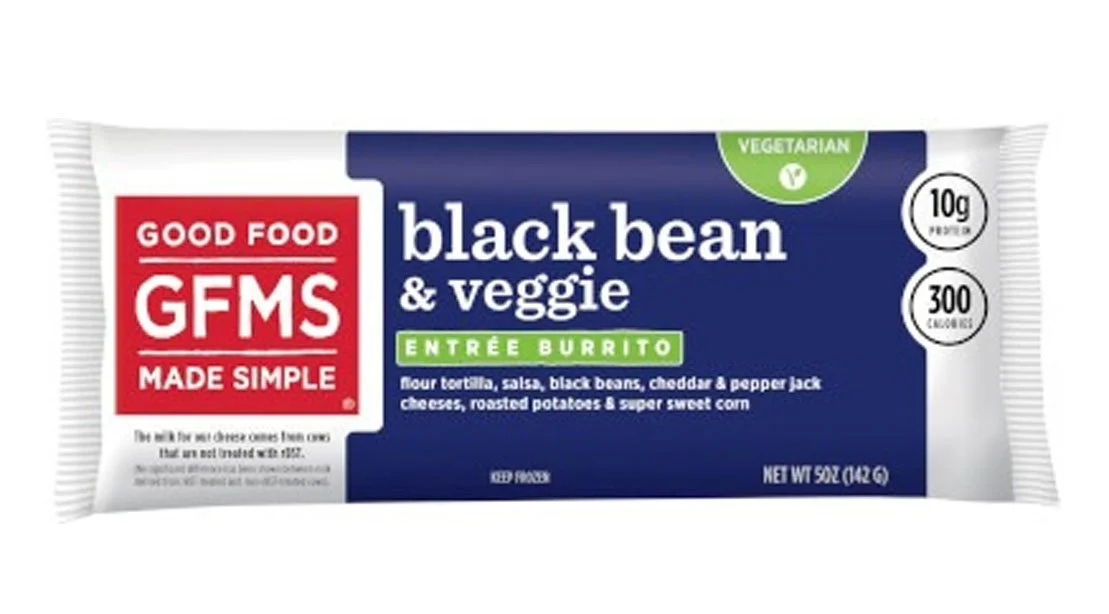
Good Food Made Simple Chicken and Black Bean Burrito
Nutrition per burrito: 310 calories; 9g fat, including 3.5g saturated fat; 380mg sodium; 40g carbohydrates, including 4g fiber and 2g sugar; 14g protein.
Frozen burritos are fast and portable, though many have nutrition panels that make them harder to recommend. This one keeps sodium and saturated fat relatively low while combining chicken, black beans, rice, cheddar, and organic salsa in a tortilla. At 14 grams, its protein is below the 20-gram target; having two on a training day makes for a more substantial meal and raises the protein total.
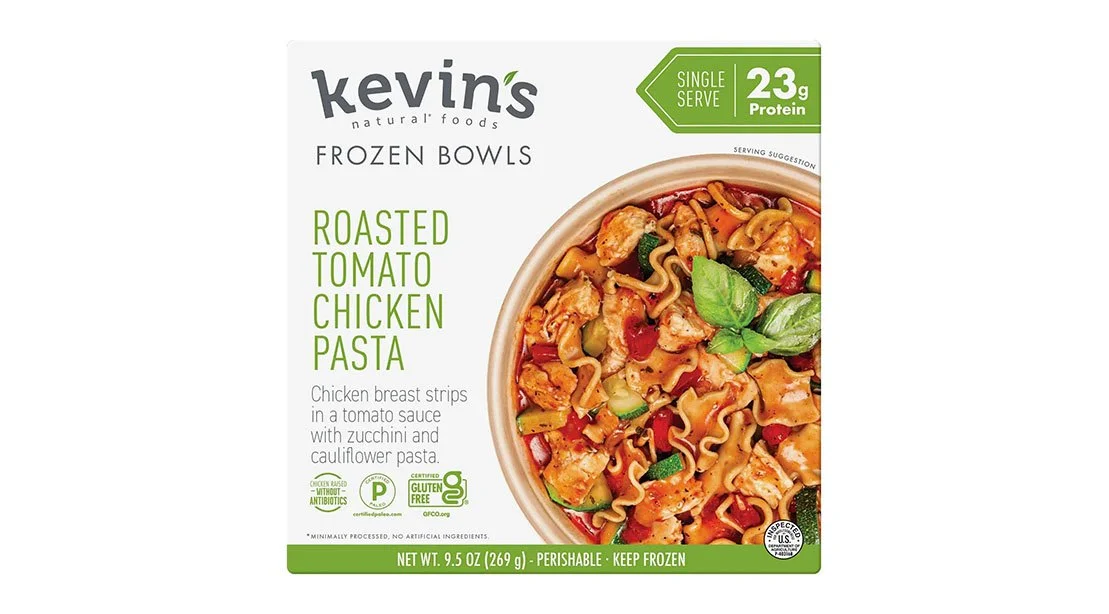
Kevin’s Roasted Tomato Chicken Pasta Bowl
Nutrition per meal: 280 calories; 10g fat, including 2.5g saturated fat; 630mg sodium; 23g carbohydrates, including 3g fiber and 5g sugar; 23g protein.
At 23 grams of protein for 280 calories, this bowl has one of the strongest calorie-to-protein ratios among the picks here. Tender chicken, fire-roasted tomato sauce, and fresh herbs keep it lively, while cauliflower pasta keeps carbohydrates down. It’s gluten-free and contains just 1 gram of added sugar. Fiber is only 3 grams, so add vegetables such as chopped spinach or sautéed zucchini.
Heating frozen meals in their packaging
Some plastic and cardboard microwave trays may have plastic linings containing compounds such as phthalates and bisphenol. These substances may transfer from packaging to food when heated. If you’d rather avoid heating food in its tray, move it to a glass or other non-plastic microwave-safe dish:
- Let the meal sit out for a few minutes so it softens slightly.
- Move the partly thawed food from its tray into a microwave-safe dish.
- Cover it with a food-safe silicone lid and heat according to the package directions.
- If the directions call for puncturing the plastic film, set the lid slightly askew instead so steam can escape.



Discussion
Sign in to join the discussion.