Sports physician Jordan Metzl says lasting fitness depends on consistent strength and cardio work, gradual training changes, good recovery and adapting with age.

Training well after 40 depends less on expensive recovery gear than on habits practiced over time. Sports medicine physician Jordan D. Metzl says the fundamentals behind athletic longevity—strength, cardiovascular fitness, sleep, nutrition and sensible training loads—are within reach for people who don’t have professional athletes’ support teams. The challenge is adjusting those habits as the body changes.
Elite competitors can draw on personal trainers, nutritionists, physical therapists, sports scientists, physicians and recovery specialists. Their teams can monitor training, sleep, nutrition and performance. That support matters, Metzl says, but it doesn’t make the basic ingredients of sustained activity exclusive to professionals.
Metzl, a physician at Hospital for Special Surgery in New York City and founder of the IronStrength fitness community, has written books including Running Strong and The Athlete’s Book of Home Remedies. At 60, he says he still runs marathons and competes in triathlons, though his approach to training and competition has changed over time. His experience points to a practical lesson: longevity is built through consistency and adaptation, not by trying to train as if age had made no difference.
Consistency is the foundation
Muscle mass, cardiovascular fitness, adequate sleep, nutritious food and carefully managed training loads all contribute to staying active, Metzl says. None requires access to a professional sports facility. The harder part is making these practices regular enough to last.
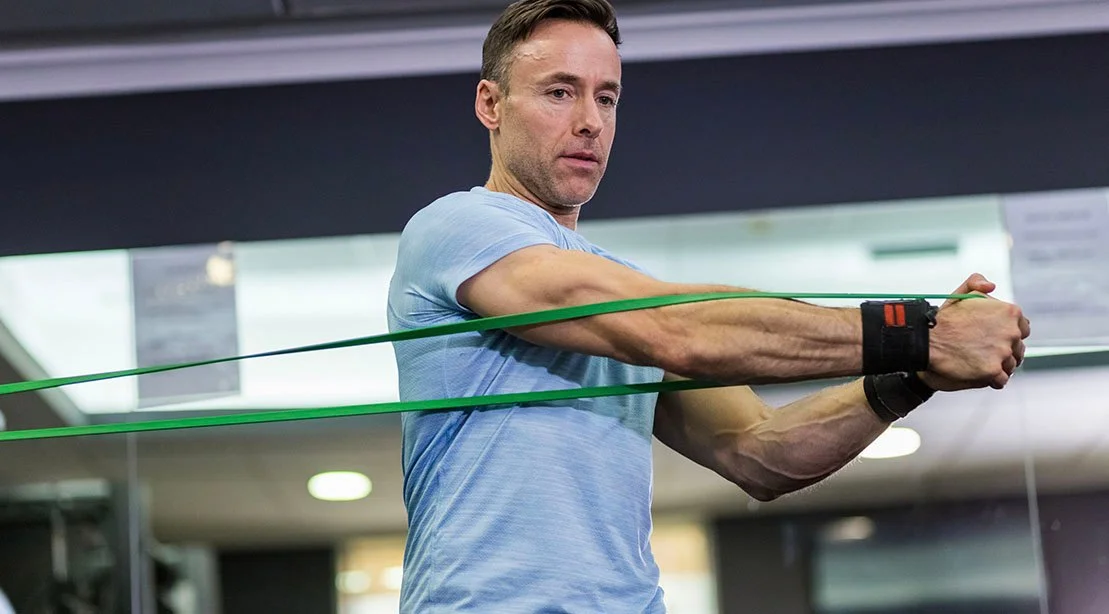
Strength training deserves a central place in that routine. Metzl describes maintaining muscle and strength as a major investment in long-term health and injury prevention. Aerobic fitness matters too, so a program made up entirely of lifting would miss an important part of the picture. The goal is to keep both the muscles and the cardiovascular system prepared for activity.
Consistency also depends on choosing exercise a person can sustain. Metzl’s advice to patients who haven’t exercised in years is to begin with a manageable daily habit instead of attempting a demanding workout immediately. A 10- or 15-minute walk can provide a starting point. From there, people can build duration and intensity gradually, add resistance training twice a week, and work on balance and mobility.
The World Health Organization recommends 150 to 300 minutes of moderate-intensity aerobic activity each week, along with muscle-strengthening activity at least twice weekly. Metzl stresses that this target shouldn’t keep people from beginning with less. Short bursts of vigorous activity can also be beneficial, and even a small amount of movement is a start.
Age changes the training calculation
Metzl treats aging as a reason to plan more carefully, not to give up running, tennis, skiing or weight training. The body’s response to training can shift with age: tendons may tolerate sudden increases in workload less well, recovery can take longer, and cartilage changes can make some activities more symptomatic.
In his practice, he sees tendon problems affecting the Achilles and patellar tendons and the rotator cuff. Other common issues include knee arthritis, meniscus injuries, hamstring and calf strains, and bone stress injuries. These are among the reasons to avoid abrupt jumps in mileage, intensity or total training volume.
“One of the biggest mistakes people make as they get older is assuming that they can train exactly the way they did when they were 25,” Metzl says. The adjustment, in his view, is to give more attention to preparation, progression and recovery. A familiar sport can remain part of a person’s life, but the workload and recovery schedule may need to change.
Persistent or progressively worsening pain is a signal to investigate, Metzl advises. Paying attention to symptoms can help people recognize when their current approach needs to be reconsidered. Listening to the body sits alongside sleep and nutrition as part of recovery, rather than serving as an afterthought once training is done.
Train with the long view
Professional athletes such as LeBron James offer a useful example of adaptation, Metzl says. Training at 40 differs from training at 20; athletes may change their workloads, recovery schedules and approach to competition. The lesson for the public isn’t to copy an elite training plan. It’s to adjust routines as individual needs change, while keeping the underlying habits consistent.
That approach can also help people returning after a long break. Starting with a short walk, then gradually adding resistance work, balance practice, mobility and more aerobic activity, gives the body time to adapt. A sudden attempt to run five miles or spend an hour in the gym may be a poor fit for someone who hasn’t exercised in years.
Metzl says age-related losses in muscle, strength and aerobic capacity are at least partly modifiable. The aim needn’t be matching a professional athlete’s performance. It can be preserving or improving personal capacity at each stage of life. For Metzl, that has meant changing how he trains while continuing to run marathons and take part in triathlons.
The practical takeaway is straightforward: build a routine around strength and aerobic fitness, increase training gradually, make recovery a priority and respond to persistent pain. No one needs an elite athlete’s resources to start. The habits that support long-term activity are ordinary; their value comes from repeating them over the years.
Metzl’s book PUSH: Unlock the Science of Fitness Motivation to Embrace Health and Longevity is available now.


Discussion
Sign in to join the discussion.