Hidradenitis suppurativa often arises in sweat-prone and friction-heavy body areas, complicating skin health due to inflammation and discomfort.
What is Hidradenitis Suppurativa?
Hidradenitis suppurativa (HS) is more than just a chronic skin disorder; it represents a significant medical challenge for those affected. Characterized by painful, boil-like lumps in areas filled with hair follicles and apocrine glands, HS presents ongoing discomfort far beyond its physical symptoms. This condition stems from chronic inflammation rather than an infection, which often leads to misconceptions about how to treat or manage it. The psychological toll can be profound, as visible symptoms can foster feelings of shame or anxiety, impacting mental health. Understanding HS is essential not only for those who suffer from it but also for healthcare providers who may encounter the condition in their practices.
Identifying HS: Key Factors
While the exact origins of HS remain elusive, various factors appear to trigger its onset. Genetics plays a role; studies suggest that individuals with a family history of HS are more susceptible, indicating a hereditary component. Hormonal imbalances, especially during puberty or menstruation, are also considered significant contributors. Environmental triggers, such as obesity, smoking, and friction from clothing, can exacerbate symptoms, making lifestyle adjustments a potential avenue for relief. By identifying the key factors that lead to HS, patients and healthcare providers can work together towards earlier diagnosis and improved management strategies. Understanding your body and its signals is vital.
Common Body Areas Affected by HS
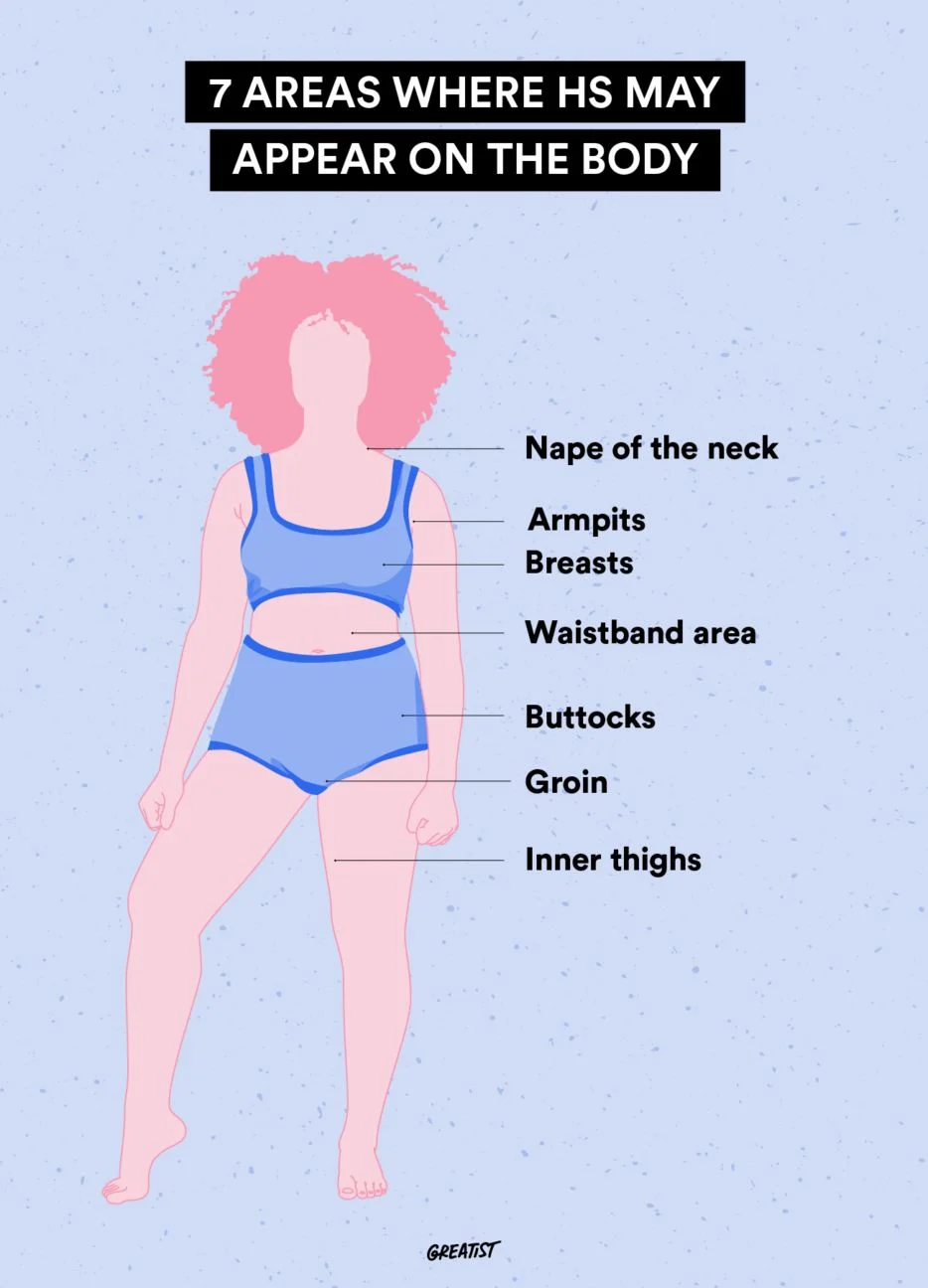
HS can manifest in multiple regions of the body, with specific areas more commonly affected. Below are seven key regions where hidradenitis suppurativa is frequently found. Each area presents unique challenges and requires tailored approaches to management.
1. Armpits
The underarms are particularly susceptible due to the dense concentration of hair follicles and sweat glands in the area. Friction from activities like exercise can intensify symptoms, turning everyday movements into painful experiences. Using deodorants or shaving can further irritate the skin, increasing the likelihood of flare-ups. It’s essential to be mindful of skincare routines and consider more sensitive products to minimize irritation.
2. Breasts
HS is often observed around the breasts, particularly underneath and around the areolae. This area is prone to chafing from bras, which can create an environment conducive to bacteria growth and inflammation. Hormonal fluctuations may also render breast tissue more susceptible to HS. For those affected, a thoughtful approach to undergarments and fabric types may help reduce discomfort.
3. Groin
The groin area is an ideal environment for HS due to persistent heat and moisture. This combination can lead to blocked pores, and consequently, HS flare-ups. Regular grooming or care routines in this sensitive area can potentially trigger outbreaks. It becomes increasingly important for individuals to practice gentle grooming habits and remain aware of any early symptoms, which might allow for timely intervention.
4. Inner Thighs
Similar dynamics at play in the groin are also present in the inner thighs. Excessive sweating and skin-on-skin contact can lead to an increase in friction, encouraging HS lesions to develop. This issue often extends to clothing choices, where tight garments may worsen symptoms. Awareness of this risk is crucial, as taking preventive measures can mitigate flare-up potential.
5. Buttocks
The buttocks, including the gluteal folds and areas surrounding the anus, are sometimes overshadowed in discussions about HS, yet they are frequently impacted. Everyday actions, such as sitting, can lead to friction and aggravation in these regions. Interestingly, HS has been associated with inflammatory bowel disease, though research is ongoing to determine the full scope and nature of this linkage. If you're working in this space, it might surprise you to realize how interconnected these health issues can be.
6. Nape of the Neck
Though less commonly discussed, HS can arise at the nape of the neck, particularly due to friction from clothing or accessories. Sweat can accumulate here, leading to blocked follicles. The importance of this area shouldn’t be underestimated, as the discomfort it causes can be just as disruptive as in more frequently affected regions.
7. Waistband Area
Friction from tight clothing, particularly waistbands, can lead to HS lesions forming around the abdomen, back, and sides. These areas are often irritating, prime locations for flare-ups. Adopting looser clothing might not only lead to increased comfort but also a decrease in the frequency of outbreaks.
Implications of Hidradenitis Suppurativa
The implications of HS extend beyond immediate physical discomfort. Patients often face stigma or misunderstandings about their condition, leading to feelings of isolation. The visible nature of HS can impact personal relationships and social interactions, which may lead to emotional distress. Long-term studies show that patients with HS may experience higher rates of anxiety and depression, underlining the need for supportive care strategies. Addressing both physical and mental health aspects is crucial to improving the quality of life for affected individuals.
Addressing HS
Dealing with hidradenitis suppurativa can complicate not just daily life but also one's overall sense of well-being. Its effects are most pronounced in areas susceptible to sweat and friction. If you suspect HS, consulting a dermatologist is paramount for receiving an accurate diagnosis and developing an effective treatment plan. This condition can also be chronic, emphasizing the importance of early intervention, which can help slow disease progression and enhance the quality of life. Careful management, lifestyle adjustments, and understanding one's triggers can contribute significantly to living well with HS.



Discussion
Sign in to join the discussion.