Explore effective strategies to reduce protein-related gas without sacrificing your dietary goals, enhancing both digestion and comfort.

Protein-induced flatulence, although often uncomfortable, is a common outcome for those adhering to high-protein diets. The root of the issue lies in the digestive process where gut bacteria break down proteins, leading to the production of gases like hydrogen sulfide, notorious for its unpleasant smell. While protein itself isn't the sole cause, certain additives in supplements can exacerbate the situation. Understanding the complexity behind this phenomenon provides valuable insights for anyone looking to optimize their diets while minimizing discomfort.
Understanding Protein Flatulence
Flatulence occurs from various gases produced during digestion, and protein supplements often lead to increased gas production. Notably, many protein powders contain ingredients that can trigger gas, particularly lactose in whey proteins. For those who are lactose intolerant or sensitive, whey protein can be especially problematic, as undigested lactose ferments in the colon, generating gas. According to digestive health experts, this fermentation process not only creates gas but can also cause belly bloating, cramping, and discomfort.
Moreover, artificial sweeteners found in some protein products are also known to contribute to increased flatulence. Ingredients like sorbitol and mannitol are common culprits that can wreak havoc on digestion. When these sweeteners pass through the digestive system without being absorbed, they can ferment in the intestines, causing gas production that rivals the discomfort typically associated with lactose intolerance.
Common Causes of Protein Farts
While protein itself doesn't inherently cause gas, protein supplements can contain non-protein ingredients that lead to flatulence. Many such products include whey or casein, both derived from dairy and often containing lactose, which can worsen digestion. If your body struggles to break down these substances, they can pass through to the intestines, leading to fermentation and excess gas. For example, casein digesting slowly can prolong discomfort compared to other protein sources.
Interestingly, even individuals who digest dairy well may experience discomfort from the additives in protein powders, like sugar alcohols and thickeners. These additives can be particularly challenging for the digestive system, as they often disrupt the natural microbiome balance, contributing to gas and bloating. Not everyone considers this dimension of additives, and it's an oversight that can keep some people mired in digestive issues for longer than necessary. This situation can be compounded for those with an intolerance to proteins, particularly from plant-based sources such as beans, further contributing to flatulence issues.
Practical Solutions for Reducing Flatulence
To minimize the sound and smell of protein-related gas, consider these practical adjustments:
1. Gradual Increase
Start by slowly increasing your protein intake to give your digestive system time to adapt. Rapidly jumping to high protein levels can overwhelm your gut, leading to excessive gas production. This approach isn't just about quantity; how and when you introduce protein into your diet can significantly impact your body's ability to process it efficiently.
2. Hydration is Key
Stay well-hydrated. Adequate water intake supports digestive processes and helps your body better handle increased protein levels. Water facilitates nutrient breakdown and absorption, key to preventing gas accumulation. If you’re increasing protein, think about how hydration plays a role in that equation; dehydration can exacerbate digestive issues, including flatulence.
3. Digestive Enzyme Supplements
Enzyme supplements, like Beano or Lactaid, can be quite beneficial. These products assist in breaking down proteins and lactose, easing the digestion of protein-rich foods. Many folks overlook these supplements, but they can provide immediate relief for those experiencing discomfort, enabling better enjoyment of a protein-packed diet.
4. Diverse Protein Sources
Varying your protein sources can be effective in alleviating gas. If you find whey protein troublesome, experiment with other forms, such as plant-based proteins or specific animal proteins, which may be gentler on the digestive tract. Think about integrating fish, eggs, or tofu into your routine. Each of these alternatives brings a different amino acid profile and digestibility factor to the table, which could help mitigate gas production.
5. Mind Your Mixers
Consider what you mix with your protein powder. Adding high-fiber ingredients or certain fruits can heighten gas production. Balance is essential: enjoy the benefits of both protein and fiber while minimizing discomfort. It's all about understanding how your individual digestive system reacts to various combinations.
6. Incorporate Probiotics
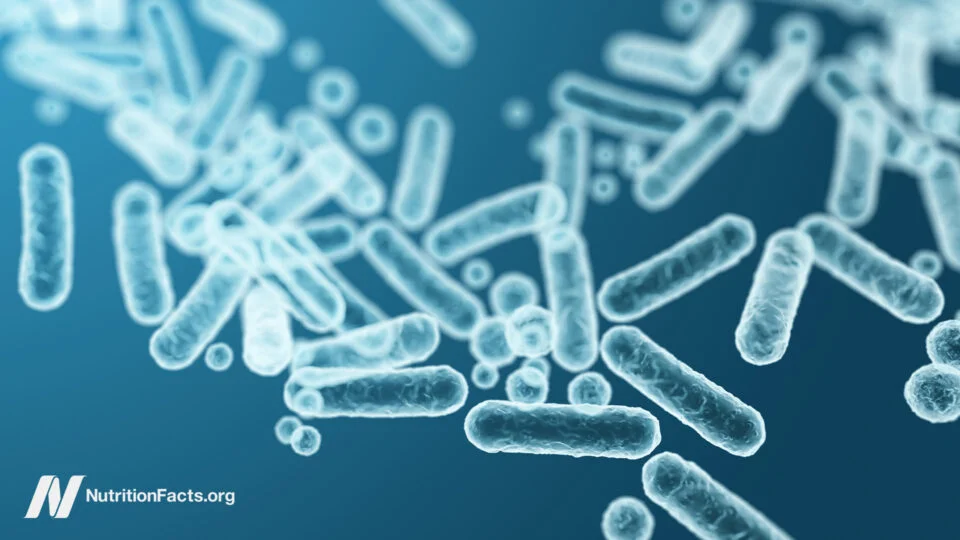
Boosting your gut health with probiotics may help mitigate gas issues. Incorporate probiotic-rich foods such as yogurt, kefir, or sauerkraut into your diet, or opt for probiotic supplements to enhance digestive health. Cultivating a healthy gut microbiome may very well be your secret weapon against post-meal bloating.
Implications and Future Outlook
The implications of these findings extend beyond mere comfort. For athletes or bodybuilders, the pressure to increase protein intake can lead to unintended consequences that hinder performance. Unchecked gas and bloating can distract focus during workouts and impact overall recovery. If you're working in this space, it's essential to take these issues seriously. The drive for higher protein intake shouldn’t come at the cost of digestive health; investing a bit of time in finding the right supplements and food combinations can pay off in sustained performance and enjoyment of your dietary habits.
And here's the part most people overlook: the digestive system's response can change over time. What works today might not work tomorrow as your body adapts or your dietary habits shift. Being aware of these dynamics can make all the difference in navigating food choices that align with your health goals.
Final Thoughts
Though protein farts are a natural consequence of high-protein diets, they needn't derail your fitness routine. By adjusting your protein intake approach, hydrating adequately, exploring enzyme supplements, diversifying your protein choices, and potentially adding probiotics to your diet, you can enjoy your nutritional gains without the unwanted side effects. It's about finding balance and being mindful of how your body responds. After all, the journey to optimal health is often paved with learning and adjustments.


Discussion
Sign in to join the discussion.