Creatine supplementation may elevate DHT levels, which could influence hair loss in genetically predisposed individuals, warranting medical consultation.
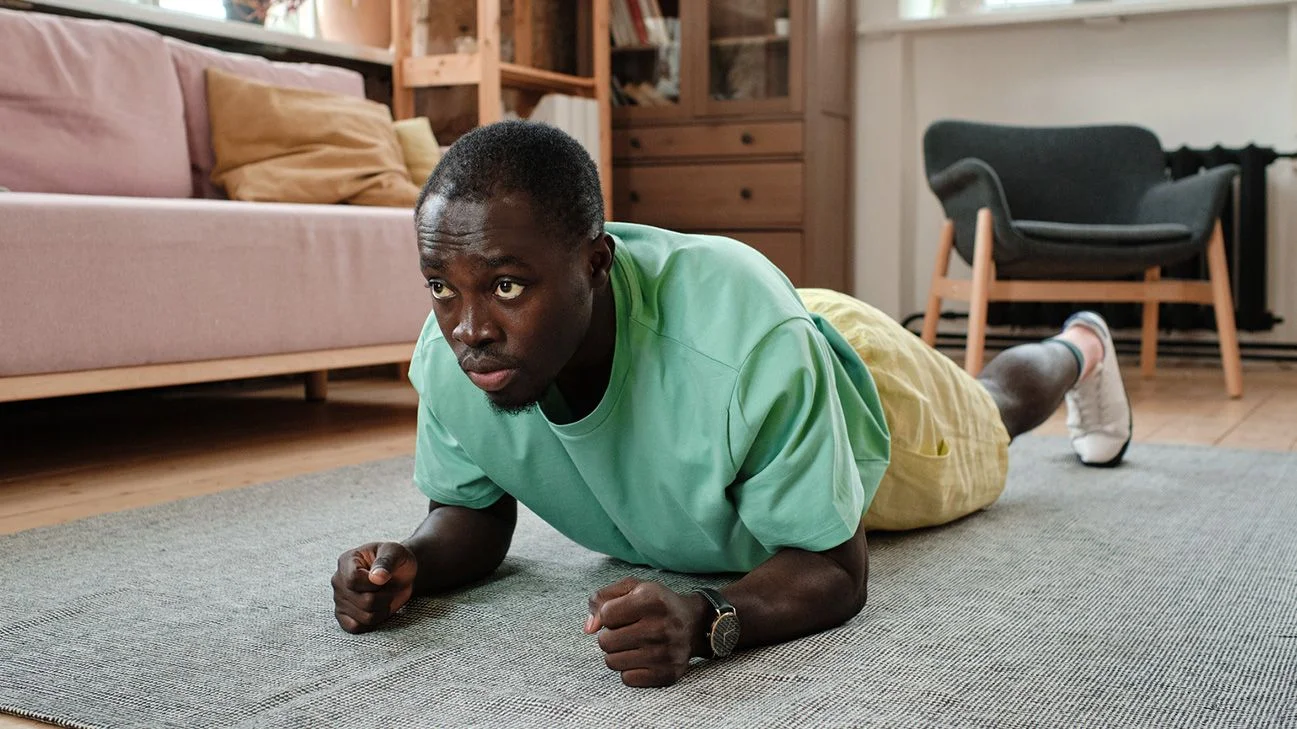
Creatine is renowned in fitness circles for aiding muscle development and enhancing athletic performance. Yet, beyond its benefits, there are important considerations regarding potential side effects, specifically concerning its relationship with dihydrotestosterone (DHT) levels and hair loss concerns.
Understanding Creatine
Creatine monohydrate occurs naturally within muscle cells, playing a vital role in generating adenosine triphosphate (ATP)—the primary energy source for intense physical activity. While it's present in foods such as red meat and fish, many athletes choose to supplement their intake to maximize ATP production, which can enhance energy levels during workouts. This boost in energy allows for improved performance in high-intensity exercise, making creatine a staple in many athletes' diets. But supplementing isn't just about performance; many users report enhanced recovery times and decreased muscle soreness, improving their training capacity over time.
Creatine and DHT Levels
Here's the crux of the issue: increasing creatine consumption might elevate your DHT levels. DHT is a metabolite of testosterone and is linked to male characteristics. However, its connection to hair loss is particularly pertinent for those genetically predisposed to androgenic alopecia, commonly known as male pattern baldness. While the testosterone to DHT conversion is a natural physiological process, any external influence that exacerbates this, like creatine, raises eyebrows, especially among men already worried about their hairline.
A pivotal study published in 2009 analyzed college-aged rugby players who ingested high doses of creatine—specifically, 25 grams per day. The results were striking: DHT levels surged by about 56% within a week. Even after reducing the dosage to 5 grams daily, levels remained elevated at around 40% above baseline after two additional weeks. Comparatively, a control group that received a placebo did not exhibit such increases. Such a dramatic rise in DHT makes you wonder about the implications for regular supplementers. Are athletes inadvertently risking their hairlines while pursuing greater performance?
Is Creatine Leading to Hair Loss?
While the initial findings suggest a connection between creatine and heightened DHT, the discussion on whether creatine directly causes hair loss remains murky. Elevated DHT can indeed contract hair follicles, thus potentially leading to hair thinning. However, genetics are key players in this equation. Some individuals may possess variations in their androgen receptor gene that heighten their sensitivity to DHT's effects, making them more susceptible to hair loss. This means that while creatine might contribute to an elevated risk for some, others might not experience any significant changes at all.
The reality is that while evidence linking creatine to hair loss is scant, the potential connection to increased DHT levels should be reflected upon, especially for those with balding tendencies in their family history. It’s this intersection of supplementation and genetic predisposition that complicates the narrative. For many, especially those already aware they may be genetically prone to hair loss, the stakes feel considerably higher. (And this is the part most people overlook.)
Long-Term Use of Creatine
On the safety front, creatine generally receives a favorable assessment from long-term studies, which indicate it poses minimal risks for healthy individuals. That said, those with pre-existing kidney issues, high blood pressure, or liver diseases should exercise caution. Creatine isn’t universally benign; users must remain aware of their health circumstances as they introduce new supplements into their routines. Moreover, it's also worth mentioning that creatine can lead to water retention, which may result in noticeable bloating and fluctuations in weight during initial supplementation phases. These side effects might not be appealing to everyone, particularly those sensitive about their physical appearance.
Consulting Your Doctor
If you're contemplating a creatine regimen, it's prudent to consult with a healthcare provider, especially if there are underlying health issues or you're currently on medications. They can provide guidance and help rule out potential interactions. If you're already taking creatine and notice unexpected hair changes, arranging a check-up is advisable. While losing occasional strands is ordinary, noticing more significant loss could suggest underlying health issues. This kind of specialized feedback becomes even more critical for those who might already have a family history of hair loss.
Moreover, if hair loss concerns are prominent in your mind, speaking with a professional can open avenues for solutions or treatments tailored to manage such issues effectively. Since the potential impacts of hair thinning can affect self-esteem and mental well-being, addressing these concerns proactively seems not just wise, but essential.
Implications and Future Considerations
The muscle-building benefits of creatine are widely acknowledged, yet the speculation linking it to hair loss merits consideration. Current research indicates no definitive evidence of a direct cause-and-effect relationship between creatine and irreversible hair loss. However, DHT levels linked to creatine intake could pose a concern for individuals with genetic predispositions to hair thinning. What this means for you is that if you're working in this space—whether as a trainer, athlete, or just someone looking to improve their fitness—it's essential to weigh the benefits against potential risks. DHT might not be the only variable at play, but its connection to hair health is significant. The conversation around creatine may evolve as further research becomes available, but for now, those worried about their hairlines ought to tread cautiously.
If hair loss is a significant worry, consulting with a medical professional before integrating creatine into your fitness regimen is recommended. You have the power to make informed choices, and understanding the full spectrum of effects—both positive and negative—is critical.



Discussion
Sign in to join the discussion.