Research suggests that certain foods—like hot peppers, soy products, and pumpkin seeds—could play a role in promoting hair growth.
Recent research highlights the potential of specific foods in combating hair loss. Among these, hot peppers, soy-based products, and pumpkin seeds have garnered attention for their possible benefits. While the science is still unfolding, early evidence suggests that dietary choices may play a more influential role in hair health than traditionally acknowledged.
Understanding Hair Loss Types
Androgenetic alopecia, commonly referred to as male or female pattern baldness, is a widespread condition that takes a significant toll on self-esteem. This progressive form of hair loss is mainly caused by genetic factors and hormonal changes, leading to gradual thinning of hair, particularly at the crown of the scalp. Recognizing the psychological impact of baldness can shape how these findings are interpreted. While medications and supplements often steal the spotlight in discussions about hair loss remedies, exploring dietary factors presents another avenue worth pursuing. Could what we eat actually influence this prevalent issue?
The Power of the Microbiome
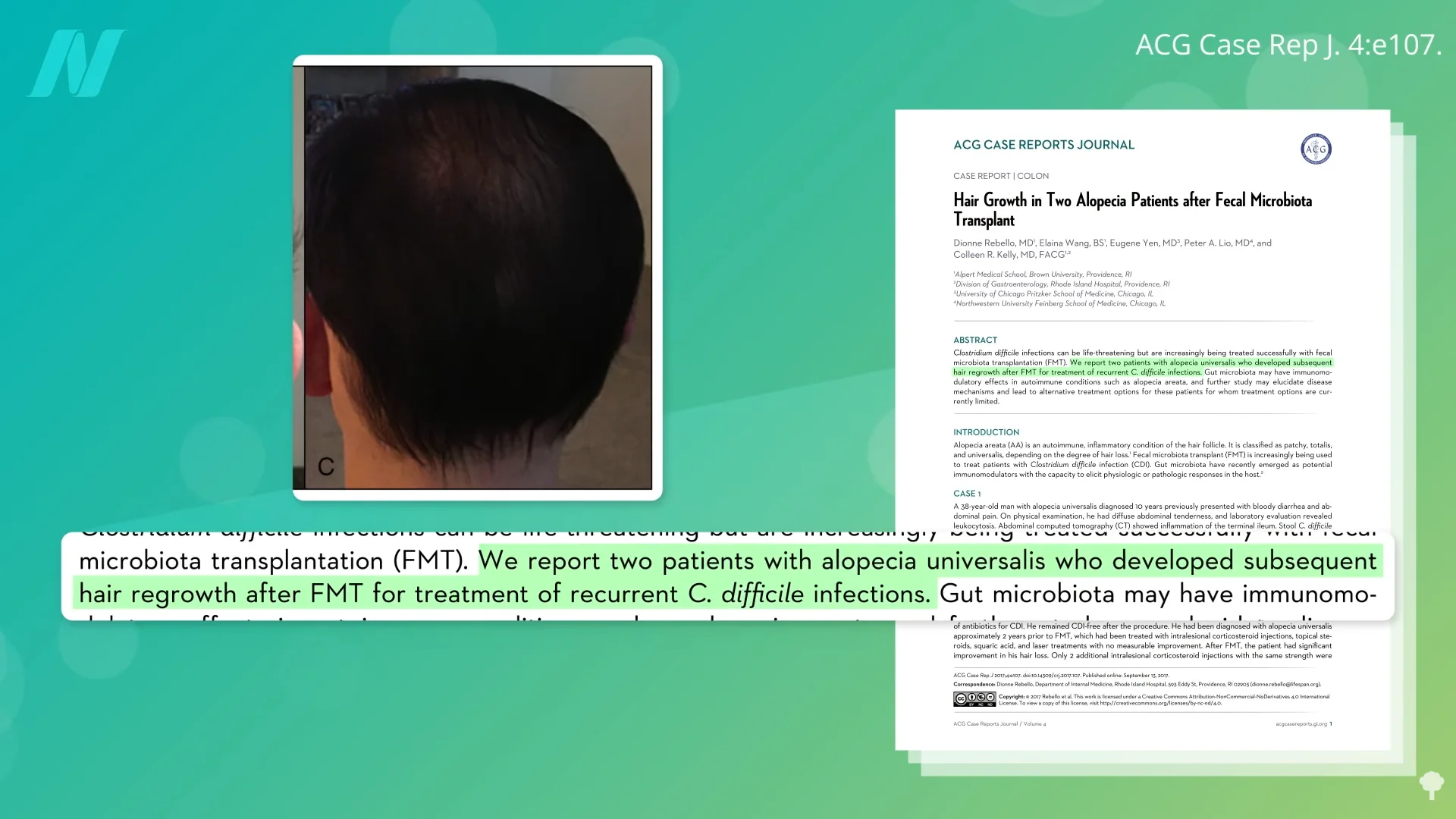
Intriguingly, research involving fecal transplants presents a fascinating link between gut health and hair loss. Various studies have indicated that gut microbiota can substantially influence many aspects of health, from digestion to immunity. In these studies, subjects treated with a microbiome transfer exhibited remarkable hair regrowth, sometimes restoring full hair coverage after previously being completely bald. This suggests that maintaining a healthy gut microbiome can be crucial for overall well-being, and potentially hair health. The connection between gut and hair health underscores an evolving paradigm in medical research, where systemic connections are increasingly acknowledged.
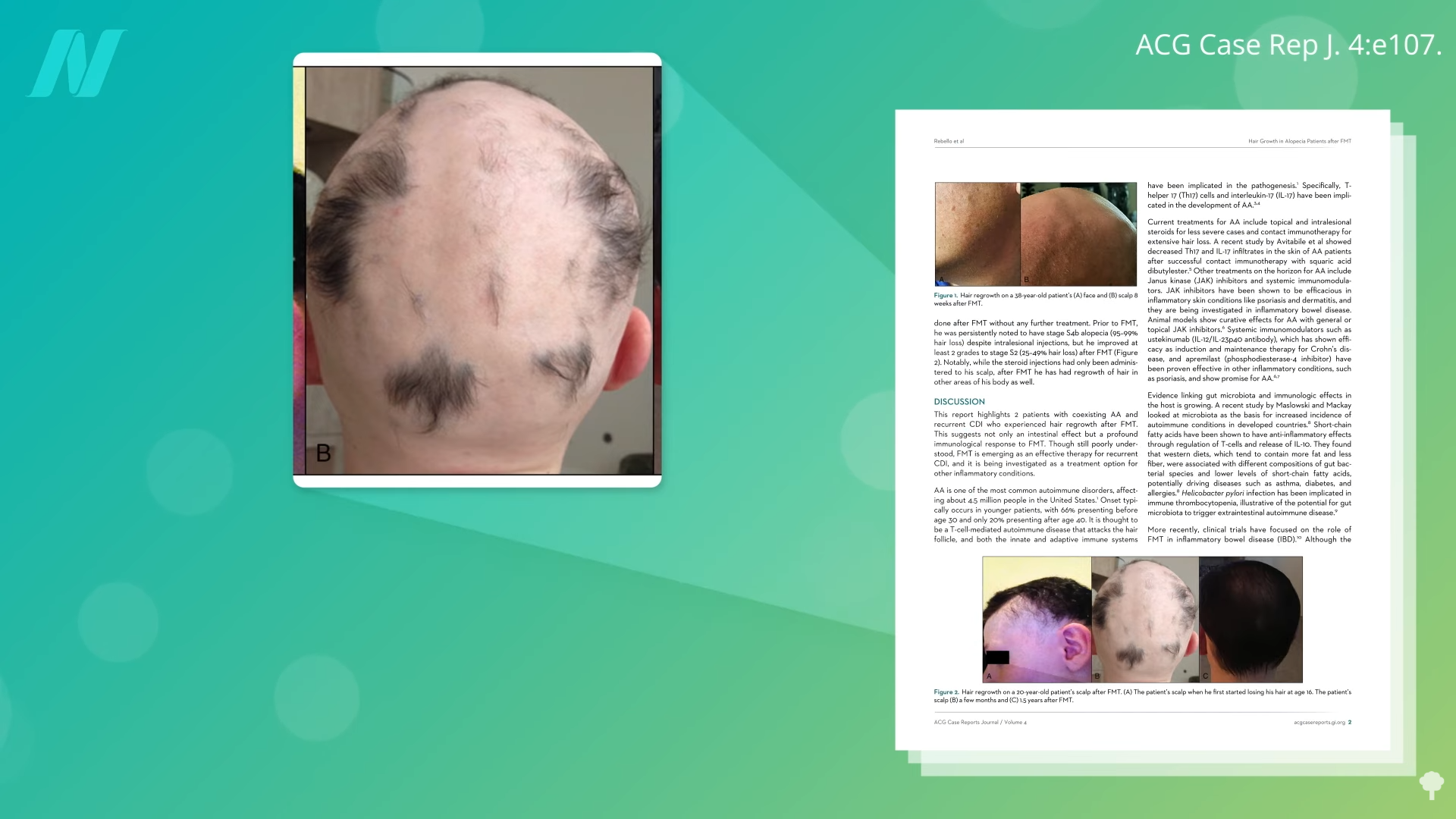
One year post-transplant, subjects showed substantial hair regrowth, highlighting the significance of gut health in not just digestion, but also in preventing hair loss. It's a reminder that our bodies operate not as isolated systems but as interlinked networks, where one aspect can deeply influence another.
Dietary Impacts on Hair Loss
Studies indicate a correlation between dietary habits and hair loss. Unhealthy patterns—like poor sleep, high consumption of meat and processed foods—lead to an increased risk of baldness. Research consistently finds that diets lacking in essential nutrients tend to correspond with poorer hair health. On the other hand, diets rich in raw vegetables and fresh herbs appear protective. This isn’t just about quantity but quality of nutrients consumed. Interestingly, regular consumption of soy milk was associated with a notable reduction in the likelihood of severe hair loss, hinting at the potential benefits of plant-based diets. More broadly, it raises questions about how our diet shapes physical changes we often take for granted.
Clinical Research on Food and Hair Growth
In an effort to scientifically validate dietary claims, one randomized, double-blind, placebo-controlled study examined the effects of compounds found in hot peppers and soy. Participants consuming capsaicin—a compound found abundantly in hot peppers—and isoflavones from soy showed significant improvement in hair growth compared to those in the placebo group. The clinical rigor of this study adds weight to claims that food can influence hair health.
Research participants took around 6 milligrams of capsaicin daily, easily obtainable from a small quantity of jalapeño pepper, alongside 75 milligrams of isoflavones, which could come from a moderate serving of tempeh or soybeans. However, caution is advised regarding roasting these items due to potential adverse effects from high-temperature cooking. Cooking could alter nutrient composition, diminishing these compounds' effectiveness.
Pumpkin Seed Oil: A Promising Option
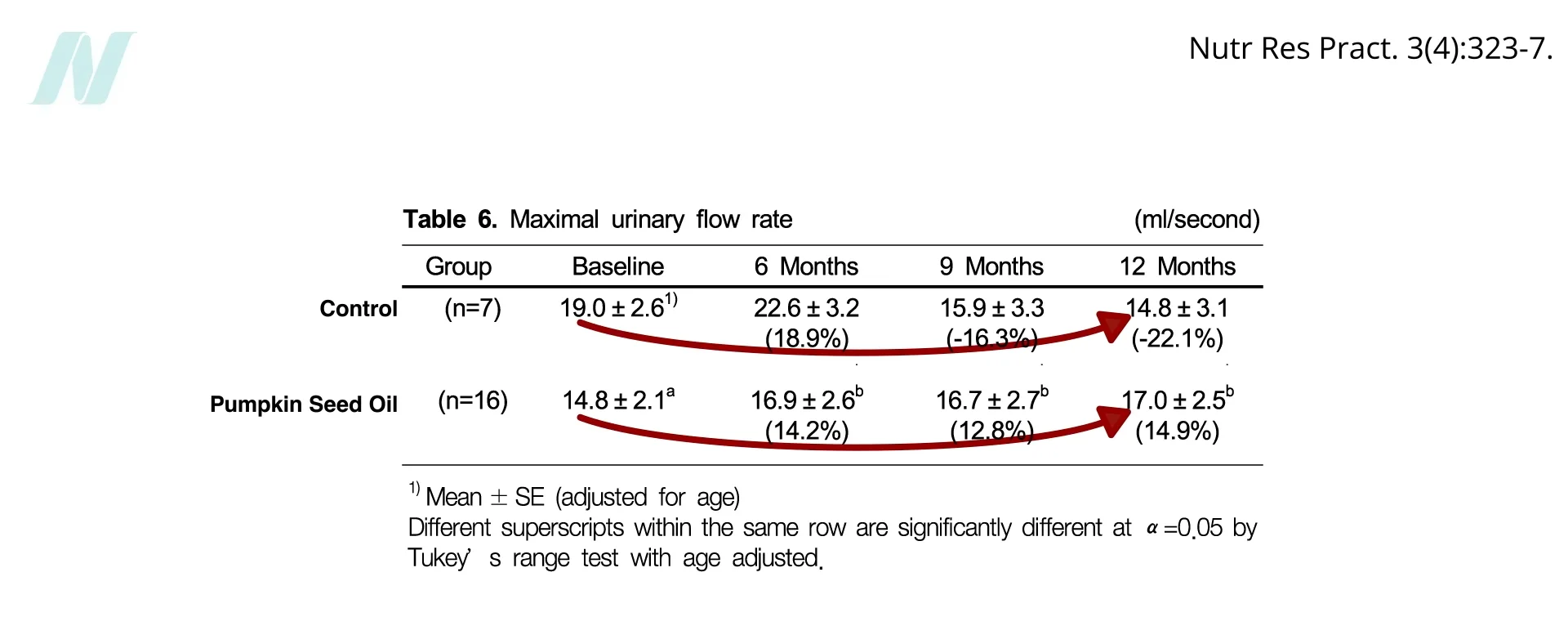
Pumpkin seed oil garners significant interest due to early findings suggesting its benefits for urinary flow in men with benign prostatic hyperplasia. This led to speculation about its potential effects on hair loss, as similar anti-androgenic properties might be involved. Anti-androgens work on the principle of blocking hormones that contribute to hair loss; pumpkin seed oil appears to share this mechanism.
A study involving 76 men suffering from male pattern baldness evaluated the impact of daily intake of pumpkin seed oil. Results showed that those consuming pumpkin seed oil experienced a noticeable increase in hair count after 24 weeks, a stark contrast to a minimal increase in the placebo group. The appetite for natural remedies and nutritional supplements fuels interest in alternatives to traditional pharmaceuticals.
Study Findings: Efficacy and Safety
The findings paint a clear picture: 95% of participants taking pumpkin seed oil saw no deterioration in their hair count, and there were no significant sexual side effects observed. This is particularly important for users concerned about the typical side effects associated with many hair loss treatments. The promise of a treatment that does not compromise quality of life or introduce new issues is a key consideration for consumers, making these findings more appealing.
Implications and Future Outlook
As the dialogue around nutrition and hair health continues to gain traction, these insights contribute to a wider understanding of treatment possibilities. The significance of what we eat seems to carry more weight than previously realized, opening doors to dietary interventions as potential adjuncts to conventional therapies. What this means for you is that adopting a diet rich in specific foods may not just enhance well-being but also work towards mitigating hair loss.
For those interested in integrating these findings into their lifestyle, Dr. Greger’s Daily Dozen Checklist includes pumpkin seeds as part of a healthy dietary routine. Engaging with this information can empower individuals with actionable strategies to approach hair health from a multifaceted angle.


Discussion
Sign in to join the discussion.