A 104-week trial found similar weight loss with diet drinks and water, while sugar intake fell slightly more among participants choosing diet beverages.
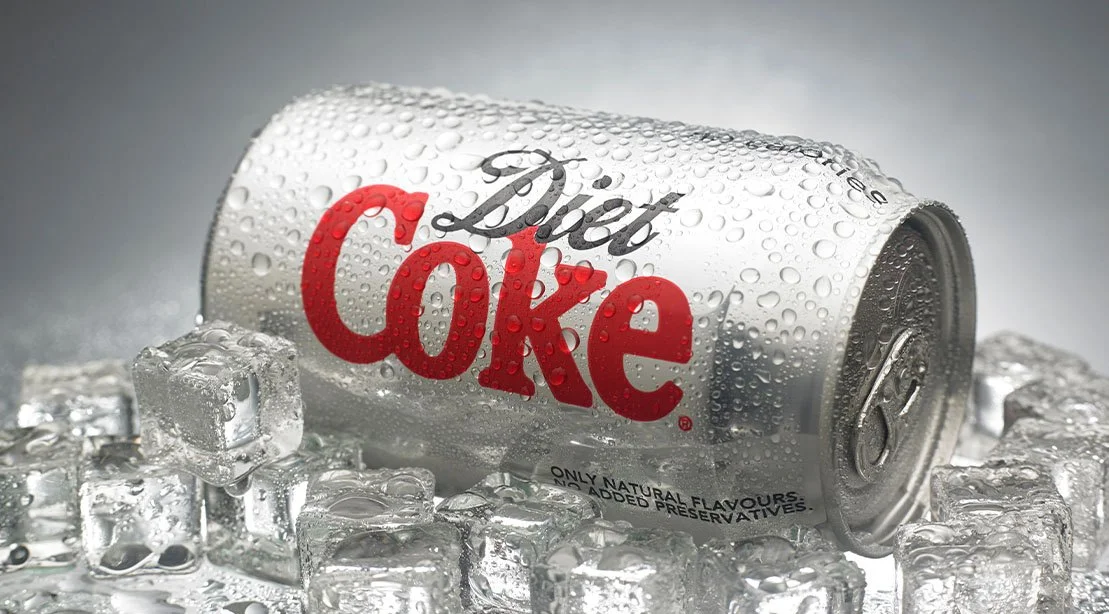
A two-year randomized trial from the University of Liverpool found no meaningful difference in weight loss between adults who drank low-calorie sweetened beverages and those who drank water. The result challenges the idea that diet drinks necessarily hinder weight management by increasing appetite or sugar cravings. It doesn’t show that sweetened drinks are better for weight loss, or that they work for everyone; it suggests they didn’t prevent weight loss in the conditions researchers studied.
What the trial compared
Published in the British Journal of Nutrition, the 104-week study enrolled 493 adults with overweight or obesity in a structured weight management program. Participants were assigned either to drink water or to choose from 20 commercially available beverages sweetened with ingredients including aspartame, sucralose and acesulfame. Each beverage contained less than 2.1 calories per 100 milliliters. That range of products makes the comparison more relevant to the choices people encounter in shops than a trial of a single formula would be, though it doesn’t tell us whether one sweetener or product performed differently from another.
People in the sweetened-drink group could also drink water, but were asked to have at least two 330-milliliter servings of a diet beverage each day. Neither group was barred from sugary drinks; both received coaching to cut back on them. The study therefore compared two drink strategies within an organized program, not a strict switch in which every other part of participants’ diets was held constant. That distinction matters: coaching and the broader weight management plan were part of the setting in which the drinks were tested.
Random assignment helps researchers compare groups while limiting the influence of participants’ starting preferences or circumstances. But it can’t make a structured program identical to everyday life. People choosing drinks on their own may have different routines, and the study’s results don’t establish how they’d respond without coaching or the expectation to drink a specified amount.
Weight outcomes were similar
After two years, the difference in weight loss between the groups was not statistically significant. Participants in both groups maintained weight reductions, reduced their waist measurements and improved body composition. In practical terms, the trial didn’t find that choosing the sweetened beverages undermined progress compared with water. It also didn’t establish an advantage for those beverages.
“No statistically significant difference” is a careful finding, not proof that the two approaches are identical for every person. It means the observed difference wasn’t strong enough, in this study, to support a clear conclusion that one group lost more weight than the other. Individual preferences and responses can vary; the central result is about the average comparison between these groups over the trial period.
Sugar intake fell slightly more in the group drinking non-nutritive sweetened beverages. That finding runs against the concern that sweeteners inevitably prompt greater sugar consumption, though the study doesn’t establish that diet drinks themselves caused the difference. The word “inevitably” is doing real work here: the result pushes back on a universal claim, but it doesn’t settle every question about appetite, cravings or what people eat and drink over time.
The numbers here are underwhelming if you’re looking for a clear weight-loss edge from diet beverages. Their relevance is narrower, and arguably more useful: under the trial’s conditions, they didn’t appear to erase the benefits of the weight management program.
What the findings add
The trial extends a 2023 report that also found no evidence that diet beverages stalled weight loss. Its longer follow-up offers useful evidence for a debate shaped by concerns that sweeteners may affect appetite. The broader dietary question matters because sugar-sweetened drinks can contribute substantial sugar and calories and are associated with a higher risk of type 2 diabetes. That context helps explain why researchers compare alternatives, but it doesn’t mean this trial tested diabetes outcomes or measured the long-term health effects of each sweetener.
“This study provides the long-term clinical evidence that has been missing from international discussions,” said lead author Professor John Halford. Professor Harrold said the results did not support concerns that sweeteners disrupt appetite or cause weight gain when tested in a long-term randomized trial. Those comments frame the study as evidence in a continuing discussion; the findings still need to be read within the limits of its participants, program and comparison.
One point can get lost in arguments about whether sweeteners are “good” or “bad”: the trial wasn’t a general verdict on diet drinks. It examined weight outcomes among adults with overweight or obesity who took part in a structured program. It doesn’t answer whether these beverages affect every person’s appetite, whether a particular product is preferable, or how people would fare if they made the same choice without support.
What the results mean for everyday choices
For weight management, the practical takeaway is measured: in this program, choosing low-calorie sweetened drinks instead of water did not reduce weight loss over two years. If you’re working on reducing sugary drinks, this gives some evidence that a low-calorie alternative can fit into a coached weight management plan. Water remains the comparison the researchers used, and the study doesn’t show that anyone needs to drink diet beverages to lose weight.
Here’s the thing: a result showing no meaningful difference can still be useful. People often face choices between water and a drink that tastes sweet, and the concern that the latter must sabotage weight management is stronger than what this trial supports. That said, participants were encouraged to cut back on sugary drinks, and they received coaching. Those conditions are part of the result, not background details to ignore.
Whether the same pattern holds outside a structured program remains an open question. The study offers a longer-term comparison than short observations can provide, but it can’t settle how behavior changes in settings with different habits or support. And this is the part most people overlook: a beverage choice is only one part of a weight management plan.
For now, the evidence points to flexibility within the program studied. Not a prescription.


Discussion
Sign in to join the discussion.