A closer look at how certain legumes can inhibit cancer spread by targeting matrix metalloproteinases (MMPs) and their potential health benefits.
Research continues to unveil the potential of legumes in the fight against cancer, particularly their ability to hinder matrix metalloproteinases (MMPs) that facilitate the metastatic process. While billions are spent annually on advanced chemotherapy treatments, the prevalence of cancer is expected to rise significantly in the coming decades, leading experts to emphasize the critical role of dietary interventions in prevention.
Evidence strongly supports that bioactive compounds found in whole plant-based foods demonstrate promising anticancer and chemopreventive properties. It's clear that a diet low in animal products and high in plant foods is beneficial. Notable foods with proven advantages include a range of fruits (especially berries), vegetables (with a focus on leafy greens), legumes (like beans, split peas, chickpeas, and lentils), nuts and seeds (flaxseeds in particular), garlic, onions, mushrooms, and spices such as turmeric, along with beverages like green tea.
Chemotherapy often leaves much to be desired, as it may not prolong survival and can significantly hinder quality of life. The concern is that individuals may invest heavily in pharmaceutical solutions that ultimately fail to provide meaningful benefits. A shift towards demanding therapeutics that yield clinical importance could lead pharmaceutical companies to redirect efforts toward addressing critical cancer processes, especially the mechanisms behind metastasis, which accounts for the majority of cancer-related fatalities.
Natural Alternatives to Cancer Treatments
The natural bioactive compounds found in plants have shown the ability to disrupt various stages of the invasion-metastasis cascade in laboratory studies. Numerous dietary sources of these antimetastatic phytochemicals have been identified, including legumes. Research highlights that certain legumes possess special proteins that can diminish MMP activity, with varying efficacy among different types.
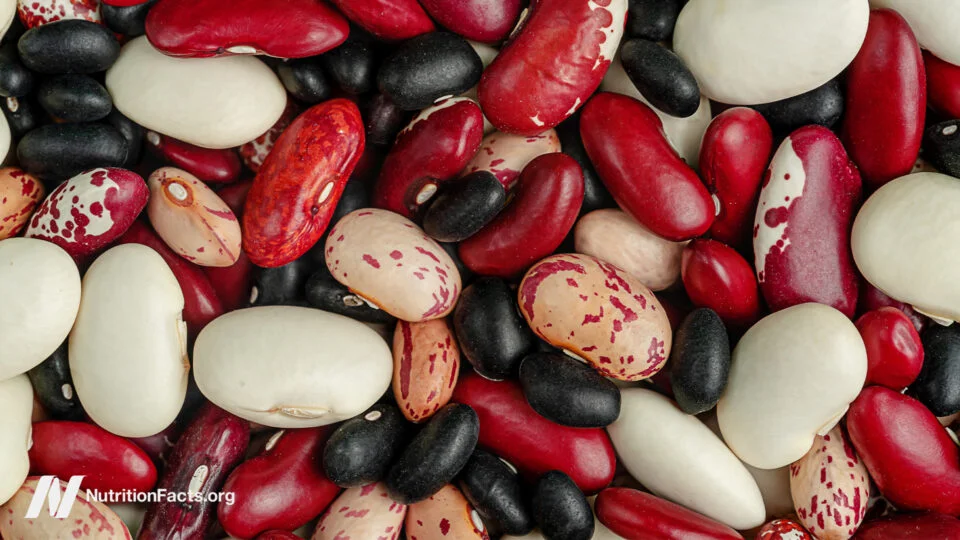
In a comparative study of eight different legumes, including lupin beans, chickpeas, and various types of beans, results revealed that while the matrix metalloproteinase activity soared without any legume proteins, those from black-eyed peas, lentils, and common beans reduced enzyme activity by more than 50%. Remarkably, lupin beans, chickpeas, and soybeans achieved reductions exceeding 90%. This remarkable efficacy urges a consideration of legumes as serious dietary allies in cancer prevention.
Impact on Cancer Cell Behavior
Tests involving human colon cancer cells demonstrated that the inclusion of proteins from these legumes could significantly impair the ability of cancer cells to proliferate. After creating a gap in a petri dish filled with cancer cells, those treated with legume proteins showed difficulty in closing the gap due to inhibited movement, suggesting a tangible effect on cancer cell dynamics.
The implications of these findings indicate that even cooked beans might retain their protective qualities. Evidence suggests that matrix metalloproteinase inhibitors in soybeans remain active post-cooking, potentially preserving their anticancer benefits.
Dietary Patterns and Cancer Risk
Regular consumption of legumes could correlate with a decreased risk of colorectal cancer. This connection is especially intriguing, considering that colorectal cancer originates in the lining of the colon, where legume proteins can directly impact affected cells. Vegetarian diets, often rich in plant foods, show lower levels of MMPs, which is linked both to reduced inflammation and a lesser incidence of cancer. This pattern aligns with findings among non-smokers having lower MMP levels as well.
Interestingly, MMPs are not solely markers of cancer; they may also play a role in autoimmune diseases and cardiovascular conditions. The activity of MMPs can exacerbate inflammatory pathways, which further emphasizes the need for a preventive dietary approach. Those embracing a plant-based diet not only tend to enjoy lower risks of heart disease but also remarkable reductions in cancer incidence, particularly in those adhering to strictly vegetarian or vegan diets.
Doctor’s Note
The significance of nutrition in combating cancer's tenets is further illustrated in my video, “Fighting the Ten Hallmarks of Cancer with Diet.” For more insights into cancer metastasis, feel free to explore the related posts offered.



Discussion
Sign in to join the discussion.