After placing fifth in 2026, Terrence Ruffin says he’ll cut back on travel and gym responsibilities while targeting gains in both size and conditioning.

A title goal built around focus
Terrence Ruffin sees focus as a key part of his 2027 Olympia challenge. After finishing fifth in 2026, he says he needs to improve both his physique and the way he manages his time if he wants to contend for the title. That diagnosis reaches beyond the usual talk of adding muscle or sharpening conditioning: Ruffin is also pointing to the demands competing for his attention outside the gym.
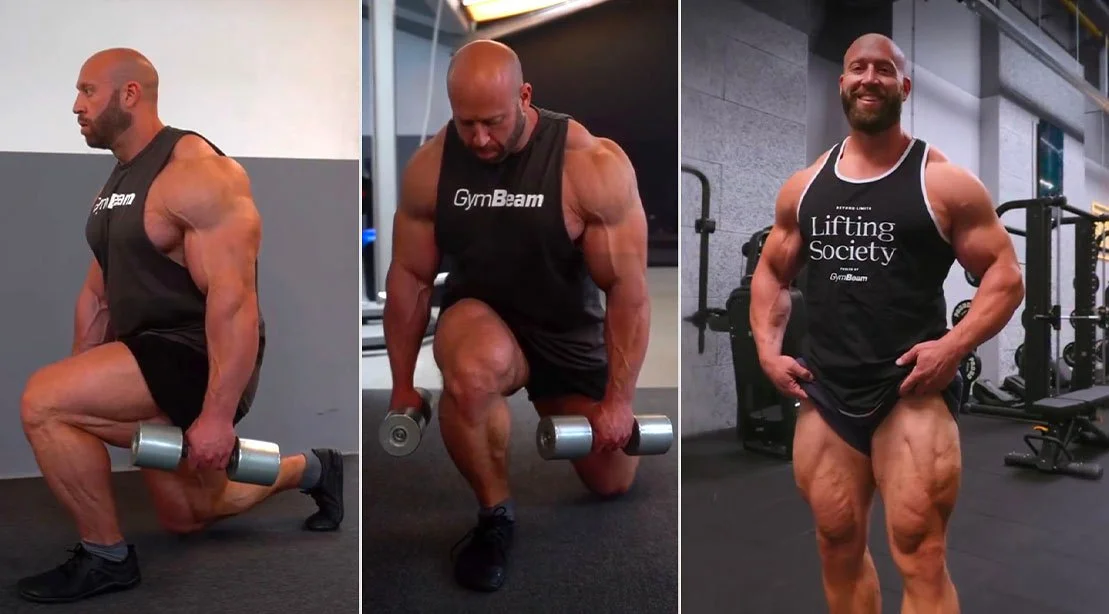
Ruffin, known as “Ruff Diesel,” discussed his plans on Episode 310 of The Menace Podcast with host Dennis James and guests Milos Sarcev and Chris Cormier. Asked whether he still believes he can win the Olympia, Ruffin answered, “100%.” He said the possibility still excites him despite his years on the stage. That confidence matters, but confidence alone doesn't explain how he plans to bridge the gap from fifth place to a title challenge.
Here's the thing: an elite contest campaign depends on repeated decisions over months, not a single burst of motivation. Training, recovery, travel and work commitments all compete for time. Ruffin's comments suggest he's treating that competition for attention as part of the preparation itself.
Making room for preparation
Ruffin described a pattern of taking on too much, from frequent travel to business commitments. He plans to decline more events and reduce trips so training and contest preparation get more of his attention. The adjustment sounds simple, yet it asks him to put limits on opportunities that may otherwise seem worthwhile in isolation. A crowded schedule can make every individual commitment feel manageable while leaving too little uninterrupted time for the work that matters most.
One immediate change involves the gym he is opening. James pointed out that Ruffin is preparing for the Olympia while launching the business. Ruffin said he intended to discuss handing off some responsibilities, including day-to-day work, so he could focus on training. The distinction is practical: opening a gym creates ongoing tasks, and delegating them could reduce the number of decisions he has to handle personally.
“I’m just all in, on just the gym training, and all of that,” he said. The shift suggests his preparation plan extends beyond the gym: he wants fewer competing demands around it. But a stated intention to delegate still has to become a workable arrangement. If you're working in this space, the useful question is whether those changes hold when business needs and preparation collide.
Physique goals: size and conditioning
Ruffin has reached the Olympia final nine times, with second-place finishes in 2020 and 2021. He placed ninth in 2016 and 2018, and qualified for his tenth appearance after winning the Mexico and Slovakia Pro events in October. Those results put the fifth-place finish in context: he has spent years among the leading competitors, with past evidence that he can reach the runner-up position. They don't, by themselves, show what changes will be enough to move him higher.
His next target is to make the gains that could close the gap. Sarcev asked whether Ruffin’s physique needed more conditioning or size. “Both,” Ruffin replied. That answer makes the 2027 task clear: improve on both fronts while protecting the time and attention required to deliver that progress. It's a demanding combination, because any change in one area has to work alongside the other parts of his presentation.
The numbers here are underwhelming only if fifth place is read without context. Ruffin's history shows consistency near the top, but the goal he's describing requires a material step forward. A broad ambition needs to become specific preparation decisions, and his comments identify two priorities: physique development and a schedule that gives the work room.
What the plan will test
Ruffin’s stated confidence is firm, but his plan hinges on follow-through. Reducing travel and delegating gym duties could give his Olympia preparation a more consistent focus as he pursues a return to the runner-up spots and a shot at the title. The changes may also reveal whether time management has been a meaningful constraint or simply one challenge among several.
This is more significant than it looks. For a competitor balancing a major personal goal with a new business, discipline includes deciding what not to take on, then trusting other people with responsibilities. And yet, neither fewer trips nor a lighter workload guarantees the physical improvements he says he needs. The outcome will depend on how well the schedule changes support the actual training and contest preparation.
For now, Ruffin has set out a clear direction rather than a detailed forecast. He wants to improve both size and conditioning, reduce distractions and keep the title goal alive. A focused plan. Whether it proves enough will become clearer as he turns those intentions into consistent preparation.

Discussion
Sign in to join the discussion.