A draft HHS policy could let qualifying compounders supply six experimental peptides under safeguards, while leaving clinical uncertainty and sports bans intact.

The proposed federal approach to six experimental peptides could make them easier to obtain through licensed compounders. It won’t establish that they work, and it won’t clear tested athletes to use them. Those are three separate questions, even as public debate tends to collapse them into one.
On Oct. 30, the Department of Health and Human Services (HHS) published a draft interim policy covering BPC-157, TB-500, KPV, MOTS-c, epitalon, and Semax. It would use enforcement discretion while regulators consider whether these substances belong on the list of ingredients that licensed pharmacies and physicians may use in compounding. Under specified conditions, HHS says it does not intend to pursue enforcement against qualifying compounders. That is a limited enforcement position, not approval of six drugs.
Access through compounding has limits
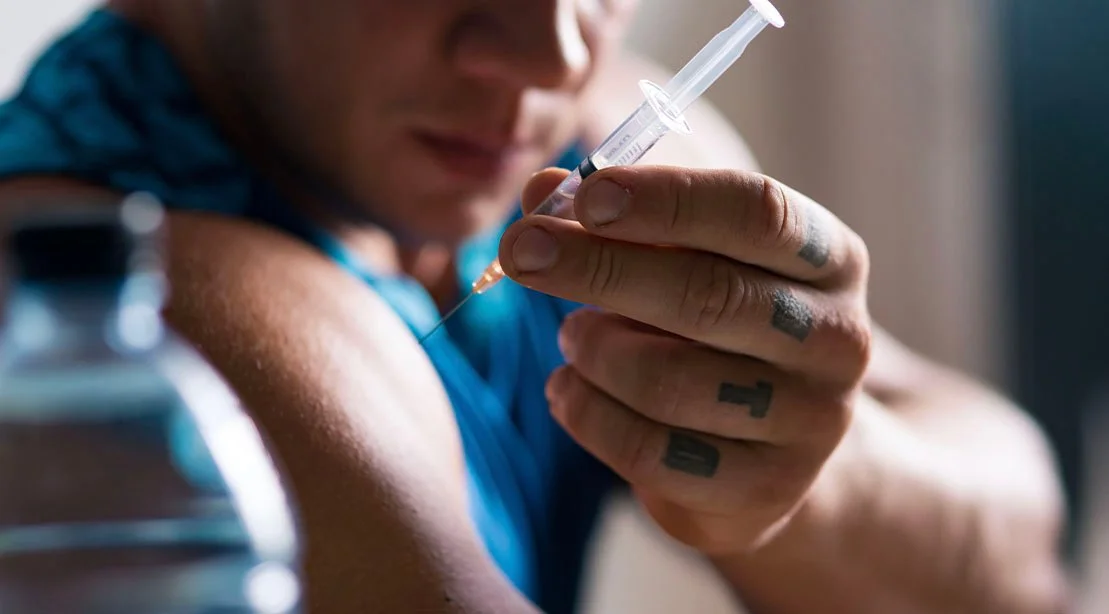
Compounding means a licensed professional prepares medication for an individual patient instead of dispensing a mass-produced, approved product. The draft calls for patient-specific prescriptions, traceable ingredients, quality records, and reporting of serious adverse events. Those requirements could give patients more visibility into how a product is prepared than they’d get from an anonymous online seller.
That may be a practical response to existing demand. People are already seeking these peptides, and a more controlled supply chain could reduce some risks tied to unregulated products. But manufacturing controls can’t answer the central medical question: whether a peptide is safe and effective for a particular use.
Claims for BPC-157 and TB-500 often extend far beyond what the available human evidence can support. BPC-157 is promoted for a wide range of injuries and ailments; TB-500 is often associated with tendon repair. FDA scientists have raised concerns about the lack of convincing clinical data and potential safety problems. A cleaner product may address quality concerns, but it doesn’t fill those gaps in evidence.
An advisory committee supported broader compounding access for the six substances, despite those concerns. That disagreement is a reason to examine the evidence carefully, not a verdict that the compounds work. Testimonials from athletes and gym users can generate interest, but they don’t establish clinical benefit. The harder the claims run ahead of the data, the more important it is to distinguish enthusiasm from evidence.
Sports bans remain a separate issue
The draft does not authorize supplement makers to add these compounds to pre-workout products, nor does it declare them safe or effective. It is open for public comment, can be revisited if safety or quality problems emerge, and sits alongside state-level rules. Describing the substances as “FDA approved” would misstate what the draft does.
Competitive athletes face a different set of rules. BPC-157 and TB-500 remain prohibited under World Anti-Doping Agency (WADA) rules used by many tested sports. A federal policy on compounding does not change those rules, and a prescription does not automatically make an athlete eligible to compete with a substance in their system.
The U.S. Anti-Doping Agency (USADA) has sanctioned athletes over these compounds. Detection presents another complication: some banned peptides can be identified directly in urine or blood, while others are harder to detect analytically. WADA can prohibit a substance without a routine test being available. That makes enforcement challenging, but it doesn’t turn a ban into permission.
The evidence will decide what access means
If the HHS policy leads to better manufacturing controls and useful clinical research, patients and clinicians could gain clearer information. If access expands without stronger evidence, a regulated supply may look more reassuring than it deserves. The distinction is simple but consequential: making a substance easier to obtain doesn’t show that it’s worth taking.
For athletes, the decision carries an added consequence: a substance may be available through a licensed compounder and still threaten eligibility in a tested sport. The policy’s significance will depend on whether it supports better evidence and quality oversight, while the anti-doping rules continue to shape the risks of use in competition.


Discussion
Sign in to join the discussion.