Bumps in the nose can stem from various causes, including infections or trauma. Identifying the issue and appropriate treatment is essential.
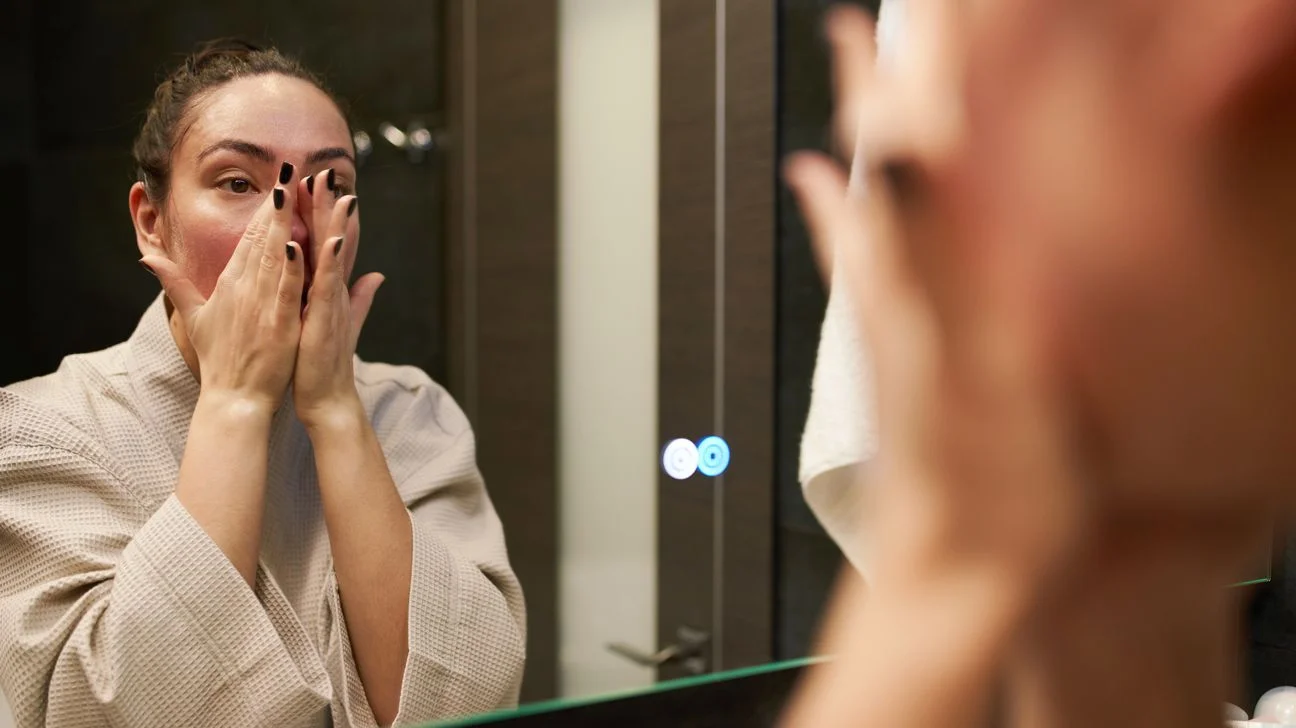
Bumps inside the nose can be more than just minor annoyances; they can signal various underlying issues, ranging from harmless irritations to conditions requiring medical intervention. If you're dealing with a bothersome bump, it's worth understanding the possible causes and appropriate treatments to alleviate discomfort and promote healing.
Common Causes of Nose Bumps
Several factors can lead to the formation of bumps inside your nose. Here’s a breakdown of the most frequently encountered issues:
Nasal Vestibulitis
This condition refers to the inflammation of the nasal vestibule, typically resulting from bacterial infections. Symptoms usually include painful red bumps within the nostrils, often triggered by activities like frequent nose-picking, excessive nose-blowing, or even plucking nose hairs.
Pimples
Just like facial acne, the delicate pores inside your nose may become clogged with oils, dirt, and bacteria, resulting in painful pimples. Their location makes these bumps particularly uncomfortable.
Nasal Polyps
These are non-cancerous growths that can emerge in the nasal passages due to chronic inflammation, allergies, or infections. Although typically painless, larger polyps may obstruct airflow, affecting your ability to breathe comfortably and diminishing your sense of smell.
Ingrown Hairs
When nose hairs are trimmed or plucked, they can occasionally grow back into the skin, leading to ingrown hairs. If infected, these may manifest as painful bumps within the nostrils.
Trauma
Injuries to the nose, whether from external blows or aggressive nose-picking, can cause swelling or bruising, resulting in bumps that form as the tissue heals.
Cysts
Fluid-filled sacs known as cysts can form in the nasal area; while usually harmless, they can become uncomfortable.
Cartilage Issues
Bumps might also arise from problems with the cartilage structure inside the nose, such as a deviated septum or cartilage overgrowth.
Fibrous Papules
These small, benign growths are often mistaken for pimples but are essentially fibrous tissue that can form either on or inside the nose.
Key Symptoms to Monitor
If you're uncertain whether a bump inside your nose warrants concern, keep an eye out for these symptoms:
- Pain or tenderness: Especially noticeable when touching or blowing your nose.
- Redness or swelling: Observed in the area surrounding the bump.
- Discharge: Any signs of pus or blood should be carefully monitored.
- Difficulty breathing: A large bump may obstruct airflow through the nasal passages.
- Persistence: Bumps that do not resolve within a week should be evaluated by a healthcare professional.
Effective Treatments for Nose Bumps
Addressing nose bumps effectively hinges on identifying their underlying cause, but several general measures can help alleviate discomfort:
- Warm Compresses: Applying heat can help reduce swelling and promote drainage for conditions like pimples or infections.
- Saline Rinses: Utilize saline sprays or a Neti pot to maintain cleanliness in your nasal passages.
- Avoiding Nose-Picking: This action not only irritates the sensitive tissue but also increases the risk of infections.
- Moisturizing: To prevent dryness and cracking, particularly in winter, use a nose-safe moisturizer.
- Leave Ingrown Hairs Alone: Allow them time to heal naturally, consulting a doctor if infection occurs.
If nasal polyps are present, a healthcare provider may recommend steroid sprays for shrinking these growths and alleviating inflammation.
In cases of bacterial infections, topical antibiotics like mupirocin may be prescribed to target the infection directly within the nostril.
When to Consult a Healthcare Professional
Although most bumps inside the nose aren't problematic, certain indicators necessitate a doctor's visit:
- Recurring bumps: Persistent or frequently returning bumps should be investigated.
- Intense Pain: Pain that does not subside with at-home treatments suggests a need for professional evaluation.
- Breathing Difficulties: If a bump obstructs breathing, seek medical attention.
- Discharge: Any signs of pus or blood from the bump is a clear warning sign.
The Bottom Line
While bumps in the nose can be irritating, understanding their potential causes can help guide effective treatment. From simple home care measures to the need for professional help, being proactive about nasal health is essential for maintaining comfort.



Discussion
Sign in to join the discussion.