Many hair growth supplements tout benefits, but research shows their efficacy is limited to specific deficiencies.
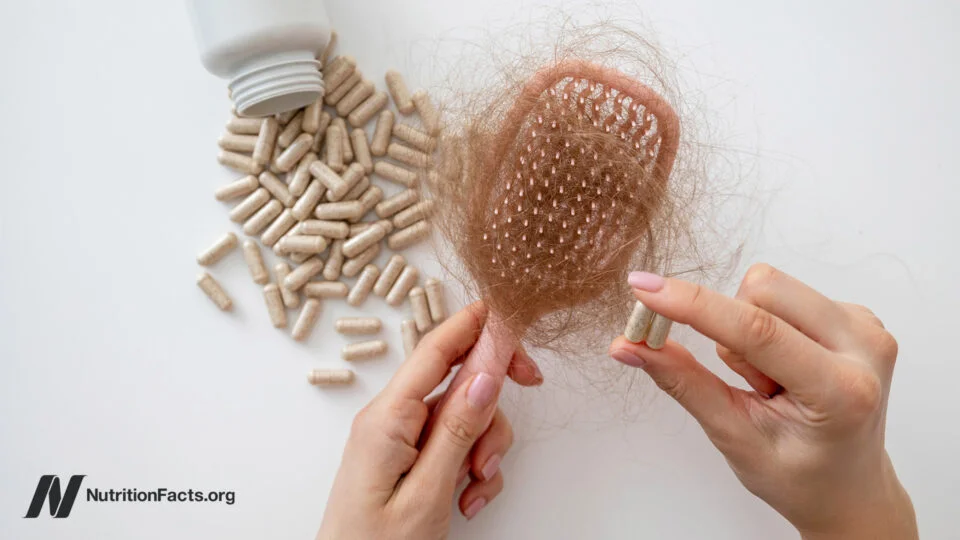
The search for solutions to hair loss often leads individuals to consider supplements, particularly biotin and zinc. While the market is flooded with products promising to enhance hair growth, understanding what science says about these claims is essential. Many consumers face a barrage of advertisements that suggest quick fixes to a problem that is often complex and deeply rooted in genetic and environmental factors.
Hair Loss: A Genetic Predicament
By age 50, roughly half of all individuals, regardless of gender, will confront some degree of hair loss. Contrary to popular belief, this isn’t caused by excessive washing or brushing; instead, it’s primarily genetic. Research indicates that genetics accounts for about 80% of the differences in male baldness, with the heritability rate among men estimated at 79%. This genetic predisposition encompasses factors like increased stress or lifestyle choices, which can still impact hair health even among identical twins. For many people, hair loss isn’t just a personal concern but a familial pattern that intertwines with their identity. The emotional weight of this reality cannot be overstated, particularly for those who attach significance to their appearance.
The Influence of Lifestyle Factors
Take the case of identical twins, where one may experience more hair loss due to lifestyle factors like smoking or high stress. Studies found that smoking contributes to both male and female pattern baldness. The harmful compounds in cigarettes can damage DNA in hair follicles, while environmental toxins—such as mercury—which can build up significantly in hair, also pose risks. An illustrative example includes a woman with hair loss linked to high mercury levels from tuna consumption. This illustrates the point that dietary choices can directly influence hair health. (And this is the part most people overlook.) Lifestyle modifications, such as diet changes and stress management, often go ignored in favor of quick-fix supplements that may offer little to no actual help.
Nutrient Deficiencies and Hair Loss
The relationship between nutrient deficiencies and hair loss is complex but critical to grasp. For instance, after bariatric surgery, patients frequently experience hair loss due to malabsorption, which is not typical for the general population. Research does not support the need for vitamin or mineral supplementation in individuals who aren’t deficient, making the blanket promotion of supplements misleading. While scurvy— a severe deficiency of vitamin C—can cause hair loss, there’s no solid evidence suggesting that ensuring sufficient vitamin C intake correlates with preventing hair loss. If you're working in this space, you should recognize the nuances that influence hair health rather than succumbing to oversimplified narratives that support supplement use without substantial evidence.
The Role of Biotin and Zinc
Biotin is a common ingredient touted for its hair growth properties, yet the scientific backing is weak. Biotin deficiency does lead to hair loss, but such deficiencies are rare in individuals consuming a typical diet. Similarly, while zinc is crucial for various bodily functions, its supplementation does not aid those who maintain normal levels. Excessive alcohol consumption can indeed create a risk for deficiencies, but for most people, additional zinc can lead to adverse effects without offering benefits for hair growth. It’s troubling that these largely ineffective supplements continue to carry a perception of effectiveness, reinforcing the need for more education around proper nutritional needs.
The Dangers of Unregulated Supplements
One of the key concerns in the supplement industry is the glaring lack of regulatory oversight. High levels of biotin in dietary supplements—sometimes up to 650 times the recommended daily intake—can interfere with essential lab tests related to thyroid function and other health indicators. Furthermore, there have been instances where consumers suffered from severe toxicity due to mislabeling, such as selenium supplements containing doses 200 times higher than advertised. This presents a significant risk for the average consumer, who might assume that “natural” equates to safe. It’s alarming how easily misinformation circulates in a market where users are seeking solutions to personal issues.
Looking Ahead
Understanding the intersection of hair health, lifestyle factors, and supplementation is crucial in navigating hair loss solutions. Consumers need to approach hair growth supplements with skepticism, recognizing that they may not be effective unless an underlying deficiency exists. This insight should inform decision-making around dietary choices and supplement use. The implications here extend beyond personal choice; they touch on broader public health concerns, particularly as misinformation can lead to increased spending on ineffective products.
Implications for Consumers and Future Outlook
This conversation about hair loss and supplements is more significant than it looks. As consumer awareness grows, so does scrutiny of the claims made by supplement manufacturers. Expect future regulatory discussions aimed at increasing transparency in the supplement industry, which could shape how products are marketed and sold. We might also see more research into how lifestyle changes can complement or offer alternatives to supplementation. The focus will ideally shift from a “quick-fix” mentality towards comprehensive health strategies that include diet, environment, and genetics.
This article is the first installment in a three-part series on hair loss. For further insights, look out for the next installments focusing on the benefits and risks associated with hair loss medications and dietary strategies for promoting hair growth.
For additional guidance on managing mercury exposure, consider exploring dietary solutions to lower heavy metal levels.



Discussion
Sign in to join the discussion.