Research reveals the significant health benefits of plant protein over animal protein, emphasizing quality over mere quantity in dietary choices.
The ongoing discourse in nutrition emphasizes the importance of protein quality, rather than merely its quantity. In a 2019 paper, Dr. David Katz and his colleagues, including noted researcher David Jenkins, argued for a revision of how we define protein quality. Current definitions seem to prioritize biochemical factors over their broader health implications, promoting a skewed narrative that favors animal protein while neglecting the benefits of plant sources. This focus implies that simply counting grams of protein is insufficient; instead, understanding the source and composition of that protein plays a critical role in shaping health outcomes.
The Proteins We Eat: A Closer Look
Despite persistent issues with protein malnutrition in certain regions, the concept of a protein deficit rarely applies to developed nations. Here, the predominant nutritional concerns pivot around chronic diseases rather than protein scarcity. The oversimplified notion that “more protein is better,” particularly from animal sources like meat, eggs, and dairy, stands in stark contrast to healthier dietary guidelines, which encourage an increase in plant-based foods. This duality in dietary needs signals a critical point of divergence in global nutrition approaches, highlighting how protein's role varies globally and the necessity for tailored solutions.
Research Insights on Protein Sources
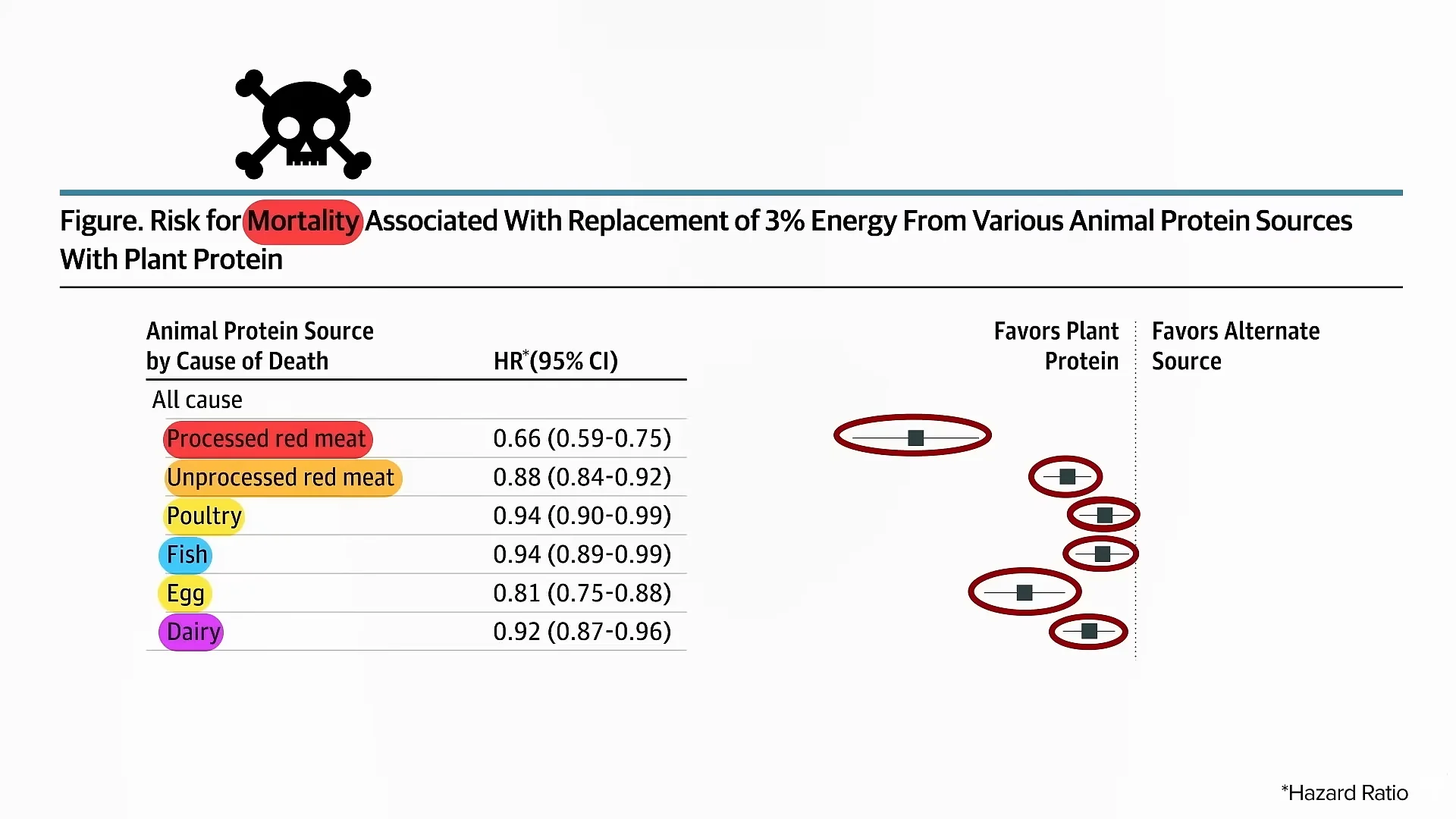
A pivotal study from 2016 by researchers at Harvard involved over 100,000 individuals and uncovered a compelling correlation: substituting animal protein with plant protein was linked to a reduced risk of premature mortality. Processed meats, especially bacon, and egg protein were identified as notable dietary risks. Remarkably, even a modest 3% increase in plant protein consumption in lieu of animal protein correlated with a substantial decline in mortality rates. Such findings suggest that a shift in dietary focus could have profound implications not only for individual health but also public health at large.
Health Differences Between Protein Types
But what distinguishes plant protein from animal protein in terms of health? Research indicates that plant protein typically lacks branched-chain amino acids (BCAAs), which, when consumed in excess, can negatively affect metabolic health. Increasing evidence suggests a connection between high intake of animal protein and elevated levels of IGF-1, a growth hormone linked to several chronic diseases, including type 2 diabetes and heart disease. Furthermore, animal products may harbor pollutants like dioxins and PCBs, which can accumulate through the food chain, presenting additional health risks. This situation creates a complex interplay where consumption choices impact not just nutritional intake but also long-term health outcomes.
Validation from Large-Scale Studies
For those skeptical of studies with tens of thousands of participants, the NIH-AARP Diet and Health Study offers strong validation. With nearly 400,000 subjects, researchers established that replacing just 3% of animal protein with plant protein could lower overall mortality by 10%. The health implications were even more pronounced with the exclusion of eggs, which have been associated with cardiovascular issues. The sheer scale of these findings lends credibility to the argument for revising dietary guidelines to prioritize plant-based proteins.
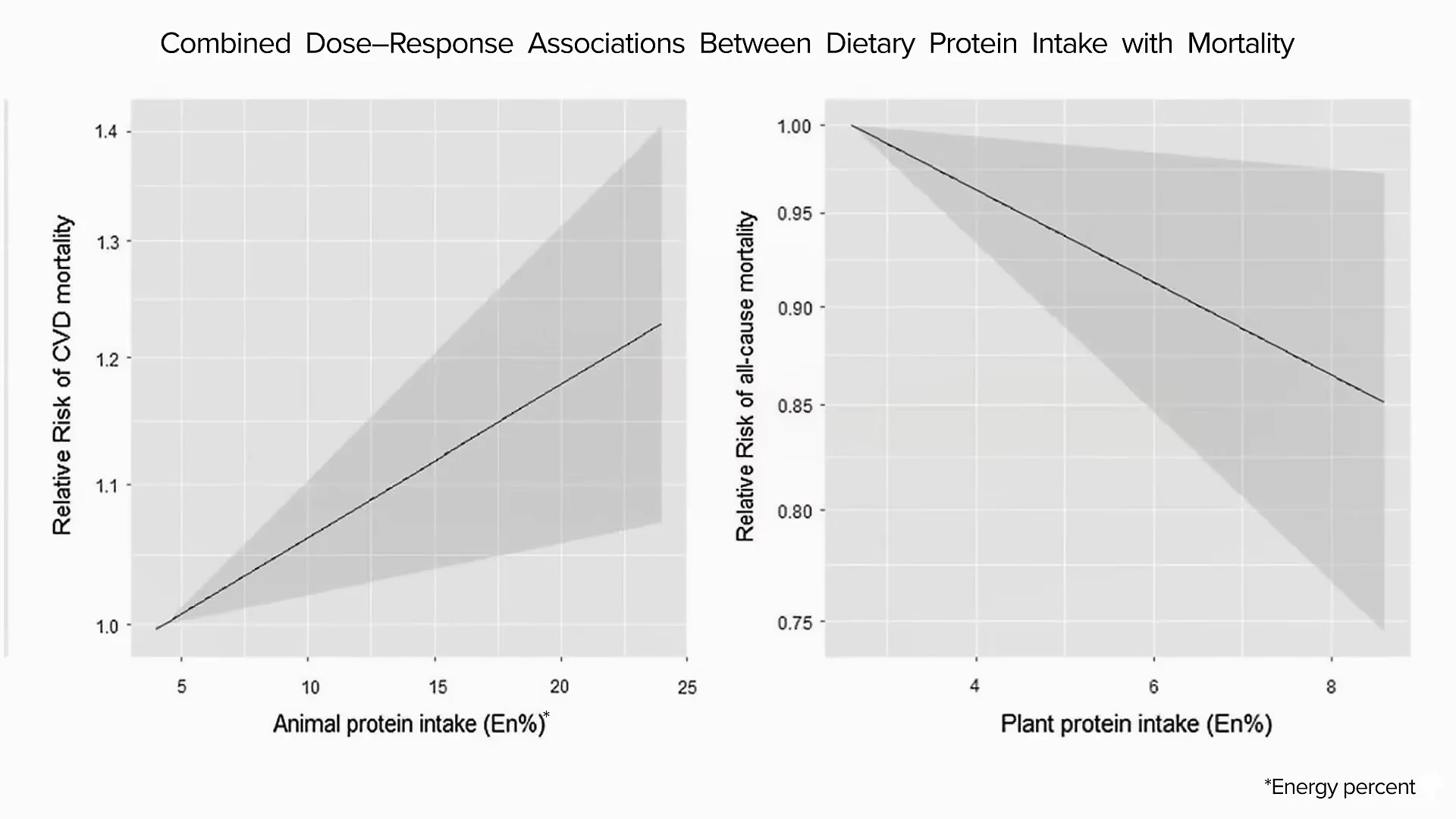
Compiling findings across various studies indicates that higher protein intake is generally correlated with shorter life spans, particularly when derived from animal sources. Conversely, increased consumption of plant protein shows a reverse relationship with mortality, suggesting that while animal protein may contribute to higher mortality rates, plant protein is associated with prolonged life. It challenges the long-held belief that protein, irrespective of source, is inherently beneficial.
Recommendations for Dietary Shifts
The most prudent approach appears to be enhancing plant protein intake as a substitute for animal protein. This aligns with findings from another meta-analysis, which advocates for increased plant protein consumption as a means to potentially mitigate mortality risk. What this means for you is that adjusting your diet to include more legumes, nuts, seeds, and whole grains could be an effective strategy for improving health outcomes.
Broader Implications for Health
Research into calorie restriction suggests that lowering animal protein intake may convey significant health benefits. The implications of reducing animal protein aren’t just academic; they could inform public health policies and personal dietary choices alike. For example, a shift towards plant-based proteins may alleviate some of the major health issues facing populations in developed countries, like heart disease and diabetes.
Additional information can be found in my video on Caloric Restriction vs. Animal Protein Restriction. On the topic of BCAAs, you can check out my thoughts in this video: Are BCAA (Branched Chain Amino Acids) Healthy?.
And what about plant-based proteins? The myth of protein combining, such as the need to consume rice and beans together, is debunked in The Protein Combining Myth. Lastly, for those curious about protein needs and whether vegetarians get enough protein, I recommend watching Do Vegetarians Get Enough Protein?.
In the realm of food alternatives, I explore plant-based meats in this piece: Are Beyond Meat and the Impossible Burger Healthy?.


Discussion
Sign in to join the discussion.