Most U.S. adults exceed sodium recommendations while drastically under-consuming potassium, creating significant health risks.
A staggering indication of dietary health in the United States shows that 99.99% of adults do not meet the minimum recommended potassium intake. Ironically, most individuals also exceed the sodium intake limits, consuming levels that can be up to four times higher than what was natural for our ancestors.
Globally, the lack of physical activity is a well-documented contributor to health decline, accounting for over 10 million years of lost healthy life. However, it's our dietary choices that have a far greater impact, reducing disability-free years of life by hundreds of millions annually due to unhealthy eating habits.
When we examine the most hazardous dietary errors, research indicates that not consuming enough whole grains, fruits, nuts, seeds, and vegetables is responsible for four out of the five leading nutritional risks. Yet the most critical issue lies in excessive salt consumption, which poses a risk approximately 15 times more severe than high soda intake.
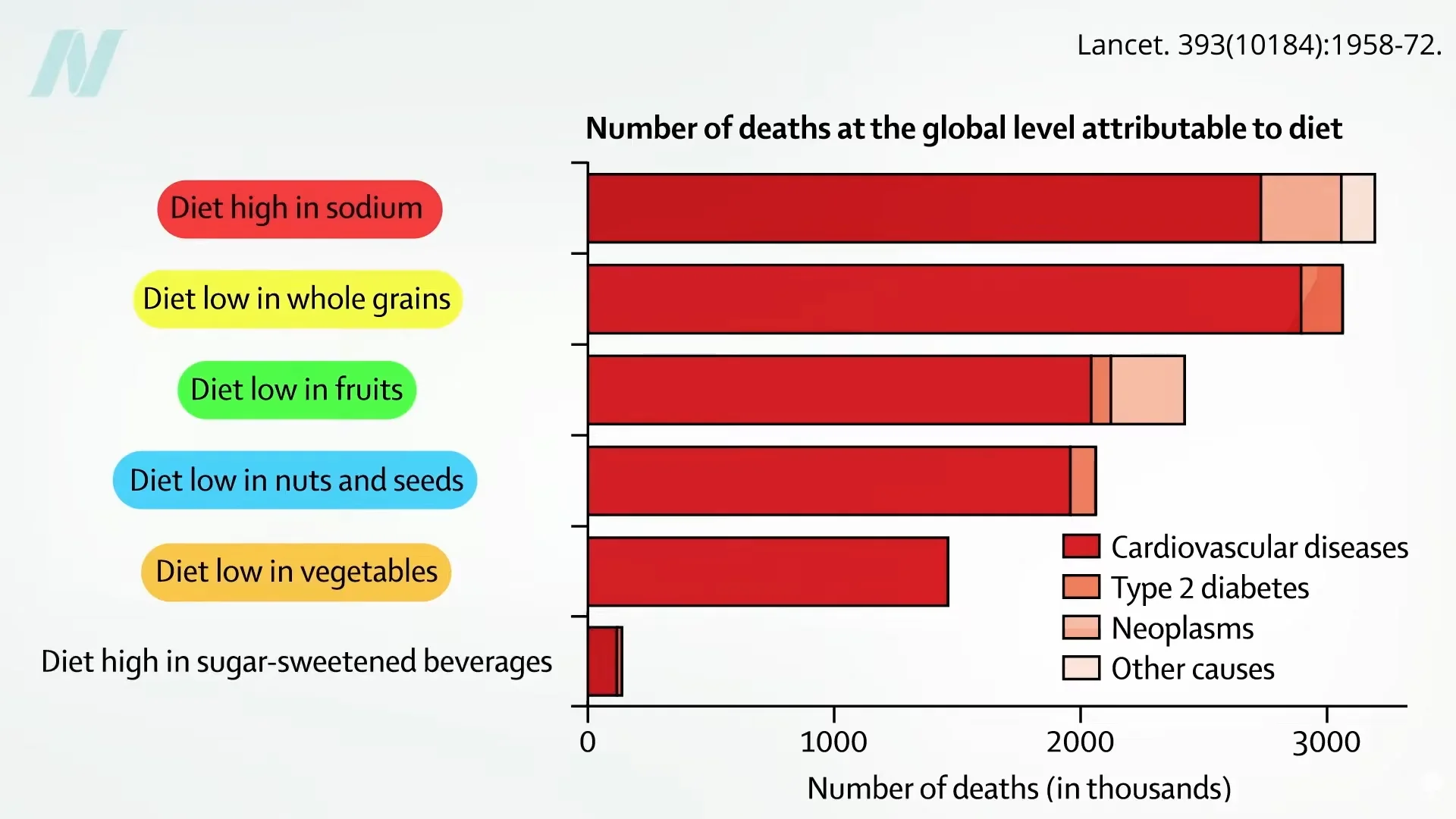
A former commissioner of the U.S. Food and Drug Administration stated unequivocally, "There remains no single more effective public health action related to nutrition than the reduction of sodium in the diet." This highlights the urgency expressed by health organizations that advocate for clearer labeling on salt packets, warning consumers of the serious health risks related to excessive sodium intake, including high blood pressure, stroke, and heart disease.
Moreover, studies indicate that high sodium intake is linked to increased inflammation in the body, exacerbating conditions like multiple sclerosis (MS). Patients with higher sodium diets see a notable increase in the frequency of MS flare-ups, suggesting a direct correlation between diet and the severity of autoimmune diseases.
High sodium levels are prevalent in processed foods, making it challenging to distinguish whether the increase in sodium consumption is indicative of poor overall dietary habits. However, the evidence is clear: numerous randomized controlled trials have shown that reducing sodium intake effectively lowers blood pressure, and the more substantial the reduction, the greater the decrease in health risks. Emerging research even hints at how excessive salt might damage beneficial gut bacteria.
As it stands, our bodies have evolved to manage only around 750 mg of sodium daily. Current American recommendations suggest a maximum intake of 1,500 mg, whereas the average person consumes more than double that—an escalating problem seen over the past decade. Shockingly, nearly 98.8% of Americans exceed the recommended upper limit for sodium.
In contrast, potassium, known for its blood pressure-lowering benefits, is sorely lacking in most Americans' diets. Less than 2% of U.S. adults meet daily potassium recommendations, indicating that over 98% are effectively potassium-deficient. This stark deficiency becomes even more disturbing when compared to the diets of our ancestors, who likely consumed as much as 10,000 mg of potassium a day compared to today's fraction of that amount. Ideally, guidelines suggest we aim for at least half of our ancestors' intake, yet the majority of the population falls woefully short.
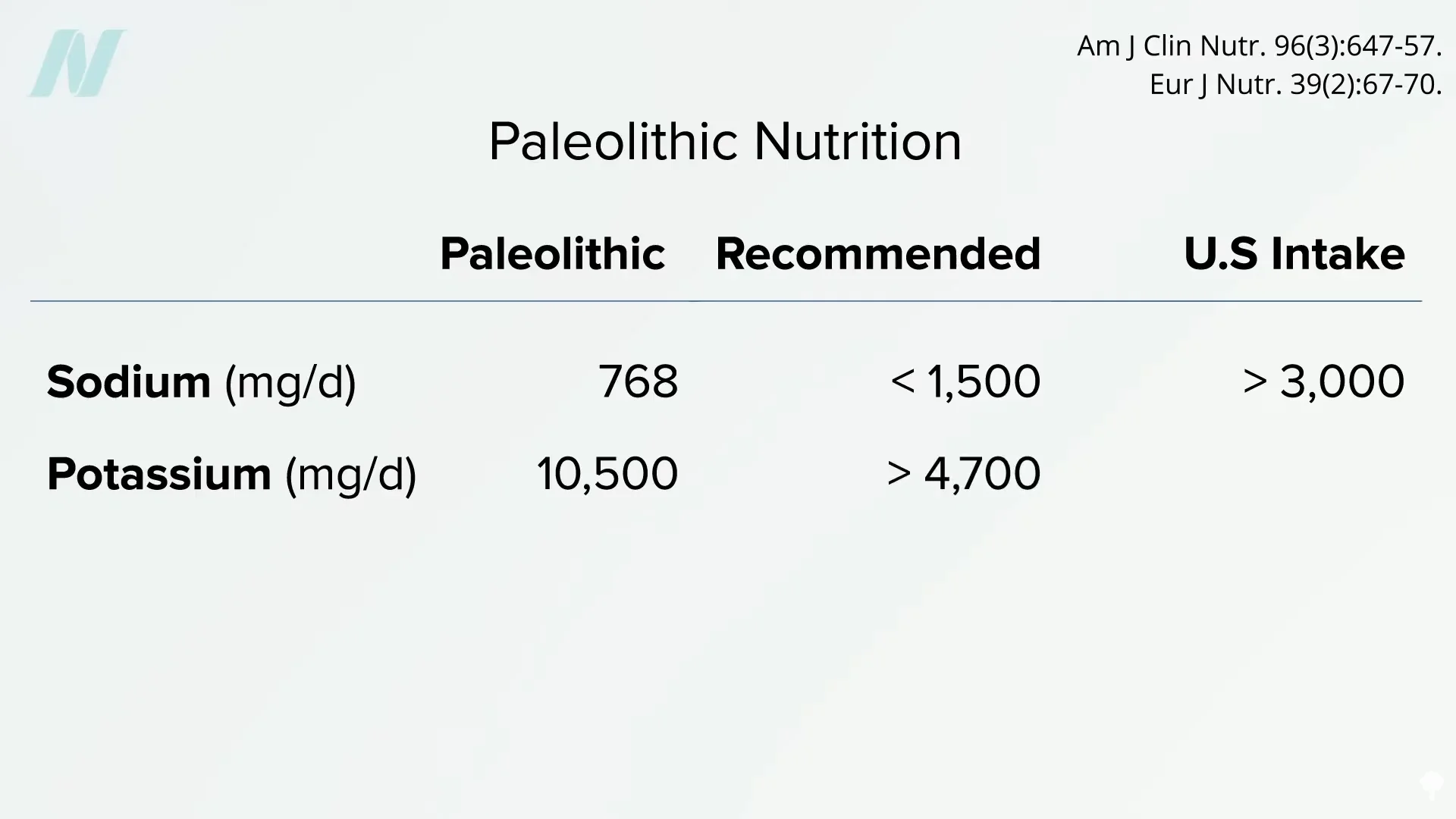
Combining these instructive guidelines reveals that fewer than 0.015% of the population balances sodium and potassium intake appropriately. This statistic translates to an alarming 99.99% failing to comply with health recommendations—meaning only 1 in 6,000 Americans is successfully meeting both nutritional needs.
As a potential solution, the use of potassium-based salt substitutes has garnered attention. These substitutes, such as potassium chloride, promise the same taste as traditional salt while effectively decreasing sodium consumption and boosting potassium intake. Questions remain regarding their safety and efficacy, prompting further investigation into these alternatives.
Doctor’s Note
This article serves as an introduction to a broader discussion on sodium, potassium, and potential salt substitutes. Be on the lookout for further insights into the practical benefits and safety of potassium chloride substitutes.
For those who maintain that salt isn't a health risk, it's essential to scrutinize those claims. Relevant discussions appear in linked articles below.



Discussion
Sign in to join the discussion.