Research shows that cranberries and pumpkin seeds may alleviate symptoms of benign prostatic hypertrophy (BPH) without the side effects of medication.
Benign prostatic hypertrophy (BPH), commonly referred to as an enlarged prostate, affects over half of men in their 50s and 70% of those over 60. This condition leads to frustrating urinary symptoms, including frequent night-time trips to the bathroom. While existing medical treatments can help, they often come with side effects that deter adherence, making it essential to explore alternative remedies. As more men seek solutions that minimize reliance on pharmaceutical medications, the investigation of dietary and natural options becomes increasingly pertinent. Exploring these alternatives not only opens a pathway to fewer side effects but could also promote a holistic approach to prostate health.
The Dietary Approach: Fruits and Vegetables
Population studies hint at dietary patterns that may play a protective role against BPH. A higher intake of fruits and vegetables, coupled with lower consumption of certain animal proteins, appears to correlate with reduced risks. Interestingly, eggs and poultry are often singled out as the culprits, yet red meat and dairy show no direct link to BPH issues. This suggests that the relationship between diet and prostate health isn’t straightforward and requires further investigation. Despite these insights, there’s a distinct lack of foods that have undergone rigorous testing for their effects on prostate health.
Furthermore, this ambiguity means that many men are left to navigate their dietary choices without firm guidance. Implementing more plant-based foods, such as fruits and vegetables, may not only support prostate health but also contribute to overall well-being. The fiber and antioxidants found in these foods could provide systemic benefits, promoting heart health and aiding in weight management—factors that also play into the broader picture of men's health as they age.
Cranberries: From Tradition to Trials
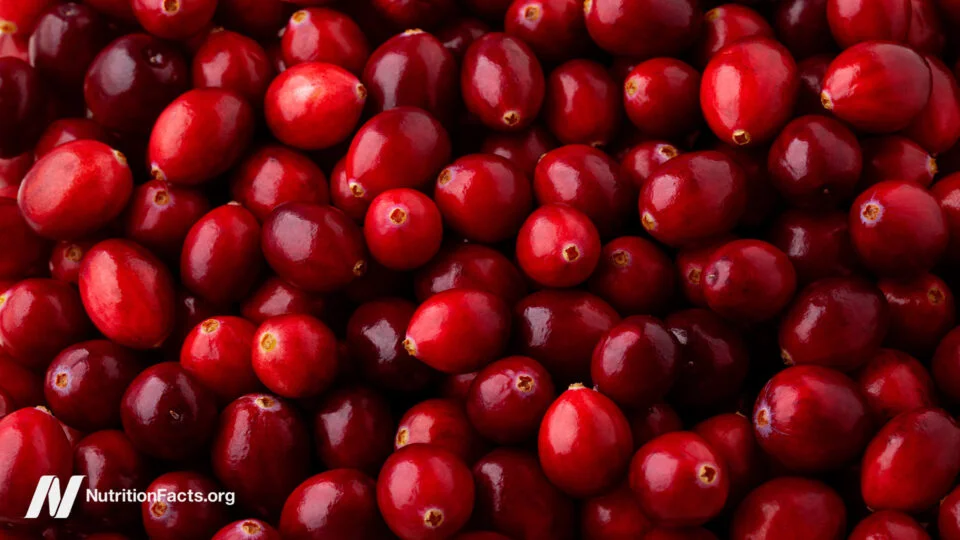
Cranberries hold a historical significance in the treatment of urinary ailments, particularly among Native American communities. These berries have been known for their potential to provide urinary tract protection and maintain urinary function. Clinical trials with powdered whole cranberries—specifically around a teaspoon daily—show promising outcomes for BPH symptoms, including improved quality of life and urinary function. Even smaller doses suffice, indicating the efficacy of cranberries in managing BPH without resorting to sugary or processed alternatives.
But there’s more to it. Beyond their historical use, cranberries are packed with bioactive compounds that may offer antioxidative effects, which can be pivotal in reducing inflammation—an often-overlooked factor in BPH. The simplicity of their incorporation into daily routines makes them an accessible option for many. This is especially relevant for men who are hesitant to adopt more invasive treatment paths or are concerned about the side effects associated with conventional medications.
Pumpkin Seeds: A Time-Honored Remedy
Folk medicine has long praised pumpkin seeds for their benefits concerning prostate health. Recent studies reveal that while pumpkin seed oil shows similar effects to pharmaceutical treatments like Prazosin, the whole seeds outperform supplements in actual patient studies. This distinction is critical; it highlights how whole foods can sometimes offer benefits that isolated compounds do not. One randomized trial demonstrated significant improvements in urinary symptoms when men consumed around a tablespoon of plain pumpkin seeds daily, despite the oil extract failing to show greater benefits over placebo.
The implications here are significant for anyone exploring natural alternatives to manage BPH. Rather than reaching for processed supplements, men might find greater relief—and potentially fewer side effects—by consuming whole foods that have stood the test of time in traditional remedies. This is a promising area for further exploration, particularly as awareness of the benefits of whole food consumption grows among health-conscious individuals.
Recommendations and Conclusions
Researchers advocate for including pumpkin seeds in the diets of men dealing with mild-to-moderate BPH symptoms. Their findings have been corroborated by respected health authorities, which propose pumpkin seeds as a viable option after ruling out serious conditions through medical consultation. The endorsement of pumpkin seeds, alongside cranberries and a diet rich in fruits and vegetables, points towards a shift in how we approach BPH management. It emphasizes the integration of nutrition into health strategies, steering men toward proactivity rather than reactivity in their healthcare.
If you're working in this space, remember that these dietary remedies aren’t a one-size-fits-all solution. Individual results will vary, and monitoring one’s own symptoms will be essential in determining the efficacy of these options. Think of this as a potential pathway to fewer medications and enhanced quality of life—you can take a more active role in managing your health.
Future Outlook: The Role of Dietary Interventions in BPH Management
The growing body of evidence supporting dietary interventions for managing BPH raises questions about our current healthcare approaches. With increasing numbers of men experiencing BPH symptoms, it’ll be essential for health professionals to consider these options alongside conventional treatments. Just as we see a shift toward preventive care in other areas of medicine, the lessons learned from these natural remedies might guide future practices. Furthermore, as consumer awareness and demand for natural treatments rise, you might see more research dedicated to exploring the interplay between diet and prostate health.
For more insight on natural treatments for BPH, check out related videos on flaxseeds and cranberries. These foods demonstrate the potential of dietary modifications to enhance prostate health and reduce dependence on medications.
Doctor’s Note
Interested in the connection between flaxseeds and prostate cancer? Watch Flaxseeds vs. Prostate Cancer.
Learn more about cranberries and their effects on cancer risk in this video: Cranberries vs. Cancer.
For further information regarding the efficacy of cranberry juice against bladder infections, watch Can Cranberry Juice Treat Bladder Infections?.


Discussion
Sign in to join the discussion.