Dennis James, Milos Sarcev and Jose Raymond argue that easier pro-card qualification may be thinning bodybuilding’s talent pool.
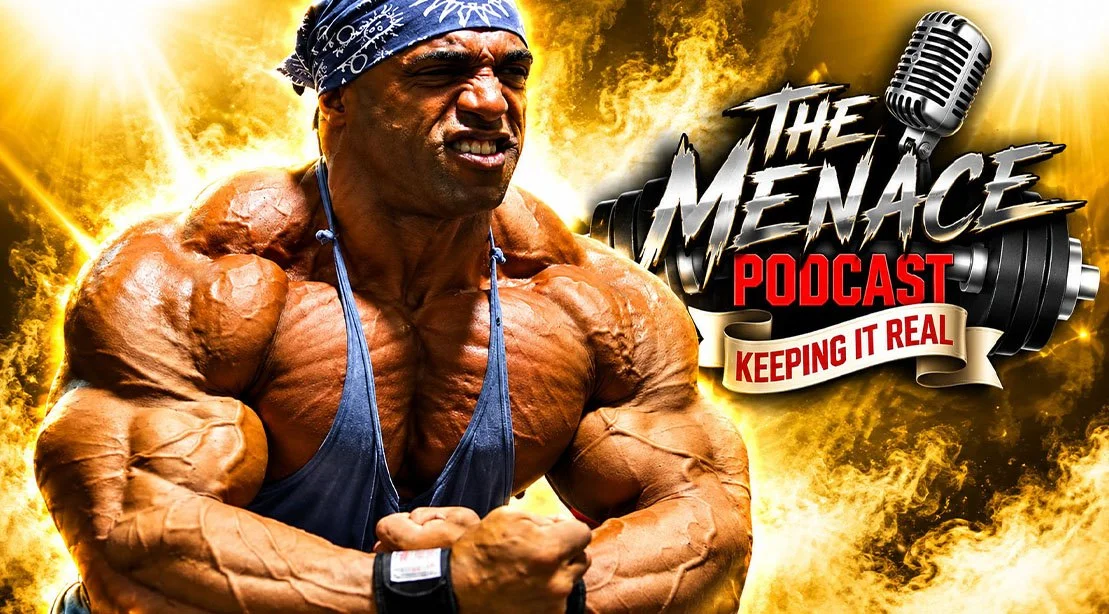
The debate over bodybuilding’s current talent pool begins with a pointed question: would today’s competitors have earned professional status in the 1990s? On Episode 307 of The Menace Podcast, host Dennis James and guests Milos Sarcev and Jose Raymond argued that many wouldn’t. Their case rests on a difference in how long athletes once spent trying to qualify, and on whether the physiques entering professional competition have had enough time to mature.
That’s a familiar tension in sports: wider access can bring more competitors into the top ranks, while veterans worry that the entry bar has fallen. But the panel’s claims are judgments, not a measured comparison of athletes from two eras. Bodybuilding also changes over time, so the standard for a professional card can’t be assessed by qualification rules alone; the expectations for a competitive physique and the depth of a field matter too.
What a longer route to a pro card can change
Raymond, a bodybuilder-turned-coach, said athletes once had to spend seven to ten years fighting for a pro card. He argued that this wait gave physiques time to develop before athletes reached the professional ranks. “If you have to fight for a pro card, for seven to ten years, by the time you get it you’ll be ready,” he said. “And the physique is going to be already matured and marinated.”
The point is about more than patience. In a sport judged on a physique built over time, additional seasons can give an athlete opportunities to add size, refine presentation, and learn what judges reward. Those gains aren’t automatic, and a long wait doesn’t guarantee a better competitor. Still, a qualification path that demands repeated success could filter out athletes whose development hasn’t caught up with their ambition.
Raymond sees a different pattern today: younger competitors earning pro status before their physiques are fully developed. “The physique isn’t ready,” he said, adding that most current athletes wouldn’t have won a pro card in 1989 or 1993. That’s a sweeping claim. The podcast discussion doesn’t compare judging records or lineups from those years with today’s fields, so the specific historical comparison remains the panel’s opinion.
The 1990s bar, then and now
James backed Raymond’s assessment, estimating that “90% of them, maybe even more than 90%,” of today’s bodybuilders wouldn’t qualify as pros in the ’90s. Raymond pointed to competitors earning cards for second place, calling that “crazy.” The sharpness of the estimate makes for compelling debate, but without a defined group of athletes or a shared measure of qualification, it shouldn’t be read as a statistical finding.
There’s a practical question underneath the criticism: what does a pro card certify? It marks an athlete’s qualification under the rules in place at the time. If those rules allow more routes into professional competition, a larger roster may follow, but the title alone says less about how a competitor would fare under a different era’s system. And this is the part most people overlook: access and competitive quality aren’t identical measures.
The panel also invoked Edgar Fletcher and Matt Mendenhall, respected bodybuilders who never turned pro. Raymond said Fletcher would win pro shows today; Sarcev agreed. Their examples underline the panel’s view that the past era’s qualification bar left accomplished athletes outside the professional ranks. They also show the limits of judging eras through remembered careers: an athlete’s reputation can support an argument, but it can’t settle how that person would place in a different field.
This is more significant than it looks, because qualification rules shape who gets to compete at the highest level and how audiences interpret a pro field. If you’re working in this space, the useful question isn’t simply whether there are more or fewer qualifiers; it’s whether the route into the sport rewards sustained development and produces contests that fans find credible. The numbers here are underwhelming as evidence for a historical verdict, even if the concern behind them deserves attention.
What stricter qualification might mean
James said more than 70 athletes have qualified for Olympia categories from a pool of around 500. Qualification is tightening in many divisions, where competitors must now win two shows. The panel’s argument is that a smaller flow of qualifiers could raise the standard, though the podcast discussion offers opinion rather than a direct comparison of competitors across eras.
A tougher route could make each qualification more meaningful, but it wouldn’t by itself guarantee more mature physiques. The result would depend on how athletes respond to the added hurdle, as well as how judges assess readiness and performance. Here’s the thing: changing the number of qualifying opportunities addresses access directly; whether it changes the look of the sport is a separate question.
That said, the panel has identified a real tradeoff. More opportunities can broaden the professional ranks, while stricter qualification may give athletes more time to develop before reaching the top stage. Neither outcome is automatically better for competitors or viewers. The evidence presented in the discussion supports a debate about standards, not a firm conclusion that one era’s athletes would outperform another’s.
The full conversation, which also covers bodybuilding news and results, is available on the Muscle & Fitness YouTube channel. The question it leaves hanging is whether stricter qualification can help produce physiques with the maturity Raymond says the sport once demanded. For now, the panel has made its case in memorable terms. The comparison remains open.


Discussion
Sign in to join the discussion.